Nestled in the heart of Lombardy lies a remarkable destination for epicurean travelers. This city offers a rich tapestry of flavors waiting to be explored. It is a place where deep-rooted gastronomic traditions create an unforgettable food experience.
The fertile Po Valley provides an abundance of ingredients that have shaped a unique culinary heritage. This guide is designed for discerning visitors seeking authentic cultural immersion. We will journey through signature dishes, celebrated wines, and the stories behind them.
Our exploration goes beyond a simple list of restaurants. It delves into the historical context and artisanal craftsmanship that define the local food scene. From rustic peasant recipes to refined creations, each meal tells a story of this region’s past and present.
Prepare to discover iconic specialties that have earned this area recognition as a European Region of Gastronomy. This is an invitation to connect with a living heritage through its most delicious expressions.
Key Takeaways
- This Lombardy city is a premier destination for travelers seeking an authentic Italian food experience beyond typical tourist spots.
- The local culinary heritage is deeply influenced by the agricultural wealth of the Po Valley.
- Understanding the cultural and historical context transforms a simple meal into a meaningful connection with the region.
- The area’s gastronomic offerings are as significant as its world-famous artistic contributions, like violin-making.
- This guide provides insider knowledge to help you appreciate the craftsmanship behind signature dishes and local wine.
- The city’s 2017 designation as a European Region of Gastronomy highlights its exceptional food culture.
Discovering Cremona Cuisine: A Journey Through History & Heritage
Rich agricultural traditions dating back to Roman times laid the foundation for a distinctive gastronomic heritage. The Po Valley’s fertile soil created ideal conditions for developing a food culture that has endured for centuries.
A Culinary Legacy Rooted in Tradition
Roman-era pig farming evolved into sophisticated salami production over time. This region’s access to diverse ingredients influenced recipe development significantly.
The local food heritage balances humble peasant dishes with elaborate aristocratic preparations. Recipes like Sbrisolona date back to before the 17th century, demonstrating remarkable continuity.
Cultural Influences from Lombardy
Lombardy’s emphasis on dairy production and rice cultivation shaped the area’s culinary identity. These influences created a culture that values both simplicity and sophistication.
The region’s 2017 designation as a European Region of Gastronomy acknowledges centuries of excellence. This recognition highlights how craftsmanship permeates all aspects of local life, from violin-making to food production.
Savoring Signature Dishes and Regional Flavors
Beyond the region’s famous artistic contributions lies a gastronomic landscape defined by meticulously crafted traditional recipes. These specialties showcase how local ingredients transform into extraordinary dining experiences through time-honored techniques.
Marubini, Tortelli, and the Gran Bollito Experience
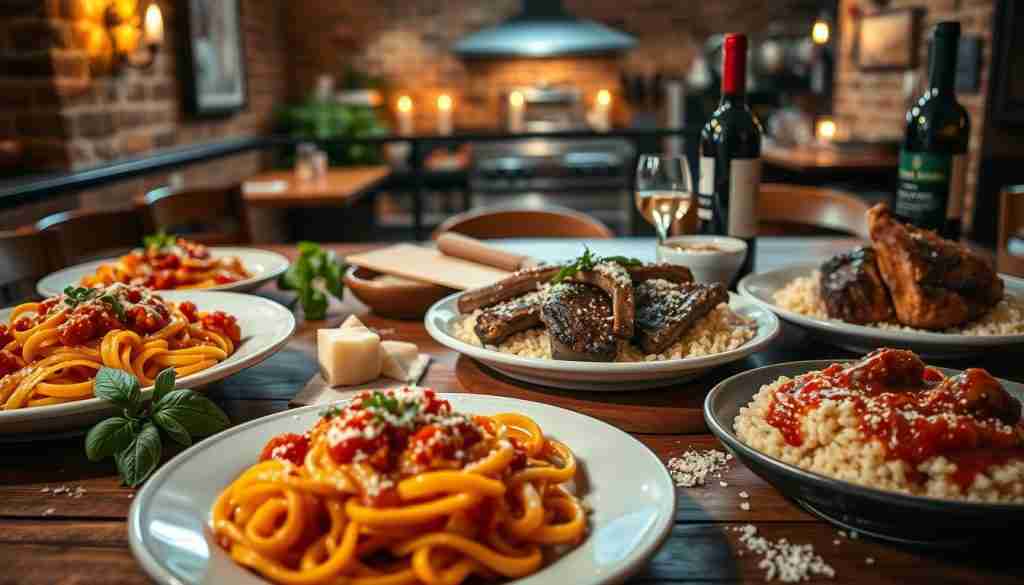
The iconic marubini pasta represents culinary artistry in miniature form. These chestnut-sized parcels feature delicate dough filled with beef marinated in red wine or vegetables, combined with roasted veal and aromatic herbs.
Tortelli cremaschi offers a unique balance of sweet and spicy flavors within savory pasta. This distinctive dish requires careful preparation to achieve perfect texture integration.
The legendary Gran Bollito showcases how humble meat cuts become extraordinary through patient simmering. Various meats cook for three hours until exceptionally tender.
Must-Try Sweets: Torrone and Sbrisolona
Torrone di Cremona IGP stands as the area’s famous nougat confection. First created in the 16th century, this sweet combines honey, egg whites, and toasted almonds for a signature taste.
Sbrisolona provides the perfect crumbly conclusion to any meal. This traditional dessert features a simple yet satisfying combination of ingredients that has delighted palates for centuries.
Exploring Local Dining Spots and Wine Trails in Cremona
From rustic osterias to sophisticated restaurants, the city’s dining scene provides diverse culinary adventures. Visitors discover authentic flavors through carefully selected establishments and regional wine pairings.
Insider Tips: Where to Eat in Cremona
Discerning travelers should examine posted menus and restaurant interiors before dinner service. This approach reveals authentic establishments beyond internet recommendations.
Three essential restaurants offer distinct perspectives. Osteria Garibaldi serves traditional preparations on Corso Giuseppe Garibaldi. Il Violino Restaurant provides upscale dining worth the premium price. Osteria Il Bissone delivers authentic local atmosphere.

Local Markets, Festivals, and Culinary Tours
November transforms the city into a premier food experience. The Gran Bollito festival celebrates boiled meats in Piazza del Comune. Restaurants feature seasonal specialties in abundance during this ideal time.
Campagna Amica Sunday markets in Stradivari Square offer local ingredients and producer interactions. These markets supply the city’s restaurants with exceptional artisanal products.
Local wines complement rich flavors and balance intense mostarda. Seek recommendations from restaurant sommeliers for perfect regional pairings.
Conclusion: Embracing a Culinary Adventure in Cremona
More than just a stop between famous destinations, this city invites deep immersion into living food heritage that spans generations. Signature flavors like marubini pasta, Gran Bollito, and Torrone IGP represent essential components of any comprehensive Italian culinary education.
The true value lies in approaching Cremona as a dedicated destination. November offers peak experiences with the Gran Bollito festival, but rewarding discoveries await year-round. Market visits and restaurant meals connect travelers with artisans maintaining century-old tradition.
This food journey reflects the broader cultural commitment to craftsmanship evident throughout the city. Each meal becomes a pathway to deeper understanding of Italian heritage.
Armed with knowledge of signature dishes and cultural context, travelers can confidently plan an adventure that satisfies both appetite and curiosity. This approach transforms typical tourism into meaningful cultural exploration.


