Welcome to a journey into one of Northern Italy’s most enchanting destinations. This comprehensive guide unlocks the secrets of a city where musical heritage resonates through cobblestone streets. Centuries-old traditions remain vibrantly alive in contemporary practice here.
This compact Lombard city of 70,000 residents serves as the world capital of violin-making. It is the birthplace of legendary luthiers Antonio Stradivari, Giuseppe Guarneri, and Andrea Amati. The heart of this culture beats in artisan workshops that continue centuries of craftsmanship.
Beyond its musical fame, the location offers an authentic Italian experience away from crowds. The essence of local life thrives in historic piazzas and family-run trattorias. Director Luca Guadagnino captured this quintessentially Italian character in his film Call Me by Your Name.
Our guide provides expert insights into architectural marvels like the Torrazzo bell tower. We explore culinary treasures from marubini in brodo to torrone. This resource transforms visitors into informed explorers of a destination rich in history and charm.
Key Takeaways
- Cremona is the global center for violin-making, with a living tradition dating back centuries.
- The city offers an authentic Italian experience, celebrated for its lack of overtourism.
- It boasts significant architectural landmarks, including Europe’s tallest brick bell tower.
- The region’s culinary specialties provide a delicious journey into local culture.
- The area gained cinematic fame as a filming location for a major motion picture.
- This guide provides expert advice for a deeply immersive and comfortable visit.
Exploring Cremona’s Rich Historical and Musical Legacy
At the heart of this city’s identity lies a centuries-old craft perfected by Andrea Amati, Antonio Stradivari, and Giuseppe Guarneri. Their extraordinary work established an uninterrupted tradition of stringed instrument craftsmanship. This living heritage continues through over 150 contemporary luthier artisans.
The Mastery of Violin Making and Artisan Workshops
Modern craftspeople employ the same meticulous techniques perfected in the 17th century. Visitors can witness this art firsthand at recommended artisan workshops like Liuteria Cremonese. Master craftsmen shape wood and adjust soundboards with precision.
The Scuola Internazionale di Liuteria, founded in 1938, trains new generations in these methods. Students preserve techniques passed down through centuries. The school ensures the tradition of violin making thrives.
For deeper immersion, visit Casa Stradivari at 57 Corso Garibaldi by appointment. The Consorzio Liutai showroom in Piazza Stradivari showcases both historical and contemporary instruments. These spaces celebrate Antonio Stradivari‘s enduring legacy.
| Workshop Name | Specialization | Visitor Access | Unique Feature |
|---|---|---|---|
| Liuteria Cremonese | Modern Violins | Walk-in Friendly | Live Demonstrations |
| Bottega di Liuteria Philippe Devanneaux | Restoration | By Appointment | Historical Techniques |
| Consorzio Liutai Showroom | Master Instruments | Open Daily | Stradivari Exhibits |
Architectural Marvels: Cathedral, Torrazzo, and Piazza del Comune
The breathtaking Piazza del Comune represents one of Italy’s most harmonious squares. Religious and civic architecture create an ensemble that has defined the city’s core for centuries.
The Cathedral of Santa Maria Assunta features a magnificent Lombard Romanesque façade. Its interior transforms with Renaissance frescoes celebrating art and faith. This contrast between severe exterior and rich decoration is remarkable.
The iconic Torrazzo bell tower stands at 368 feet as Europe’s tallest brick structure. Its dual-rod construction houses a staircase leading to panoramic views. The Renaissance astronomical clock still tracks moon phases and zodiac constellations.
These structures represent the evolution of Italian design. They showcase the seamless integration of music, art, and spiritual life that defines the local cultural identity.
Your Ultimate Cremona Travel Guide
The key to a deeply rewarding visit lies in embracing the city’s pedestrian-friendly design and rich, accessible heritage. Its compact size makes immersive exploration not just possible, but effortless.
Planning Your Itinerary for a Cultural Immersion
With one to two days, you can fully absorb the essential sights and local rhythm. A single day allows for a walking tour of the historic center, including the Torrazzo and Violin Museum.
Staying longer provides a richer experience. You gain time for multiple artisan workshops and a leisurely meal. This way, you connect more deeply with the local culture.
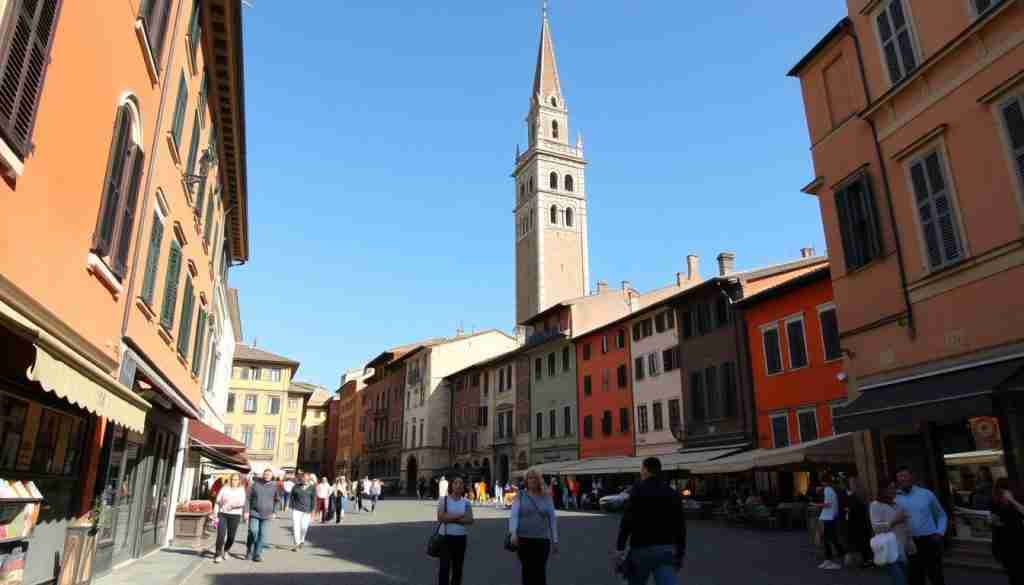
Spring and early autumn offer the best time for a visit. Pleasant weather coincides with cultural events. December is a magical spot on the calendar, famous for its festive markets.
Arriving by train is a convenient way to reach Cremona. High-speed services connect from Milan in about 90 minutes. The city itself is a dream for walking, with flat terrain and car-free zones.
Insider Tips for an Authentic Cremonese Experience
To avoid the main tourist crowds, plan to visit major sites early in the morning. Then, slow down and savor a coffee at a local café.
Engage with artisans in their workshops for a unique experience. Don’t miss the evening passeggiata when the center comes alive with locals. This simple stroll offers a genuine glimpse into daily life.
Savoring Cremona: Culinary Delights and Artisan Experiences
Local cuisine offers another gateway to understanding the rich heritage of this destination. The city’s edible traditions reflect the same craftsmanship found in its musical workshops.
Traditional Cremonese Dishes and Local Flavors
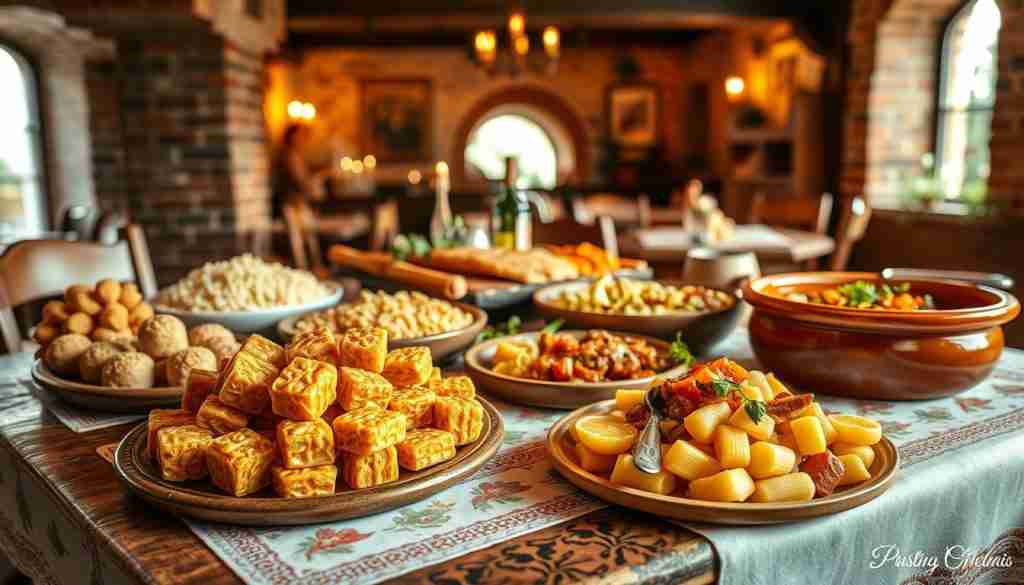
Signature dishes showcase Lombard culinary traditions passed through generations. Marubini in brodo features delicate pasta parcels served in rich broth.
The distinctive mustard-fruit condiment, mostarda, combines sweet and spicy flavors. This unique creation pairs beautifully with local cheeses and meats.
No visit is complete without sampling the famous torrone. This honey-based nougat comes in various textures from soft to brittle.
Exploring Boutiques, Historic Shops, and Local Markets
Via Solferino serves as the main artery for shopping and café culture. Historic establishments like Sperlari have operated here since 1836.
This vibrant street offers the perfect spot to discover authentic food products. Visitors find colorful displays of candies, mustard, and artisanal nougat.
Modern boutiques showcase contemporary design alongside traditional crafts. The shopping experience reveals another side of local artisan culture.
Iconic Landmarks and Must-Visit Museums
Cremona transforms visitors into time travelers through its remarkable preservation of architectural and musical heritage. The city’s cultural institutions stand as living monuments to centuries of artistic achievement.
Discovering the Violin Museum and Luthier Heritage
The UNESCO-recognized Violin Museum houses an unparalleled collection of 700 original drawings and tools from Stradivari’s workshop. Visitors encounter masterpiece instruments by the great luthiers in ten dedicated rooms.
Interactive displays explore the science of acoustics and craftsmanship. The highlight remains Saturday noon concerts where musicians play Stradivari violins in a perfectly designed auditorium.
Key Sights: From the Torrazzo to the Cathedral of Santa Maria Assunta
Piazza del Comune forms the breathtaking heart of the city, surrounded by magnificent structures. The square’s character comes from its ancient portico displaying historical artifacts.
The Torrazzo bell tower stands 368 feet tall, offering sweeping views of the Po Valley. Its Renaissance astronomical clock remains a masterpiece of engineering.
The Cathedral of Santa Maria Assunta showcases Lombard Romanesque architecture with a richly decorated interior. This ensemble creates an ideal setting for a walking tour through centuries of art and history.
Navigating Cremona: Local Insights and Travel Tips
The compact urban layout invites visitors to discover architectural marvels and artisan workshops on foot, creating an intimate connection with the local culture. This pedestrian-friendly city allows travelers to experience the historic center without transportation concerns.
Walkability, Transportation, and Nearby Day Trips
Reaching this destination is convenient via train from Milan or Bologna. The central station places arrivals within walking distance of major attractions. This accessibility enhances the overall visitor experience.
Accommodation options range from countryside farmhouses to urban design hotels. Cascina Farisengo offers authentic immersion just outside the city. Urban alternatives provide modern comforts near the cultural heart.
Nature escapes like Parco Colonie Padane along the Po River offer peaceful contrast. This favorite local spot features walking paths and historical architecture. The park’s transformation over the century reflects the region’s evolution.
Day trips extend the experience to surrounding regions. Villa Oppi 1524 provides vineyard tours and wine tastings. Parma offers Renaissance elegance and world-famous culinary products. These excursions complement the musical heritage found throughout the city.
Conclusion
The true magic of this Lombard city reveals itself not in grand monuments alone, but in the living pulse of its daily traditions. Here, history remains a vibrant practice rather than a museum display.
This destination offers discerning visitors something increasingly rare: genuine immersion in Italian culture. The resonance of a Stradivari violin or the taste of generations-perfected marubini creates lasting connections to heritage.
Approach Cremona with an unhurried mindset. Allow time for spontaneous discoveries and conversations with artisans. This transforms a trip into a meaningful experience.
The city represents Italy beyond stereotypes—a working community where contemporary creativity roots in historical excellence. Our comprehensive resource helps unlock these unique qualities.
We invite you to discover firsthand how music, architecture, and craftsmanship harmonize here. Cremona rewards curious travelers with insights unavailable anywhere else.


