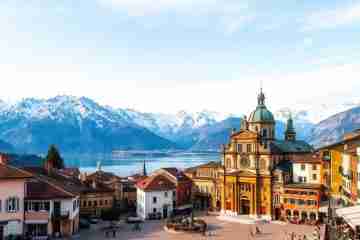
Tucked between Milan and Verona, Brescia stands as a cultural treasure in northern Italy. Recognized as the 2023 Italian Capital of Culture, this vibrant city blends ancient roots with modern charm. Founded as the Roman settlement of Brixia, its strategic position along historic trade routes shaped its rich heritage.
Just 36 minutes by train from Milan and under two hours from Venice, the city offers travelers a quieter alternative to crowded tourist hubs. Visitors discover layers of history here, from remarkably preserved Roman temples to medieval castles and Renaissance piazzas. Its designation as a cultural capital highlights Brescia’s role as a living museum, where every street reveals centuries of artistic achievement.
What makes this destination unique is its ability to balance authenticity with accessibility. Unlike busier Italian hotspots, Brescia invites exploration at a relaxed pace. Local trattorias serve Lombardy specialties mere steps from UNESCO World Heritage Sites, creating an immersive experience for culture enthusiasts.
Key Takeaways
- Strategically located between Milan and Venice, ideal for multi-city itineraries
- Named Italy’s 2023 Capital of Culture for its exceptional heritage preservation
- Features 2,000+ years of layered history from Roman to Renaissance eras
- Offers easy train access (36 minutes from Milan) with fewer crowds
- Combines archaeological wonders with authentic regional cuisine
Getting Started in Brescia’s Historic Heart
Efficient train routes and scenic drives open the door to Brescia’s pedestrian-friendly historic center, where cobblestone streets whisper tales of centuries past. Modern infrastructure blends seamlessly with ancient pathways, offering travelers multiple arrival options tailored to their preferences.
Transportation Tips and Arrival Options
Reaching the city’s core is straightforward thanks to Italy’s robust rail network. Freccia high-speed trains depart Milan every 30 minutes, completing the journey in 36 minutes, while hourly regional services offer budget-friendly alternatives. From Rome, direct trains connect to Brescia in 3.5 hours, making it accessible for cross-country itineraries.
Those arriving by car will find the 90-kilometer drive from Milan via A35 highway equally convenient. Free parking near Castello di Brescia eliminates the stress of urban navigation, placing visitors steps from UNESCO-listed landmarks. Once parked, explore effortlessly – the entire historic center prioritizes pedestrians over vehicles.
Finding the Perfect Stay in the Old Town
Accommodations here range from boutique hotels housed in Renaissance palaces to family-run guesthouses with terracotta rooftops. Staying within the car-free zone means waking up to café-lined piazzas and having cultural attractions like Piazza della Loggia within a 5-minute walk.
Pro tip: Book lodgings near Via Musei for direct access to Roman ruins and medieval churches. This strategic location balances quiet evenings with daytime energy, letting travelers absorb the city’s layered history at their own pace.
Discovering Brescia’s Rich Heritage & Landmarks
Stepping into this Lombardy gem feels like turning pages of a living history book. The city’s UNESCO World Heritage sites stand as proud storytellers, revealing layers of civilization from ancient empires to Renaissance visionaries. 
Exploring Roman Ruins and the Brixia Archaeological Park
At the heart of the archaeological park, the Capitolium temple dominates the landscape. Built in AD 73, this UNESCO World Heritage Site once hosted rituals honoring Jupiter, Juno, and Minerva. Beneath its marble floors lie even older secrets—a 1st-century BC sanctuary with remarkably preserved mosaics.
Adjacent to the temple, the Roman theatre’s semi-circular seating whispers of classical dramas. Active through three centuries, its stone steps still echo with history. Practical details matter:
| Day | Opening Hours | Key Features |
|---|---|---|
| Weekdays | 10:00-18:00 | Capitolium Temple |
| Holidays | 10:00-18:00 | Underground Sanctuary |
| Monday | Closed | — |
Medieval Castles and Renaissance Monuments
Brescia Castle crowns Colle Cidneo hill like a stone sentinel. Its 16th-century entrance portal leads to sweeping city views and hidden courtyards. Don’t miss the twin bastions—San Faustino and San Marco—that once defended this strategic stronghold.
Inside the fortress, museums display armor and artifacts dating back to medieval times. The castle’s position offers more than history—it’s a perfect sunset spot overlooking terracotta rooftops and modern Brescia.
Exploring Brescia: The Ultimate Cultural Journey
At the heart of Lombardy’s cultural landscape, historic squares form living stages where Renaissance grandeur converses with modern creativity. These open-air galleries showcase architectural evolution through carefully preserved details and bold contemporary additions.
Venetian Splendor Meets Modern Artistry
Piazza della Loggia captivates with its Venetian-style clock tower and arched porticos. The square’s namesake palace, completed in 1574, displays intricate marble reliefs depicting mythological scenes. Three blocks east, Piazza Vittoria surprises visitors with Nico Filardo’s suspended rhinoceros sculpture—a bronze contrast to 1930s rationalist architecture.
Sacred Architecture Through the Ages
Piazza Paolo VI, locally called “Square of Two Cathedrals,” presents an unmatched duality. The Duomo Nuovo impresses with its Baroque dome soaring 80 meters, while the circular Duomo Vecchio reveals 11th-century simplicity. Their contrasting styles mirror Brescia’s layered spiritual history.
| Cathedral | Weekday Hours | Weekend Hours |
|---|---|---|
| Duomo Nuovo | 7:30-12:00 15:00-19:00 | 8:00-12:00 15:00-19:00 |
| Duomo Vecchio | Closed Mon-Tue 9:00-18:00 Wed-Sat | 9:00-10:45 15:00-18:00 |
Visitors should time their cathedral visits carefully—the winter church closes Mondays and Tuesdays, while its summer counterpart remains accessible daily. This architectural pair offers a rare opportunity to compare medieval and early modern sacred design within a single square.
A Culinary Tour Through Brescia’s Traditional Dishes
Brescia’s culinary landscape offers a tapestry of flavors shaped by Alpine breezes and Lombard plains. This northern Italian city transforms local ingredients into edible art, where every dish tells a story of cultural exchange and regional pride.
Savoring Local Specialties and Authentic Brescian Cuisine
Start with casoncelli—delicate pasta parcels filled with spiced meats or squash. These savory pockets showcase Lombardy’s agricultural abundance. For festive occasions, the Brescian skewer takes center stage, layering rabbit, pork, and potatoes into a smoky masterpiece.

Winter brings rabbit alla bresciana, slow-cooked with cloves and cinnamon. Dessert lovers find plenty to savor too. Cloud-like bossolà doughnuts pair perfectly with persicata, a thick peach jam crafted through generations-old techniques.
Top Restaurants and Iconic Food Spots
No culinary tour is complete without Pasticceria Veneto. Master baker Iginio Massari elevates local sweets into edible landmarks. Their holiday hours cater to both early risers and afternoon indulgers:
| Day | Morning Hours | Afternoon Hours |
|---|---|---|
| Weekdays | 7:45-13:30 | 14:30-19:45 |
| Holidays | 7:45-13:30 | 15:00-19:30 |
This pastry gem sits among family-run trattorias serving Rovato oil-marinated beef. These places preserve recipes unchanged since Renaissance times, making every meal a historical encounter.
Immersing in Art and Museums for a Deeper Insight
Within ancient monastery walls, Brescia’s cultural narrative comes alive through masterful preservation. The Santa Giulia Museum, a UNESCO World Heritage Site, occupies a 7th-century Longobard convent spanning three acres. Its 14,000-square-meter galleries showcase artifacts from prehistoric tools to Baroque paintings, creating a timeline of human creativity.
Visiting the Santa Giulia Museum and World Heritage Sites
The museum’s Casa delle Fontane reveals Roman engineering brilliance. Walk through heated marble floors and functional sewer systems in this 1st-century villa. Don’t miss the water channels that still flow beneath mosaic courtyards—a testament to ancient urban planning.
Upstairs, the Chiesa di Santa Maria in Solario stuns visitors with its 12th-century frescoes. The octagonal chapel safeguards the Cross of Desiderius, a jeweled masterpiece with 212 gemstones. This sacred space merges spiritual history with artistic craftsmanship.
| Days | Hours | Highlight Access |
|---|---|---|
| Thu-Fri | 18:00-22:00 | Full Complex |
| Weekends | 10:00-21:30 | Guided Tours |
Cultural Exhibits and Local Art Installations
Beyond permanent collections, the Giulia Museum hosts rotating exhibits in vaulted Renaissance halls. Recent displays contrasted Etruscan bronzes with modern sculptures, bridging 3,000 years of artistry. Local artists often collaborate, adding contemporary voices to historic spaces.
The monastic cloisters themselves become art pieces at dusk. Soft lighting illuminates 15th-century frescoes, while projection mapping transforms stone arches into dynamic canvases. These installations make the city’s past resonate with modern audiences.
Day Trips & Surrounding Destinations from Brescia
Northern Italy’s diverse landscapes unfold like a storybook beyond the city limits. Quick train connections and scenic routes reveal alpine vistas, vineyard-clad hills, and Italy’s largest lake within easy reach. These excursions balance cultural discovery with natural beauty, perfect for travelers craving varied experiences.
Lake Garda and Desenzano del Garda
A 15-minute train ride transports visitors to Desenzano del Garda, where Mediterranean charm meets glacial history. The medieval castle’s tower offers panoramic views of the 50-kilometer lake, formed during the last ice age. Don’t miss Villa Romana’s floor mosaics—intricate 4th-century designs rivaling Rome’s finest.
Hop a ferry to Sirmione’s peninsula for thermal spas and Scaligero Castle’s moat. Morning tours avoid crowds at Grotte di Catullo, where Roman villa ruins frame sapphire waters. Return by sunset to watch Porto Vecchio light up with bustling cafés.
Hidden Gems and Scenic Itineraries
Venture east to Bergamo’s walled Città Alta, accessible via hourly trains. Northbound routes lead to Dolomite foothills, where hiking trails weave through chestnut forests. For wine enthusiasts, Franciacorta’s sparkling vineyards sit just 40 minutes by car.
These day trip options showcase northern Italy’s layered appeal—alpine air, Renaissance art, and lakeside leisure coexist within a two-hour radius. Smart planning lets travelers sample multiple regions while maintaining Brescia as their cultural anchor.