Tucked away in Italy’s Lombardy region, a remarkable city awaits discovery. Surrounded by three shimmering artificial lakes, this destination offers a peaceful escape from the bustling crowds of more famous Italian hotspots. Its strategic location makes it a perfect stop on any northern Italian trip.
The history of this place is profound, with roots stretching back an astonishing four thousand years. This long timeline has created layers of culture and art that are visible around every corner. In 2008, its well-preserved old town earned a UNESCO World Heritage Site designation, cementing its status as a cultural treasure.
Visitors will find that taking the time to explore here is richly rewarded. The city has been honored as both the Italian Capital of Culture and the European Capital of Gastronomy. These accolades highlight an exceptional blend of Renaissance art, majestic architecture, and world-class cuisine. Our guide provides essential insights to help you experience the best things this unique destination has to offer.
Key Takeaways
- Mantua is a historic city in Lombardy, Italy, surrounded by lakes and recognized as a UNESCO World Heritage Site.
- Its location between major cities like Venice and Bologna makes it a convenient and strategic base for exploring northern Italy.
- The city boasts a rich 4,000-year history, with significant artistic achievements from the Renaissance period under Gonzaga rule.
- It has received prestigious titles, including Italian Capital of Culture and European Capital of Gastronomy, highlighting its cultural and culinary excellence.
- Travelers can enjoy an authentic Italian experience with fewer crowds compared to more popular destinations in the region.
- Well-connected by train, it allows for easy day trips to other notable cities while serving as a peaceful retreat.
Discover Mantua: A City of Renaissance Riches
Stepping into this UNESCO-recognized city feels like entering a living Renaissance masterpiece. The atmosphere transports visitors to an era when art and culture flourished under visionary patronage.
Historical Background & UNESCO Heritage
The Gonzaga family shaped this place for nearly four centuries. Their rule began in the 14th century and transformed the city’s destiny.
Medieval engineers created three artificial lakes in the 12th century. This brilliant defensive system turned the settlement into an island fortress. UNESCO designation in 2008 honored this exceptional preservation.
Art and Architectural Marvels
Renaissance masters found generous sponsors in the Gonzaga court. Artists like Andrea Mantegna created groundbreaking works that still awe visitors today.
The city’s architecture showcases remarkable continuity. From the massive Palazzo Ducale to intimate churches, each structure tells a story of artistic innovation.
| Renaissance Achievement | Key Contributor | Historical Significance | Modern Impact |
|---|---|---|---|
| Palazzo Ducale Frescoes | Andrea Mantegna | Revolutionized perspective painting | UNESCO World Heritage Site |
| Palazzo Te Design | Giulio Romano | Mannerist architecture masterpiece | Major tourist attraction |
| L’Orfeo Opera Premiere | Claudio Monteverdi | Birth of modern opera | Cultural festival centerpiece |
| Defensive Lake System | 12th Century Engineers | Medieval hydraulic engineering | Defines city landscape |
This rich history makes every visit deeply rewarding. Travelers connect with humanist ideals that shaped Western civilization.
Essential mantua travel recommendations
Strategic planning transforms a visit to this lakeside city from a simple stop into an immersive cultural journey. Understanding the optimal duration and timing ensures travelers experience the destination’s full Renaissance splendor.
Planning Your Visit
Most visitors find that one full day covers the essential highlights beautifully. Those with extra time can extend their stay to two or three days for deeper exploration.
Spring and autumn offer ideal conditions with pleasant temperatures around 70°F. The compact historic center means all major attractions sit within a comfortable 20-minute walk.
Must-See Attractions Overview
The Mantua City Card represents exceptional value at €25. This pass grants entry to twelve significant places, including the magnificent Ducal Palace and Palazzo Te.
Allocate at least two to three hours for the Palazzo Ducale to appreciate its artistic treasures properly. The walkable layout allows spontaneous discovery of charming streets between planned stops.
These practical recommendations help visitors maximize their limited time while maintaining a relaxed pace. This approach ensures genuine appreciation of the city’s artistic and culinary offerings.
Uncover the Legacy of the Gonzaga Family
Walking through the historic center reveals the profound legacy left by the Gonzaga rulers. Their nearly 400-year reign transformed a medieval settlement into a Renaissance jewel.
Ducal Palace Highlights
The magnificent Ducal Palace stands as the primary monument to Gonzaga ambition. This massive complex contains over 1,000 rooms showcasing Renaissance refinement.
Andrea Mantegna’s Camera degli Sposi represents a true 15th century masterpiece. His revolutionary frescoes create stunning illusionistic spaces that continue to astonish visitors.
Palazzo Te and Its Frescoes
Built in the 16th century, Palazzo Te served as a pleasure palace for Federico II Gonzaga. The interior features Giulio Romano’s extraordinary frescoes.
The Chamber of the Giants demonstrates dramatic mannerist style. Mythological scenes appear to burst from walls and ceilings in theatrical spectacle.
| Palace Feature | Primary Artist | Century | Artistic Significance |
|---|---|---|---|
| Ducal Palace Rooms | Andrea Mantegna | 15th | Revolutionary perspective techniques |
| Camera degli Sposi | Andrea Mantegna | 15th | Trompe-l’oeil masterpiece |
| Palazzo Te Interior | Giulio Romano | 16th | Mannerist dramatic intensity |
| Chamber of the Giants | Giulio Romano | 16th | Theatrical fresco spectacle |
Both palaces reveal how the gonzaga family used art as political statement. Their commissions celebrated connections to classical antiquity and European power.
Exploring Iconic Squares and Landmarks
The historic squares of this Lombardy gem serve as open-air museums where every cobblestone tells a story. These public spaces reveal how urban life evolved across millennia, from ancient settlements to Renaissance grandeur.
Piazza Sordello and Surrounding Palaces
Piazza Sordello forms the historical heart where civilizations layered upon one another. Visitors can see Roman mosaic fragments in the southwest corner, connecting today’s explorers to inhabitants from two thousand years ago.
Three magnificent palaces frame this cobblestone square, creating an architectural ensemble that spans centuries. The 13th-century building traditions blend seamlessly with later Renaissance refinements.

Astronomical Clock Tower Insights
The clock tower represents 15th-century technological sophistication. Luca Fancelli’s 1473 creation tracked planetary movements alongside the hour, serving both practical and astrological purposes.
Nearby, the Torre della Gabbia tower stands as a sobering reminder of medieval justice. Its suspended cage held prisoners for offenses ranging from serious crimes to minor infractions.
These landmarks demonstrate how public spaces functioned as centers of power, commerce, and social interaction. Each clock chime connects modern visitors to historical rhythms of urban life.
Sacred Heritage and Majestic Churches
Majestic churches stand as timeless witnesses to the evolving spiritual and artistic traditions that define this UNESCO city. These sacred spaces span nearly a millennium of architectural innovation.
Basilica di Sant’Andrea’s Renaissance Splendor
The Basilica di Sant’Andrea represents Leon Battista Alberti’s 15th century masterpiece. This Roman Catholic cathedral showcases Renaissance architecture with Corinthian columns and barrel-vaulted ceilings.
The interior houses Christianity’s Precious Blood relic, visible only on Good Friday. Six chapels feature paintings by Andrea Mantegna, creating a place of profound spiritual significance.
Rotonda di San Lorenzo’s Historic Charm
The Rotonda di San Lorenzo presents an 11th-century circular church with remarkable survival history. This ancient san lorenzo structure endured centuries of secular use before restoration returned its religious purpose.
Today, visitors observe how the rotonda san lorenzo sits below modern street level. The simple circular geometry demonstrates medieval construction durability across ten centuries.
| Church Feature | Architectural Style | Century Built | Key Relic/Feature |
|---|---|---|---|
| Basilica di Sant’Andrea | Renaissance | 15th | Precious Blood of Christ |
| Rotonda di San Lorenzo | Romanesque | 11th | Circular Design Survival |
Both churches reveal how sacred spaces adapt across different historical periods. Their interior designs continue to inspire visitors with spiritual and architectural wonder.
Cultural Delights and Immersive Museums
Cultural enthusiasts will discover that the city’s museums reveal stories from prehistoric times to Baroque brilliance. These institutions offer diverse experiences that complement the architectural wonders.
National Archaeological Museum Experiences
The National Archaeological Museum occupies a remodeled market hall building. It houses artifacts from Roman, Neolithic, and Bronze Age excavations.
All items feature clear English labels. The highlight is the Lovers of Valdaro—6,000-year-old skeletons discovered embracing.
Teatro Bibiena and Local Artistry
Teatro Bibiena represents 18th-century theatrical art at its finest. Antonio Galli Bibiena’s bell-shaped design creates extraordinary acoustics.
Thirteen-year-old Mozart performed here in 1770. Today, visitors can tour the space or attend live performances.
| Cultural Institution | Historical Period | Key Feature | Visitor Experience |
|---|---|---|---|
| National Archaeological Museum | Prehistoric to Roman | Lovers of Valdaro skeletons | Self-guided exploration |
| Teatro Bibiena | 18th Century Baroque | Mozart performance history | Guided tours or concerts |
Both venues connect visitors across vast expanses of time. They form an essential part of understanding the region’s rich history.
A Taste of Mantuan Culinary Traditions
The culinary landscape of this Lombardy treasure offers an unforgettable journey through time and taste. Its 2017 designation as European Capital of Gastronomy honors a rich heritage where rustic ingredients meet sophisticated preparation.
This region’s fertile plains provide the foundation for a distinctive cuisine. Family recipes passed through generations create a living food culture.
Signature Dishes and Local Flavors
Iconic dishes tell the story of the land and its people. Tortelli di Zucca, pumpkin-stuffed pasta, perfectly balances sweet and savory flavors.
Other staples include Risotto Alla Pilota, made with local rice, and Bigoli con le Sardelle, a pasta with sardines. Salame Mantovano offers a slightly sweet cured meat.
Don’t miss the classic desserts. Sbrisolona is a crunchy almond cake, while Torta delle Rose is a soft, rose-shaped pastry.
Top Restaurants and Bakeries to Try
The city’s dining scene caters to all tastes. From Michelin-noted restaurants to cozy, family-run osterias, authenticity is guaranteed.
Traditional bakeries and cafes are essential stops. They offer a genuine glimpse into daily life in this town.
| Signature Dish | Key Ingredients | Best Time to Try | Perfect Pairing |
|---|---|---|---|
| Tortelli di Zucca | Pumpkin, amaretti, mostarda | Autumn | Light red wine |
| Risotto Alla Pilota | Local rice, pork sausage | Year-round | Dry white wine |
| Sbrisolona Cake | Almonds, cornmeal, butter | After meals | Espresso or sweet wine |
| Salame Mantovano | Cured pork, slight sweetness | As appetizer | Mostarda condiment |
Exploring the local food is a highlight of any visit. These dishes provide a delicious connection to the place and its history.
Outdoor Adventures and Scenic Walks
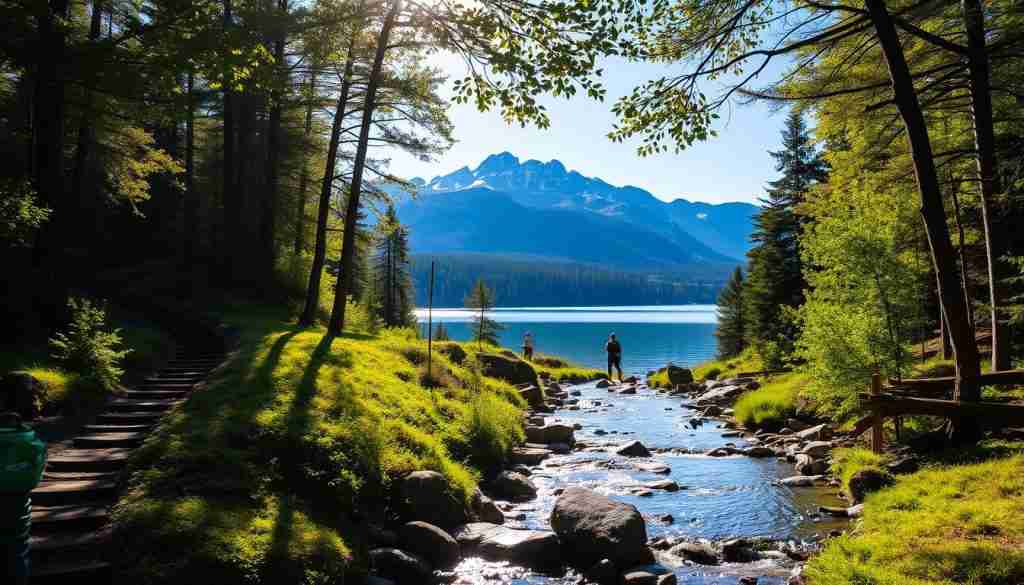
The shimmering lakes that encircle the historic center create a perfect setting for active exploration and peaceful contemplation. These 12th-century water defenses have transformed into beautiful natural landscapes.
Bike Rides Around the Lakes
Cycling enthusiasts will appreciate the flat terrain around the lakes. Dedicated paths accommodate leisurely family rides. More ambitious cyclists can follow the Mincio River toward Lake Garda.
The Upper Lake features spectacular lotus flowers during summer. Elegant swans glide across the calm water. Sunset offers the best time for photography, with golden light reflecting the city‘s skyline.
Strolling Through Charming Streets
Wandering through the historic town reveals authentic daily life. Colorful yellow and orange buildings create warm atmospheres. Residents often navigate cobblestones by bike.
Piazza Virgiliana provides green respite in the heart of the city. Tree-shaded paths offer peaceful environments. This sustainable way of living inspires visitors to explore on foot.
The lakes create unique views where urban sophistication meets natural beauty. These outdoor adventures complement cultural discoveries within the walls.
Practical Travel Tips for Navigating Mantua
Understanding transportation logistics ensures a smooth arrival and comfortable stay. This section provides essential guidance for moving around efficiently.
Getting There and Transportation Options
The regional train system connects this destination to major northern Italian cities. Travelers should search for “Mantova” when booking tickets online.
Direct trains run hourly from Verona, taking about 45 minutes. Connections from Bologna and Venice take slightly longer but remain convenient.
Booking tickets 2-3 weeks in advance saves money. The station sits just 10 minutes from the historic center on foot.
Those arriving by car will find free parking around the city periphery. Once parked, walking becomes the best way to explore.
Where to Stay and Local Insights
Accommodation choices range from luxurious palace hotels to budget-friendly options. Staying near Piazza delle Erbe offers maximum convenience.
This central location minimizes walking distances to major attractions. The compact town center makes everything accessible within 20 minutes.
For extended regional trips, staying near the station provides easy access to nearby cities. This strategy works well for multi-day explorations.
Exploring Local Festivals and Cultural Events
Beyond its magnificent architecture, the true heartbeat of this destination pulses through its vibrant calendar of festivals. These occasions offer a profound connection to the living history and community spirit of the city.
Attending an event transforms a visit, allowing travelers to experience the place as locals do. It adds a rich, human dimension to exploring historic sites.
Seasonal Highlights and Special Occasions
The most significant religious event occurs each Good Friday. The Precious Blood relic is processed through the streets from the Basilica di Sant’Andrea.
This special day connects generations of local family groups to their faith. It is a powerful time to witness deep-rooted traditions.
As the Italian Capital of Culture, the city hosts a robust year-round program. Exhibitions, concerts, and lectures provide stimulating things to do.
Musical performances, especially opera, hold great significance here. They honor the history of this art form in a meaningful part of Italy.
The daily morning market in Piazza delle Erbe is another cultural staple. It offers fresh, local products and a glimpse into daily life.
| Event Type | Season/Timing | Key Location | Cultural Significance |
|---|---|---|---|
| Good Friday Procession | Spring (April) | Basilica di Sant’Andrea | Major religious observance |
| Opera & Music Performances | Year-round | Teatro Bibiena & other venues | Celebrates opera heritage |
| Cultural Capital Events | Throughout the year | Various museums & squares | Intellectual & artistic programming |
| Daily Morning Market | Every day | Piazza delle Erbe | Authentic local commerce |
Conclusion
The true reward of exploring this destination is discovering how its glorious past actively enriches the present-day visitor experience. Mantua stands as a profound city where world-class art and living history create an authentic trip.
The legacy of the Gonzaga family is visible in every palace and 16th century masterpiece, from dramatic frescoes to architectural wonders. Whether you spend a few days or just a single hour, the town offers a rewarding way to experience the best things.
Our guide shows that this is more than a simple travel stop. It is a place where a powerful family shaped a city‘s destiny, leaving a cultural treasure for all to enjoy.


