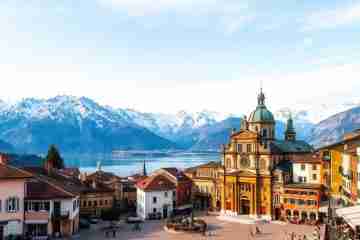
Nestled between Milan and Verona, Brescia captivates visitors with its seamless blend of ancient heritage and modern Italian charm. Recognized as Italy’s 2023 Capital of Culture, this northern gem reveals over two millennia of history through its UNESCO sites, medieval castles, and Roman ruins. Travelers seeking authentic experiences will appreciate its walkable urban core, where Renaissance palaces stand alongside lively cafés serving traditional cuisine.
Reaching the city is effortless. High-speed trains connect Rome to Brescia in under four hours, while hourly regional services link it to Milan. Drivers benefit from free parking near the Castello area. Once here, visitors can stroll through the compact city center to explore archaeological wonders like Brixia – the remarkably preserved Roman forum – or admire masterpieces at Santa Giulia Museum.
Brescia’s cultural significance shines through its 2023 designation, which highlights world-class art collections and historic theaters. The city also serves as a gateway to natural escapes, with Lake Garda just a short day trip away. Whether savoring local dishes in family-run trattorias or uncovering hidden courtyards, travelers discover an Italy untouched by mass tourism.
Key Takeaways
- Brescia combines ancient Roman roots with modern Italian culture, offering a less crowded alternative to major tourist hubs
- Easily accessible via high-speed trains from Rome or regional connections from Milan and Verona
- Features UNESCO World Heritage sites alongside walkable medieval streets and Renaissance architecture
- Compact urban layout allows visitors to explore major landmarks on foot in a single day
- Ideal base for combining cultural exploration with trips to Lake Garda’s scenic shores
Overview of Brescia’s Historical and Cultural Legacy
Brescia’s streets whisper tales from Roman chariots to medieval merchants, offering a living timeline of European civilization. Founded as Brixia in 200 BC, this crossroads of empires thrived along the Via Gallica trade route. Its strategic position in northern Italy shaped a layered identity visible in preserved temples, Lombard monasteries, and Venetian-inspired piazzas.
Historical Highlights from Roman to Medieval Times
The Archaeological Park of Roman Brescia showcases one of Italy’s best-preserved Roman forums. Visitors walk past 2,000-year-old Capitolium columns and mosaics where ancient citizens once gathered. Later eras left their mark too – the Longobards transformed spaces like the Santa Giulia Monastery into centers of art and faith.
Modern Vibrancy in an Ancient City
Today, Brescia pulses with energy as its 2023 Capital of Culture status proves. Cafés spill onto streets flanked by Renaissance arcades, while wine bars serve local Valtènesi reds. The Old and New Cathedrals stand side by side near Piazza Paolo VI, embodying the city’s knack for blending eras seamlessly.
Explore top attractions in Brescia
Brescia’s allure lies in its seamless integration of past and present, visible in landmarks that dominate the city center. Start your journey at the medieval Brescia Castle, perched on Cidneo Hill. This fortress offers panoramic views of terracotta rooftops and distant Alps while housing museums showcasing centuries of military history.
Just below the castle, the archaeological park reveals Rome’s enduring legacy. Walk among 2,000-year-old marble columns at the Capitolium temple, where original mosaics still decorate ancient floors. Nearby, the Roman theater’s semicircular seating whispers stories of classical performances.
For art enthusiasts, Santa Giulia Museum presents a labyrinth of cultural wonders. Housed in a former monastery, its galleries display Bronze Age artifacts alongside Renaissance masterpieces. Don’t miss the Domus dell’Ortaglia’s reconstructed Roman villas with intact frescoes.
These landmarks cluster within walking distance, making it possible to experience Brescia’s essence in one day. Those who linger uncover hidden gems like Venetian-inspired courtyards and modernist sculptures blending with historic architecture. Whether you visit Brescia for its UNESCO sites or living history, every corner rewards curiosity.
Wander Through Iconic Piazzas
Brescia’s squares serve as open-air history books where every cobblestone tells a story. Three distinct piazzas form an architectural triangle in the city center, each representing different eras of Italian design and social life.

Piazza della Loggia – The Heart of the City
This Venetian-style square captivates with its harmonious Renaissance facades. The 16th-century clock tower dominates the space, its mechanical figures – locally called “time madmen” – drawing crowds hourly. Arcaded walkways shelter cafes where visitors sip espresso beneath frescoed ceilings.
Piazza Paolo VI and Piazza Vittoria Insights
Just steps away, Piazza Paolo VI presents a sacred contrast. The circular Duomo Vecchio (Old Cathedral) stands shoulder-to-shoulder with the towering Duomo Nuovo (New Cathedral). This unusual pairing showcases 1,000 years of architectural evolution in a single glance.
| Piazza | Era | Key Feature | Vibe |
|---|---|---|---|
| Della Loggia | Renaissance | Astronomical Clock | Venetian Elegance |
| Paolo VI | Medieval/Baroque | Twin Cathedrals | Spiritual Contrast |
| Vittoria | 1930s | Suspended Rhino | Modernist Flair |
Don’t miss Piazza Vittoria’s surreal rhinoceros sculpture floating above the square. These interconnected spaces create a walkable journey through time, perfect for evening strolls followed by aperitivo at sunset-lit terraces.
Visit the Impressive Santa Giulia Museum
Housed within an eighth-century monastic complex, the Santa Giulia Museum offers a time capsule of European civilization. This UNESCO World Heritage Site combines sacred architecture with archaeological treasures, creating one of northern Italy’s most immersive cultural experiences.

UNESCO World Heritage Significance
The Longobard monastery itself forms part of the museum’s magic. UNESCO recognition honors both the architectural masterpiece and its role preserving 3,000 years of regional history. Visitors walk through medieval cloisters that once echoed with monastic chants, now framing exhibits spanning prehistoric tools to Baroque paintings.
Chronological Journey Through Art and History
Follow numbered corridors through 14,000 square meters of curated art and artifacts. Bronze Age daggers give way to Roman marble statues, while Renaissance altarpieces share space with intricate Lombard jewelry. The Domus dell’Ortaglia steals attention with its fourth-century villa mosaics – geometric patterns frozen in time beneath protective glass.
Modern lighting transforms evening visits into atmospheric explorations. Weekend hours extend until 9:30 PM, allowing twilight views of frescoed chapels. Interactive screens decode Latin inscriptions without disturbing the site’s sacred ambiance. For those seeking Brescia’s soul, this museum delivers la dolce vita through layered storytelling.
Step Back in Time at the Roman Archaeological Park
Where ancient stones speak louder than guidebooks, Brescia’s archaeological park offers a tangible connection to imperial Rome. This UNESCO World Heritage Site preserves one of northern Italy’s most complete Roman complexes, where visitors tread marble floors once walked by senators and citizens.
Capitolium and the Roman Theater
The star attraction remains the Capitolium, a first-century temple honoring Jupiter, Juno, and Minerva. Its towering columns frame original mosaic floors depicting mythological scenes. Just steps away, the semicircular Roman theater hosted 15,000 spectators in its heyday – now a silent stage for imagining gladiatorial combats.
Modern walkways let you explore subterranean chambers housing bronze statues and votive offerings. The site’s proximity to Brescia Castle creates a historic corridor spanning Roman and medieval times. Evening visits reveal dramatic lighting that transforms weathered stones into golden relics.
This living museum sits minutes from Piazza della Loggia, blending seamlessly into the city center. As sunlight filters through ancient columns, the park becomes a bridge between past and present – a must for understanding Brescia’s layered history.