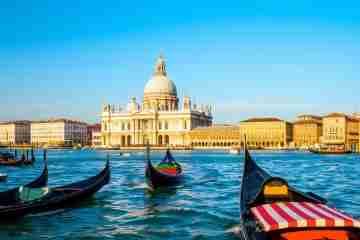
Navigating the enchanting waterways of this historic city requires more than a typical tourist approach. Our comprehensive guide draws from decades of collective expertise, helping visitors discover the authentic character of this remarkable destination.
The floating metropolis reveals its true magic to those who invest time in understanding its unique rhythms. Unlike mainland Italy, this place possesses a distinct cultural identity shaped by centuries of maritime history and independent governance.
Travelers will find practical guidance covering everything from transportation systems to hidden neighborhoods. This resource balances must-see attractions with insider knowledge that transforms a typical vacation into an immersive cultural experience.
By following carefully curated advice, visitors can avoid common pitfalls and discover genuine local life. The information reflects current conditions, ensuring proper preparation for your adventure in this incomparable city.
Key Takeaways
- Venice demands deeper understanding beyond superficial tourist approaches
- The city possesses a unique cultural identity distinct from mainland Italy
- Investing time in learning local rhythms enhances the overall experience
- Practical guidance covers transportation, neighborhoods, and dining
- Balance famous attractions with off-the-beaten-path discoveries
- Current information ensures proper preparation for your visit
- Responsible tourism practices support local communities
Discovering Venice: An Introduction
To truly appreciate this floating metropolis, one must first understand its layered history and unique urban fabric. The city’s development as an independent maritime republic created a cultural identity distinct from mainland Italy.
Venice’s Rich History and Culture
For over a millennium, Venetian culture evolved through innovative governance and artistic achievement. Understanding this background transforms sightseeing into genuine cultural appreciation.
Local people maintain traditions shaped by centuries of maritime history. Taking time to learn about this heritage enhances any visit significantly.
Understanding the Labyrinth of Canals and Alleys
The network of waterways follows organic development rather than planned design. Getting lost becomes an essential part of the authentic experience.
Canals served as primary transportation routes for centuries. This created an urban environment where water and architecture intertwine uniquely.
The sestieri system divides the city into six main districts plus Giudecca island. Each neighborhood possesses distinct character and historical significance.
| Sestiere | Character | Key Features | Visitor Experience |
|---|---|---|---|
| San Marco | Historic Center | Piazza San Marco, Basilica | Iconic but crowded |
| Dorsoduro | Arts District | Accademia Gallery, Guggenheim | Cultural immersion |
| Cannaregio | Residential | Jewish Ghetto, local shops | Authentic daily life |
| Castello | Maritime | Arsenal, biennale gardens | Peaceful exploration |
Addressing conventions use district names followed by numbers rather than street names. This system requires visitors to think about navigation in a different way.
Resources like Venice by Jan Morris provide excellent cultural context. Documentary series such as Francesco’s Venice offer visual introductions to this remarkable city.
Planning Your Venetian Adventure
Strategic planning transforms a Venetian journey from overwhelming to unforgettable. The city’s unique challenges require thoughtful preparation to maximize enjoyment and minimize stress.
Timing Your Visit: Seasons and Flood Considerations
Seasonal timing dramatically impacts your experience. Shoulder seasons—April-May and September-October—offer ideal conditions with pleasant weather and manageable crowds.
The acqua alta phenomenon occurs mainly between October and March. Since 2020, the MOSE flood barriers have significantly reduced flooding occurrences. Warning sirens alert visitors hours in advance when high water approaches.
Booking Tickets and Accommodations Wisely
Advance booking proves essential for major attractions and popular restaurants. Waiting in lines wastes precious vacation time during peak periods.
Booking accommodations well in advance ensures better rates and locations. Properties near vaporetto stops offer convenience, while quieter neighborhoods provide authentic residential experiences.
Planning adequate days for your visit—ideally five to seven—allows you to experience the city’s true rhythms. Day-trippers miss the essence of local life that reveals itself over time.
Make sure to research seasonal events and local festivals that might enhance your plans. Each day in this remarkable city offers new discoveries when you allow sufficient days for exploration.
Summer visitors should prepare for intense heat and crowds. The city contains lots of hidden gems that reward those who plan strategically.
Navigating Venice: Transport and Getting Around
Getting from point A to point B in the lagoon city involves embracing both pedestrian exploration and water navigation. The unique geography demands a flexible approach to movement.
Exploring on Foot: The Art of Getting Lost
Walking remains the most authentic way to experience the city’s charm. Many destinations are reachable within 10-15 minutes on foot.
Getting lost in the labyrinthine streets often leads to delightful discoveries. Hidden squares and local shops reveal themselves to those who wander.
Understanding Vaporetto, Water Taxis, and Buses
The vaporetto system functions as the city’s public bus network on water. These public boats provide affordable access throughout the islands.
Timed passes offer better value than single rides for active explorers. Always validate tickets before boarding to avoid fines.
Water taxis provide premium door-to-door service at higher costs. They’re ideal for airport transfers with luggage.
The traghetto service offers an economical way to cross the Grand Canal. It provides a gondola-like experience for just €2.
From Marco Polo Airport, choose between water taxis, Alilaguna ferry, or bus to Piazzale Roma. Each option suits different budgets and needs.
Exploring Iconic Landmarks: Piazza San Marco & Rialto Bridge
While millions flock annually to this city’s most photographed sites, the authentic experience of Piazza San Marco and Rialto Bridge requires escaping the conventional tourist schedule. These landmarks serve as orientation points within the broader urban tapestry.
The Magic of San Marco at Dawn and Dusk
Visiting Piazza San Marco around sunrise reveals architectural grandeur without daytime crowds. The square experiences complete solitude around 4am, offering photographers unparalleled opportunities.
The Rialto Bridge provides spectacular Grand Canal views but becomes claustrophobic during midday hours. Early morning crossings feel entirely different from the packed afternoon experience.
Strategic timing transforms these spaces from crowded tourist zones to magical experiences. Understanding their role as landmarks rather than destinations enhances appreciation.
| Time of Day | Piazza San Marco Experience | Rialto Bridge Experience | Recommended For |
|---|---|---|---|
| Dawn (4-7am) | Near solitude, perfect photography | Peaceful crossings, market preparation | Photographers, contemplative visitors |
| Midday (11am-3pm) | Extremely crowded, challenging navigation | Peak tourist traffic, slow movement | Quick orientation only |
| Dusk (6-9pm) | Beautiful lighting, reduced crowds | Romantic atmosphere, evening views | Leisurely enjoyment, couples |
Smart visitors avoid premium seating charges at famous Piazza San Marco cafes by standing at the bar. This provides the same historic ambiance at a fraction of seated tourist prices.
Advance booking for Doge’s Palace “Secret Itineraries” tours reveals restricted areas beyond public rooms. These tours showcase the complex political history that shaped San Marco‘s development.
The true measure of these landmarks lies not in their daytime crowds, but in the quiet moments when history whispers through empty spaces.
Venetian Waterways: Gondola Rides and Canal Insights
Mastering the art of selecting and enjoying a gondola journey requires understanding both the practical details and cultural significance of this tradition. The experience offers unparalleled access to hidden corners of the aquatic landscape.
Gondola Etiquette and Choosing the Right Ride
Official rates for a thirty-minute gondola ride start at €90, increasing to €100 from November 2023. This investment reflects years of specialized training and meticulous craftsmanship behind each vessel.
Selecting the right gondolier transforms the entire experience. Observing professionals before boarding reveals their engagement level. The best practitioners share stories about historical figures and architectural wonders.
| Route Type | Atmosphere | Best For | Duration |
|---|---|---|---|
| Grand Canal | Architectural grandeur | First-time visitors | 30-40 minutes |
| Residential Canals | Intimate and peaceful | Romantic occasions | 25-35 minutes |
| Evening Tour | Magical lighting | Photography enthusiasts | 30 minutes |
Discovering the Secrets of the Grand Canal
The Grand Canal serves as the city’s main thoroughfare, showcasing centuries of architectural evolution. Palazzos representing Byzantine, Gothic, and Renaissance styles line both sides.
This primary water route reveals stories of powerful families who shaped the city’s history. A gondola ride along this corridor provides perspective unavailable from land.
Setting clear expectations before departure ensures satisfaction with this iconic experience. Whether seeking historical commentary or romantic ambiance, communication creates memorable moments.
venice travel tips: Insider Secrets from the Locals
Authentic encounters with Venetian culture occur not in the packed squares but along quiet residential canals where daily life unfolds undisturbed. The city’s true magic reveals itself to those who venture beyond the main tourist corridors.
Avoiding Overcrowded Tourist Traps
Many visitors experience only the crowded pathways between major landmarks. Yet vast residential areas offer hours of peaceful exploration without encountering another tourist.
Local people maintain centuries-old traditions in these quiet neighborhoods. Observing their daily routines provides genuine cultural insight unavailable in busy squares.
Yellow directional signs on buildings point the way to major landmarks. Learning to navigate using these markers maintains the adventure of discovery.
Respectful conduct includes walking on the right and avoiding pavement sitting. This etiquette demonstrates awareness that locals appreciate.
Local Recommendations and Hidden Experiences
The best discoveries come from following instinct rather than maps. Wandering residential streets often leads to charming squares and authentic shops.
Supporting genuine Venetian businesses helps preserve local culture. These establishments offer quality experiences far from tourist crowds.
Day-trippers miss the city’s true character while contributing to overcrowding. Longer stays allow deeper connection with this remarkable place.
Culinary Journey in Venice: Food, Cicchetti, and Drinks
Beyond the well-trodden tourist paths lies a vibrant food culture that challenges outdated stereotypes about local dining. The city’s culinary scene offers exceptional experiences rooted in fresh lagoon seafood and traditional recipes.
Savoring Cicchetti and Ombra for an Authentic Taste
Cicchetti represent Venetian dining at its most accessible. These small-plate specialties provide affordable, diverse tasting experiences in traditional bacari bars.
The ritual of enjoying cicchetti with an ombra during late afternoon hours allows visitors to dine as locals do. Hopping between establishments creates a social experience unique to the city.
Top Restaurants and Seafood Spots Near Rialto Market
The Rialto Market supplies top establishments with daily catches from the lagoon. Morning visits reveal the foundation of Venetian seafood cuisine.
| Dining Type | Atmosphere | Price Range | Best For |
|---|---|---|---|
| Cicchetti Bars | Casual & Social | €15-20 per person | Authentic local experience |
| Seafood Restaurant | Traditional | €25-40 per person | Fresh lagoon specialties |
| Fine Dining | Upscale | €60+ per course | Special occasions |
Understanding Italian dining customs enhances the culinary journey. Respectful practices include avoiding cappuccino after 11am and never adding cheese to fish pasta.
Shopping in Venice: Authentic Artisan Crafts
Distinguishing authentic artisan creations from mass-produced imports becomes an essential skill for meaningful shopping experiences. The city presents three distinct types of retail establishments that cater to different visitor preferences and budgets.
Tourist shops filled with garish items contrast sharply with ferociously expensive designer boutiques. The recommended option involves seeking out incredible local artisan workshops where centuries-old techniques thrive.
Finding Handmade Venetian Masks and Glass
Authentic Murano glass represents one of the region’s most prestigious exports, characterized by intricate craftsmanship and substantial price points. Unfortunately, about 80% of glass sold as Murano actually originates from China, undermining legitimate artisans.
Genuine glass appears in elaborate wine goblets and chandeliers rather than cheap trinkets. The production process remains exceptionally difficult, justifying higher costs for authentic pieces.
Handmade Venetian masks from legitimate mascareri constitute wearable art with deep historical significance. These beautiful creations warrant investment over plastic souvenir versions that disrespect the craft’s cultural importance.
True artisan shops typically specialize in a single craft, with workshops visible within the retail space. Proprietors often delight in discussing their techniques and the history behind their particular tradition.
Price frequently indicates authenticity, as cheaper items likely come from factories. Supporting genuine craftspeople contributes directly to preserving traditional Venetian industries.
Hidden Treasures: Exploring Lesser-Known Neighborhoods
Beyond the well-known landmarks lies a different world of tranquil neighborhoods where the authentic rhythm of daily life continues undisturbed by tourist crowds. These residential areas offer a peaceful alternative to the bustling main attractions.
Residential Areas and Quiet Corners Away from the Crowds
The true character of this remarkable city reveals itself in districts like Cannaregio and Castello. Here, people maintain centuries-old traditions in peaceful settings.
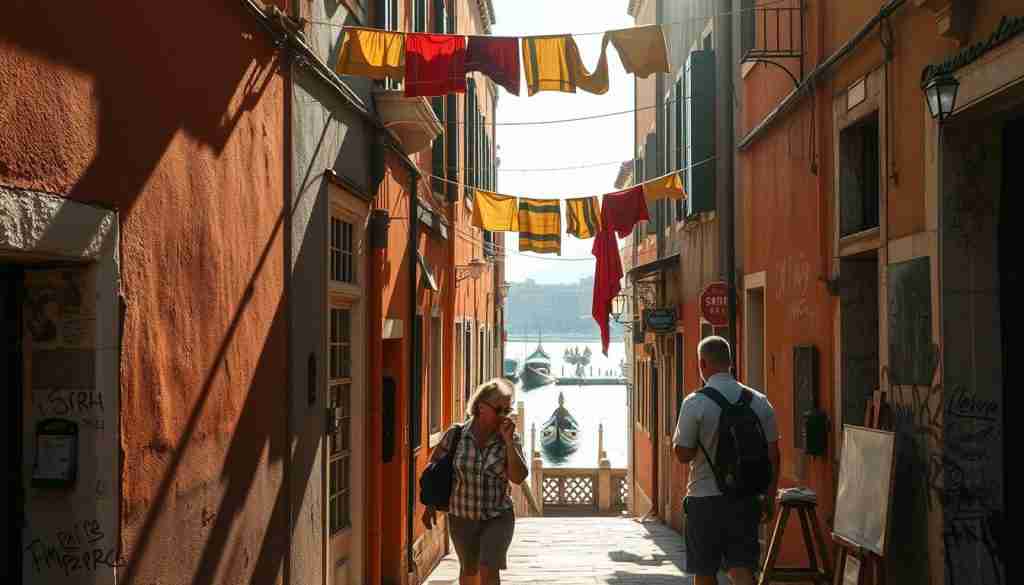
Wandering through quiet streets during early morning hours provides unique insights. Visitors observe residents shopping at local markets and children playing in neighborhood squares.
This part of the urban experience transforms typical sightseeing into genuine cultural immersion. Taking time to explore these areas rewards travelers with unforgettable memories.
The best way to discover hidden gems involves intentional wandering without strict schedules. Many wonderful things reveal themselves to those who embrace spontaneous exploration.
Local people appreciate visitors who respect their community spaces. The entire city becomes more accessible when travelers venture beyond the main tourist corridors.
| Neighborhood | Atmosphere | Best Time to Visit | Key Discoveries |
|---|---|---|---|
| Cannaregio | Residential tranquility | Early morning | Local bakeries, quiet canals |
| Castello | Maritime heritage | Late afternoon | Historic shipyards, neighborhood bars |
| Dorsoduro | Arts district charm | Evening hours | Hidden squares, architectural details |
These residential corners provide meditative experiences where history feels present in everyday life. The absence of crowds allows for deeper connection with the destination’s true essence.
Island Hopping: Discover Murano, Burano, and Beyond
The Venetian lagoon unfolds its full splendor when visitors venture beyond the main city to explore its surrounding islands. These destinations offer distinct cultural experiences that enrich any itinerary.
Navigating the vaporetto system proves essential for efficient island exploration. ACTV passes provide unlimited access to all lagoon destinations.
Tips for Navigating the Vaporetto Routes
The public boats connect multiple islands with regular schedules. A full day allows visitors to experience several locations without feeling rushed.
Strategic timing enhances these trips significantly. Early morning departures beat crowds while evening returns offer beautiful lagoon views.
What to Buy on Murano and Experience in Burano
Murano’s glass-making tradition spans centuries, though visitors should exercise caution. Authentic pieces appear as intricate wine goblets rather than cheap trinkets.
Burano enchants with rainbow-colored houses and lace-making heritage. The island’s peaceful canals provide perfect photography opportunities.
| Island | Travel Time | Key Experience | Best Visit Time |
|---|---|---|---|
| Murano | 10 minutes | Glass workshops | Morning hours |
| Burano | 45 minutes | Colorful architecture | Late afternoon |
| Torcello | 60 minutes | Byzantine mosaics | Early evening |
| Lido | 15 minutes | Sandy beaches | Summer days |
Independent exploration via public vaporetto ensures freedom from pressure tactics. These islands reveal different aspects of lagoon life that complement the urban experience.
Practical Tips: Local Etiquette and Safety in Venice
Respecting local customs transforms visitors from observers into welcomed guests in this fragile city. Understanding specific rules helps preserve the unique environment while ensuring a smooth experience for everyone.
Dos and Don’ts for a Respectful Visit
Proper street etiquette requires walking on the right and overtaking on the left. This maintains flow through narrow passages where bottlenecks frustrate residents and visitors alike.
Substantial fines enforce behaviors that protect the city’s delicate infrastructure. Prohibited actions include sitting on pavements, swimming in canals, and feeding birds.
Dress codes matter for religious sites and practical comfort. Cover shoulders and knees for church visits, and avoid flip-flops for extensive walking on hard stone surfaces.
Managing Crowds and Avoiding Tourist Scams
With up to 250,000 daily visitors, strategic timing helps avoid the worst crowds. Advance booking provides access to attractions without waiting in long lines.
Pickpockets operate primarily at major sights and on crowded vaporettos. Keep valuables secure and avoid distractions from street game players or individuals offering “free” items.
Consumer protection involves checking menu prices before ordering. Ask about daily specials and watch for items priced by weight to avoid unexpected charges.
| Scenario | Proper Etiquette | Safety Consideration |
|---|---|---|
| Vaporetto Boarding | Let people off first, stash luggage properly | Beware pickpockets in crowded areas |
| Dining Experience | Check menus before ordering | Question unexpected charges on bills |
| Street Navigation | Walk right, pass left, don’t block pathways | Avoid distractions from scam artists |
| Religious Sites | Cover shoulders and knees | Secure belongings in crowded spaces |
Emergency service is available through first aid centers at Piazza San Marco and Piazzale Roma. The number 118 responds to serious medical situations.
These practical tips ensure visitors contribute positively to the city’s preservation while enjoying a safe, respectful experience.
Where to Stay in Venice: Accommodations and Local Stays
Finding the right place to stay involves balancing convenience with authentic neighborhood character. The city’s compact nature means most hotels provide reasonable walking access to major attractions.
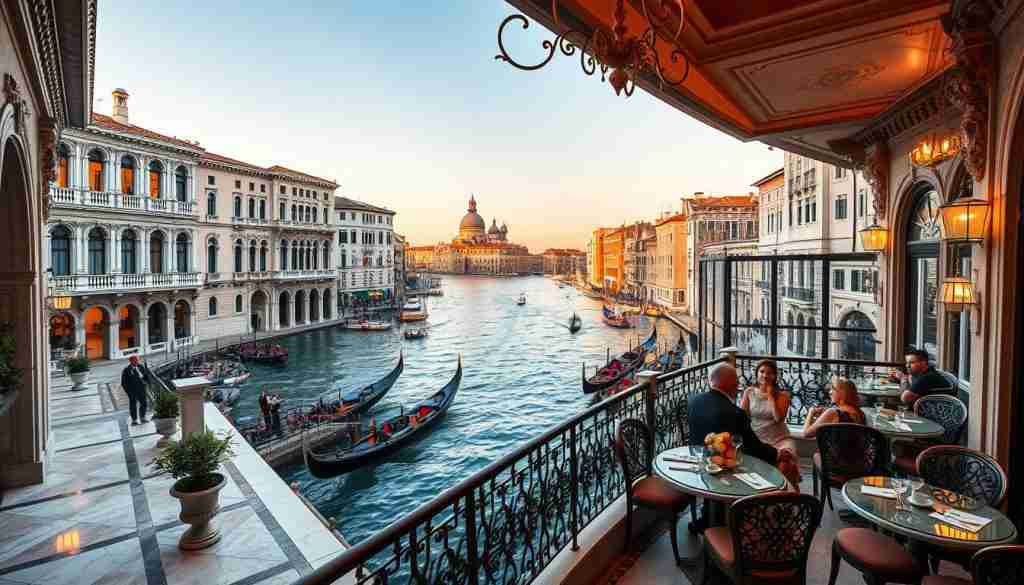
Properties near Piazza San Marco place guests at the heart of tourist activity. However, accommodations in quieter districts offer more residential atmosphere.
Four-star establishments like Maison Venezia provide excellent value with historic charm. Their locations near transportation hubs offer convenience without premium prices.
Five-star hotels such as Hotel Danieli represent grand hospitality traditions. These properties deliver immersive experiences in historic palazzos with prime locations.
Rooms overlooking the Grand Canal command premium rates but offer unforgettable views. The constantly changing waterway scenes create memorable moments.
Booking well in advance ensures availability and better rates. Quality accommodations allow early morning exploration when the city reveals its magic.
The investment in a good hotel pays dividends through convenient locations. Staying in centuries-old buildings becomes part of the cultural experience itself.
Conclusion
The true reward of visiting this remarkable destination comes not from checking items off a list but from absorbing its living essence. Our comprehensive venice travel tips aim to transform a simple vacation into a meaningful connection with a city that demands more than a passing glance.
Investing sufficient time—ideally five to seven days—allows the unique rhythm of the lagoon to become part of your experience. This transforms rushed day-trips into a deep appreciation for the way life unfolds here.
Every visitor plays a part in the future of this fragile home. Choosing authentic businesses over tourist traps is a crucial course of action. These things ensure your visit supports the community.
The magic reveals itself over time, in quiet moments away from the crowds. This incredible experience justifies the planning and becomes a memory that lasts a lifetime.