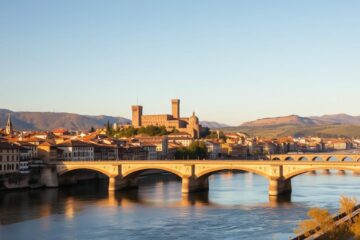
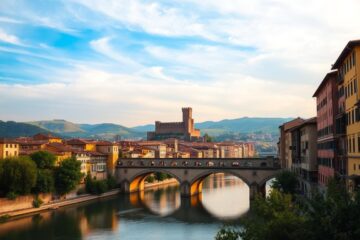
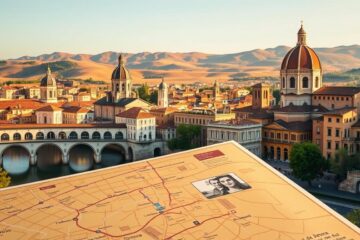
Verona, in northern Italy, is a stunning place where history comes alive. It’s known for its amazing historical sites and landmarks. In 2000, it was named a UNESCO World Heritage Site, showing its rich history of over 2,000 years.
Verona’s attractions show off incredible architecture. You’ll see ancient Roman buildings, medieval castles, and Renaissance palaces. Every stone here has a story of art and history.
Walking in Verona feels like walking through a museum. Each corner has architectural wonders that have seen centuries of history. The city’s deep culture offers a unique experience for those wanting to dive into Italy’s history.
Key Takeaways
- UNESCO World Heritage Site since 2000
- Over 2,000 years of continuous historical development
- Exceptional blend of Roman, Medieval, and Renaissance architecture
- Remarkable preservation of historical landmarks
- Rich cultural landscape with diverse architectural styles
An Introduction to Verona’s Rich History
Verona is a treasure trove of history in northern Italy. This city has seen many civilizations leave their mark. From ancient Romans to medieval times, Verona’s buildings tell a story of change and growth.
Unveiling Verona’s Historical Significance
Verona’s story began in the Neolithic era, with the first people settling on San Pietro hill. Its location made it valuable to many cultures. Key moments include:
- Founded as a Roman colony in 89 BCE
- Elevated to municipal status in 49 BC
- Population exceeded 25,000 in the imperial era
- Conquered by Charlemagne in 774 CE
Pivotal Historical Eras
The city’s history is marked by significant periods of rule. These eras are reflected in its monuments:
- Roman Period (89 BCE – 476 CE)
- Ostrogothic Kingdom (493-553 CE)
- Della Scala Family Rule (1260-1387)
- Venetian Dominion (1405-1797)
Why History Enthusiasts Are Drawn to Verona
“Verona is not just a city, it’s a living chronicle of human civilization.” – Local Historian
History lovers can’t resist Verona’s charm. The city’s monuments take you back in time. From the Roman Arena to medieval castles, each building has a story to tell.
The Arena di Verona: A Roman Marvel
In the heart of Verona, the Arena is a stunning example of Roman architecture. This ancient amphitheater has seen nearly two millennia of history. It’s one of the most impressive Verona ancient ruins that draws visitors worldwide.
From 30 AD, the Arena di Verona shows Roman engineering and cultural importance. It was built for gladiatorial contests and public shows. Back then, it could hold up to 30,000 people.
Historical Construction and Architectural Marvel
The Arena’s design is a testament to Roman architectural prowess:
- Constructed in the first century AD
- Features 50 levels of seating
- Survived significant historical events, including a 1117 earthquake
- Located in Piazza Bra, Verona’s largest square
Modern-Day Performances and Cultural Significance
Today, the Arena is a hub for cultural events. It hosts the summer opera festival since 1913. The festival draws over 500,000 people, making Verona sightseeing unforgettable.
Visitor Information and Tips
Planning to visit this historical site? Here are some helpful tips:
- Current seating capacity: Approximately 15,000 spectators
- Ticket prices range from €20 to €200
- Closest public transport: Bus numbers 11 and 12 (Piazza Bra stop)
- Walking distance to other historical sites like Juliet’s House
The Arena di Verona is more than a historical site. It’s a living piece of culture that inspires and amazes people from all over.
Juliet’s House: A Nod to Shakespearean Romance
In the heart of Verona, Juliet’s House is a symbol of love from literature. It’s a key spot for those exploring Verona. Thousands visit to feel the magic of Romeo and Juliet’s love.
The Legend Behind the Walls
The house isn’t directly from Shakespeare’s Romeo and Juliet. Yet, it’s a powerful symbol of love. It links literary myths with real architecture. The famous balcony is a must-see for romantics worldwide.
Architectural Treasures
The 13th-century building is a marvel of medieval architecture:
- Gothic-style windows with detailed stone
- Authentic medieval brick walls
- The legendary balcony that inspired many
- Interior rooms with period furnishings
Visitor Experience and Traditions
Visitors enjoy special traditions at Juliet’s House:
- Touching Juliet’s statue for luck in love
- Writing love notes on the courtyard walls
- Photographing the iconic balcony
- Seeing exhibits on Romeo and Juliet
“For never was a story of more woe than this of Juliet and her Romeo” – William Shakespeare
Juliet’s House draws about 1.5 million visitors each year. It’s a place of romance and history in Verona’s heart.
Piazza delle Erbe: The Heart of Verona
Piazza delle Erbe is at the heart of Verona, showing the city’s rich history. It’s part of Verona’s UNESCO World Heritage Site. Visitors can explore centuries of culture here.
Historical Background of the Square
The square was once the Roman forum. For over two millennia, it’s been a hub of social and economic life. It has changed a lot over Verona’s history.
Key Attractions in the Piazza
The square is filled with historical landmarks:
- Madonna Verona Fountain (dating back to 380 A.D.)
- Lamberti Tower
- Palazzo Maffei
- Marble capital with medieval measurement units
Best Times to Visit for Local Culture
Plan your visit to Verona’s historical sites wisely:
- Early morning visits avoid tourist crowds
- Daily market provides a glimpse into local life
- Evening hours offer a magical atmosphere with illuminated historical buildings
The north side of the square is lively with bars and restaurants. It mixes historical charm with modern vibes. Piazza delle Erbe is a must-see for anyone interested in Verona’s history.
Castelvecchio: A Fortress with a History
In the heart of Verona, Castelvecchio is a key part of the city’s rich history. Built from 1354 to 1376, it’s a major landmark that tells Verona’s story. This medieval fortress is a symbol of the city’s architectural heritage.
Cangrande II della Scala built the castle to protect Verona from rivals like Venice and the Gonzaga family. It has seven towers and four main buildings. This made it a strong military complex in the medieval era.
Architectural Highlights of Castelvecchio
The fortress is known for its impressive medieval design:
- High defensive walls
- A deep protective moat
- Multiple towers for observation
- Beautiful stone masonry in the Gothic style
Museums and Exhibitions Inside
Now, Castelvecchio is a top museum in Verona. It has:
- Medieval and Renaissance sculptures
- Ancient bronze bells
- Beautiful jewelry
- Historical weapons and armor
Artists like Pisanello, Andrea Mantegna, and Paolo Veronese are featured. Their works take you on a journey through Verona’s art history.
Scenic Views from the Castle
Since 2007, visitors can walk the restored patrol walkways. They offer stunning views of Verona. The castle’s location gives a unique view of the city, making it a favorite spot for history lovers and architecture fans.
The Basilica of San Zeno: Architectural Splendor

In the heart of Verona, the Basilica of San Zeno is a stunning example of Romanesque architecture. It shows the skill of medieval craftsmen and its deep spiritual meaning. It’s dedicated to Saint Zeno, Verona’s patron saint, making it a key stop on cultural tours.
Significance in Local Culture
The basilica’s history goes back to the 9th century. It has been rebuilt several times, showing its strength. Important moments include:
- Destroyed by Hungarians in the early 10th century
- Rebuilt under King Pepin of Italy’s request
- Reconstructed with support from German Emperor Otto I in 967
- Survived a significant earthquake in 1117
Notable Artwork within the Basilica
The basilica is home to incredible art that attracts visitors worldwide. The San Zeno Altarpiece, made by Andrea Mantegna from 1456 to 1459, is a highlight of Renaissance art. Some notable features include:
- 48 intricate bronze panels from the 10th and 12th centuries
- A crypt supported by 49 columns with unique capitals
- A 72-meter bell tower constructed between 1045 and 1173
- The historic “Figar” bell dating back to 1149
Special Events and Services
Those planning cultural tours in Verona should know the basilica’s hours:
- March to October: 8:30 AM to 6:00 PM daily
- November to February: 10:00 AM to 5:00 PM
- Sunday access restricted due to morning religious ceremonies
- Admission: 6 euros (free with Verona Card)
“A masterpiece of Romanesque architecture that speaks volumes about Verona’s rich cultural heritage.” – Local Art Historian
Torre dei Lamberti: A Tower with a View
The Torre dei Lamberti stands tall in Verona’s heart. It’s a must-see for anyone exploring the city. From its height, you can see the whole city, making it a top spot for sightseeing.
Historical Background of the Medieval Tower
Built in 1172 by the Lamberti family, this tower is a key part of Verona’s history. It’s the tallest building in Verona, reaching 84 meters. The lower part, made of tuff and bricks, shows off medieval building skills.
Climbing the Tower: What to Expect
There are two ways to get to the top:
- Climbing 368 stone steps
- Using a paid lift
The tower isn’t wheelchair friendly because of all the steps. It has two historic bells, Marangona and Rengo, used to signal important events.
Photography Tips from the Top
The view from the top is perfect for photos. Here’s how to get the best shots:
- Go during the golden hour for beautiful light
- Use a wide-angle lens for wide views
- Bring a tripod for sharp photos
| Visitor Information | Details |
|---|---|
| Opening Hours | Tuesday-Sunday: 10 am to 6 pm, Weekends: 11 am to 7 pm |
| Entrance Fees | Adults: €8, Seniors: €5, Children under 7: Free |
| Accessibility | Not wheelchair accessible, lift available |
Visiting the Torre dei Lamberti is a memorable experience. It’s a great way to dive into Verona’s history during your city tour.
The Roman Theatre: Ancient Performances and Plays
Verona’s Roman Theatre is a gem along the Adige River. It shows the city’s deep history. It’s a key spot for history walks and exploring ancient ruins.
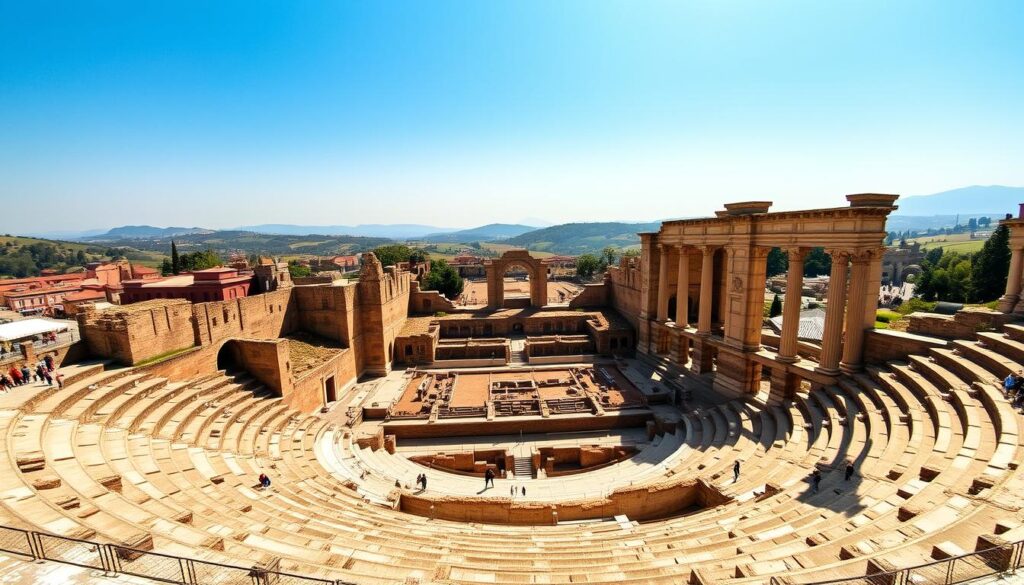
The theatre dates back to the late 1st century BC. It’s a marvel of Roman engineering. The site was built with great skill, even reinforcing the River Adige’s bank.
Fascinating Historical Overview
The theatre’s story is as fascinating as its design. Excavations from 1834 to 1844 uncovered much of it. Thirty houses were torn down to expose the ancient stage.
- Original construction date: Late 1st century BC
- Potential spectator capacity: Up to 6,000 people
- Significant restoration periods: Early 19th century
Modern Cultural Significance
Now, the Roman Theatre is part of the Museo Archeologico Teatro Romano complex. It offers a deep dive into Verona’s past. Visitors can see stunning views of the city and the Adige River.
Visiting and Exploring the Site
Guided tours are available for those interested in the theatre’s history. The site is easy to navigate, even for those with mobility issues. It’s a chance to see this historical gem up close.
| Visitor Information | Details |
|---|---|
| Location | Verona, Italy |
| Tour Duration | Approximately 60 minutes |
| Accessibility | Wheelchair-friendly paths |
| Best Time to Visit | Spring and Early Autumn |
“Walking through the Roman Theatre is like stepping back in time, experiencing the cultural heartbeat of ancient Verona.” – Archaeological Preservation Society
Piazza dei Signori: Elegant Urban Design
In the heart of Verona, Piazza dei Signori is a stunning example of the city’s architecture. This square shows off Verona’s grand history. It has amazing buildings from many different times, each telling its own story.
Historical Significance of the Piazza
Piazza dei Signori has been important since medieval times. It was the center of Verona’s politics. Today, it’s a living museum of architecture, showing how the city has changed over time.
Key Landmarks Surrounding the Piazza
- Palazzo della Ragione: One of the oldest public buildings in Italy, constructed in the mid-1100s
- Loggia del Consiglio: A refined Renaissance architectural gem
- Statue of Dante Alighieri: Erected in 1866, commemorating the famous poet
- Scaliger Palaces: Showcasing Gothic architectural brilliance
Suggested Activities Near the Piazza
There’s a lot to do around Piazza dei Signori. You can see amazing buildings, try local food, and enjoy the lively atmosphere. It’s perfect for those who love taking pictures of beautiful places.
A veritable museum of architecture, Piazza dei Signori showcases over two thousand years of Verona’s rich historical narrative.
Exploring Piazza dei Signori shows why it’s a top spot for those who love history and architecture. It’s a place that truly captures the essence of Verona.
The Porter of Verona: A Symbol of Strength
In Verona’s historic streets, the Porter statue stands tall. It honors the city’s working-class heritage. This monument shows the strength and resilience of the local culture. Visitors on Verona cultural tours often find this gem near the ancient center.
The statue is more than a historical figure. It symbolizes Verona’s hardworking people. It tells a story of determination and pride. The Porter’s detailed craftsmanship shows the city’s industrial roots and cultural identity.
Historical Roots of the Porter
- Represents Verona’s working-class community
- Located near significant historical landmarks
- Sculpted to honor manual laborers
- Reflects the city’s economic history
Artistic Interpretation
The statue’s art is remarkable. Muscular posture and detailed anatomy show workers’ strength. Sculptors have added dignity to labor through artistic details.
| Artistic Element | Significance |
|---|---|
| Muscular Physique | Represents physical strength |
| Facial Expression | Conveys determination |
| Posture | Symbolizes resilience |
Photography Tips
Getting the perfect shot of the Porter needs planning. The best light is in mid-morning or late afternoon. It highlights the statue’s details. A cultural walking tour offers tips on the best spots.
- Use natural light for best results
- Capture side profile for dramatic effect
- Include surrounding architectural context
- Experiment with different perspectives
Exploring Verona Off the Beaten Path
Verona has more to offer than just the usual tourist spots. It invites those who love adventure to find hidden treasures. These secret sites show the city’s rich culture, revealing things most visitors miss.
Verona history walks can turn a simple trip into an amazing journey. They lead you to hidden gems in quiet streets and corners.
The Pozzo dell’Amore (Well of Love) is a magical find in the city’s heart. Nearby, Via Sottoriva offers a beautiful walk with medieval buildings. Off the main paths, you’ll find places like the Arco Della Costa, with a mysterious whale rib since the 1700s.
Local tips suggest visiting the Roman Theatre near Ponte Pietra. It’s a hidden gem with a rich history. The Giardino Giusti is also a must-see, with its stunning Italian renaissance garden for just €10.
Getting a Verona Card can help you explore more. It gives free or discounted access to many attractions. Comfortable walking tours make sure everyone can enjoy Verona’s hidden history.