Nestled in Italy’s Lombardy region, this remarkable city offers an extraordinary travel experience. Surrounded by three artificial lakes, its history as a Renaissance powerhouse is visible at every turn.
Once the seat of the powerful Gonzaga family, the urban center boasts UNESCO World Heritage status. Its compact nature means visitors can explore world-class palaces and piazzas entirely on foot. This makes for a deeply satisfying and manageable trip.
Our approach to organizing your visit emphasizes a perfect blend of structured cultural discovery and spontaneous enjoyment. You can immerse yourself in artistic masterpieces while still finding time for leisurely lakeside strolls.
The destination stands as a captivating hidden gem. It provides the cultural richness of more famous Italian spots without the overwhelming crowds. This allows for a more intimate and authentic encounter with la dolce vita.
Key Takeaways
- Mantua is a UNESCO World Heritage Site renowned for its Renaissance art and architecture.
- The city’s compact size makes it ideal for exploring on foot over one to two days.
- Its location between Venice and Bologna offers excellent access for touring northern Italy.
- Visitors can experience high culture without the large crowds of more famous destinations.
- Strategic planning ensures a balanced trip of scheduled tours and spontaneous discovery.
- The city was designated the European Capital of Gastronomy, highlighting its culinary excellence.
Introduction to Mantua’s Rich Cultural Heritage and Luxury
For nearly four centuries, the Gonzaga dynasty shaped this city into a beacon of Renaissance culture. Their enlightened rule attracted the finest artists, musicians, and architects of the era.
Overview of Mantua’s Historical Significance
The Gonzaga family’s patronage across four centuries left an indelible mark. They commissioned magnificent palaces and supported groundbreaking artists, creating a concentrated hub of artistic innovation.
This legacy is deeply intertwined with global culture. The Roman poet Virgil was born nearby, and composer Claudio Monteverdi premiered his opera L’Orfeo here. Even Shakespeare immortalized the location by sending Romeo into exile in Mantua.
Setting the Stage for a Culturally Immersive Experience
The city’s architecture itself narrates a story of artistic evolution. Visitors encounter a visual timeline from Romanesque churches to Baroque embellishments.
This rich history provides the foundation for a deeply rewarding luxury vacation. True enrichment comes from engaging intimately with world-class art in an unhurried, authentic setting.
Expert Mantua Vacation Planning Tips
The key to unlocking this destination’s treasures lies in thoughtful scheduling that honors both its artistic legacy and contemporary charm. Our approach emphasizes creating rhythm rather than rigid schedules.
How to create a balanced itinerary covering art and luxury
Allocating two full days allows for proper appreciation of major sites while preserving moments for unexpected discoveries. A single day visit provides only a surface-level experience.
Morning hours are ideal for palace visits when energy and light are optimal. Afternoons suit leisurely exploration of smaller attractions and local cafes. This balanced approach prevents cultural fatigue.
| Itinerary Type | Major Sites Covered | Spontaneous Time | Dining Experience |
|---|---|---|---|
| 1-Day Visit | Ducale Palace only | Limited | Rushed meals |
| 2-Day Ideal | Both major palaces | Ample flexibility | Leisurely dining |
| Luxury Extended | All major sites + hidden gems | Generous discovery time | Multiple culinary experiences |
The best journeys balance scheduled marvels with unscheduled moments of wonder.
The Mantua City Card offers excellent value at €25, covering twelve attractions. This smart planning tool eliminates ticket queues and enhances your cultural immersion.
Remember that some of the most memorable things Mantua offers emerge spontaneously. Leave room for unexpected encounters with local life and architecture.
Exploring Iconic Historical Landmarks
Visitors encounter living history through architectural masterpieces that have witnessed centuries of cultural evolution. These structures represent the pinnacle of Renaissance achievement and Gonzaga ambition.
The Grandeur of the Ducale Palace and Palazzo Te
The Palazzo Ducale stands as Europe’s sixth-largest palace, with over 500 rooms forming a city within the city. Its sheer scale demonstrates Gonzaga power across four centuries of rule.
Andrea Mantegna’s Camera degli Sposi features breathtaking frescoes with an illusionistic ceiling oculus. Painted figures appear to lean over a balcony, creating intimacy across five centuries.
Giulio Romano designed Palazzo Te as a pleasure palace with spectacular mythological scenes. The Chamber of the Giants immerses visitors in Ovid’s narrative with frescoes covering every surface.
Discovering the Legacy of Rotonda di San Lorenzo and the Clock Tower
Piazza Sordello serves as the historic heart, where the ducal palace and cathedral create an imposing ensemble. This square has witnessed centuries of political life.
The Clock Tower in Piazza delle Erbe represents 15th-century technological sophistication. Its astronomical mechanism has tracked celestial movements since 1473, recently restored to working order.
Exploring these landmarks in sequence provides comprehensive understanding of Gonzaga expression through architecture. Begin with the formal palace grandeur before experiencing Palazzo Te’s playful splendor.
Immersive Cultural Attractions and Art Venues
The 18th century left an indelible mark on the city through architectural gems that continue to inspire visitors today. These cultural spaces offer intimate encounters with historical artistry beyond the more famous Renaissance sites.
Visiting Teatro Scientifico and Biblioteca Teresiana
Among the most rewarding things Mantua offers culturally curious travelers is the Teatro Scientifico Bibiena. This exquisite Baroque theater features a bell-shaped auditorium with breathtaking acoustic perfection.
The theater’s interior represents the pinnacle of 18th-century stage architecture. Ornately decorated boxes create an elegant social space where a young Mozart performed in 1770.
Just steps away, the Biblioteca Teresiana provides a completely different experience. This historic library transports visitors into perfectly preserved 18th-century reading rooms.
The library’s wood-paneled interior houses over 20,000 rare volumes and manuscripts. These buildings demonstrate how the city served as a center for both performing arts and intellectual inquiry.
Practical considerations enhance your visit. The theater charges €3 admission while library entry requires joining hourly guided tours. Both buildings offer intimate encounters with cultural heritage in uncrowded settings.
For those seeking deeper immersion, these historic rooms and spaces rank among the essential things Mantua presents to discerning travelers. They complement the grand palaces with more personal artistic experiences.
Architectural Marvels: Churches and Cathedrals>
From ancient Romanesque foundations to Renaissance masterpieces, the city’s sacred spaces offer a chronological journey through Italian art history. These ecclesiastical buildings represent different centuries of spiritual expression and architectural innovation.
Highlights of Basilica di Sant’Andrea and Mantua Cathedral
The Basilica di Sant’Andrea stands as a crowning achievement of 15th-century Renaissance design. Leon Battista Alberti’s creation features a monumental facade and soaring barrel-vaulted interior that revives classical Roman principles.
This remarkable church safeguards one of Christianity’s most sacred relics—the Preziosissimo Sangue di Cristo. The vial containing the Holy Blood draws pilgrims during Good Friday processions that have continued for centuries.
The Mantua Cathedral in Piazza Sordello presents a fascinating architectural timeline. Originally constructed in the late 14th century, it underwent Renaissance redesign by Giulio Romano after a 16th-century fire.
The Rotonda di San Lorenzo holds the distinction of being the oldest church in the area, dating to the 11th century. Its circular layout sits atop ancient Roman foundations, visible below modern street level in Piazza delle Erbe.
Exploring these three sacred sites provides visitors with a comprehensive understanding of ecclesiastical architecture across nearly ten centuries. Each building reflects the artistic priorities of its era while contributing to the city’s rich spiritual heritage.
Relaxing Getaways: Lakes, Gardens, and Palaces
Beyond the magnificent palaces and churches lies a tranquil network of waterways that provides the perfect counterpoint to cultural exploration. These natural spaces offer visitors refreshing breaks from indoor attractions.
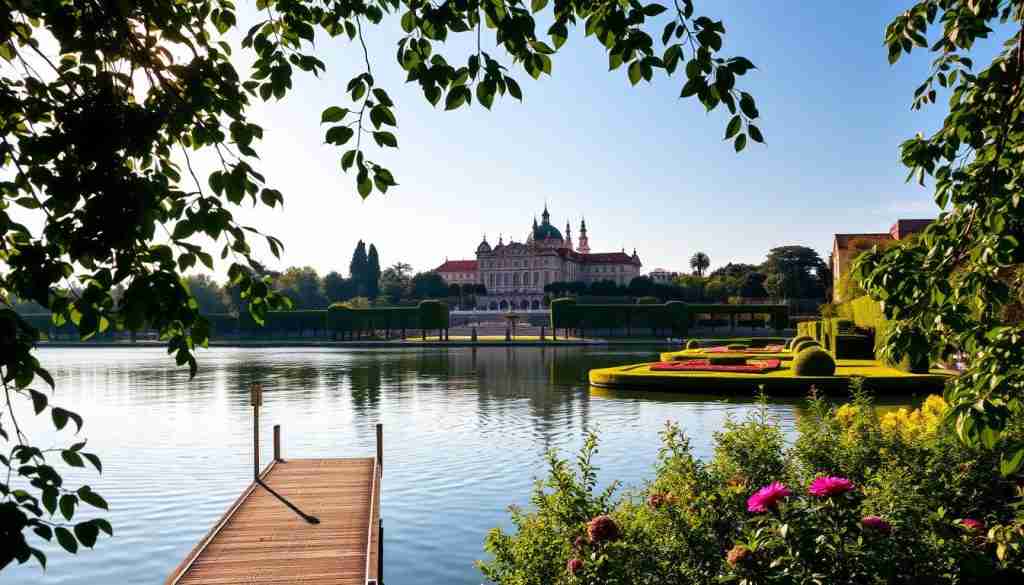
Lakeside walks and serene garden escapes
The three artificial lakes surrounding the city create a unique island setting. Created in the 12th century as a defensive system, they now offer beautiful walking paths with stunning views.
Summer visitors enjoy the spectacular lotus flower blooms that cover the water’s surface. The pink and white blossoms create an unexpected visual experience that feels almost tropical.
The Peschiera-Mantova Cycle Path provides an exceptional way to explore the broader landscape. This 50-kilometer route follows the Mincio River all the way to Lake Garda.
Even travelers with limited time can enjoy these natural spaces. The waterfront is always just a short walk from the historic center.
Piazza Virgiliana offers a lovely park setting within the city itself. This green space provides a peaceful retreat where visitors can relax beneath mature trees.
These natural areas serve as an essential part of the overall experience. They allow travelers to process cultural discoveries while enjoying simple pleasures of water and open sky.
Culinary Journey: Traditional Dishes and Local Treats
Beyond the artistic masterpieces lies an equally compelling culinary tradition that provides deep insight into local life and history. The city’s designation as European Capital of Gastronomy reflects its exceptional food culture.
Savoring pumpkin tortelli and Mantuan desserts
Pumpkin tortelli stands as the signature dish, featuring delicate pasta pockets with sweet roasted pumpkin, amaretti cookies, and mostarda. This unique sweet-savory combination surprises first-time visitors.
Traditional restaurants like Osteria La Bottega serve authentic pumpkin tortelli preparations. Reservations are essential at these popular establishments.
The dessert tradition offers equally distinctive treats. Sbrisolona is a crumbly almond cake traditionally broken by hand. Torta Elvezia showcases sophisticated pastry-making with almond paste and meringue layers.
| Dining Experience | Signature Offerings | Best For | Reservation Need |
|---|---|---|---|
| Traditional Restaurants | Pumpkin tortelli, risotto | Evening meals | Essential |
| Local Cafes | Pastries, espresso | Morning breaks | Walk-in friendly |
| Gelaterias | Artisanal gelato | Evening strolls | Not required |
Exploring local cafes and bakeries
Casual eateries provide an authentic way to experience daily life. Bakery Freddi offers grab-and-go pastries for morning stops.
Traditional bars serve espresso where locals gather. Ortika provides international brunch options for travelers seeking familiar breakfast things.
This guide emphasizes that food represents cultural immersion. Understanding local ingredients and traditions complements artistic discovery.
Hidden Gems: Quaint Streets and Authentic Local Vibes
The authentic pulse of daily life beats strongest in the charming alleyways and vibrant public squares that connect historic landmarks. These spaces offer genuine cultural encounters beyond formal tourist attractions.

Off-the-beaten-path discoveries in Mantua’s alleys and piazzas
Piazza delle Erbe serves as the city’s most lively public square. Morning markets fill the space with fresh flowers and local produce. The atmosphere contrasts beautifully with the more formal Piazza Sordello nearby.
The clock tower dominating the square contains a remarkable astronomical clock from the 15th century. Built in 1473 by mathematician Bartolomeo Manfredi, this sophisticated instrument tracks celestial movements and zodiac positions.
At the opposite end of the square, the colorful Merchant House showcases Venetian Gothic architecture. This 15th-century building demonstrates architectural cross-pollination between northern Italian city-states.
Wandering beyond the main squares reveals the Loggia delle Pescherie di Giulio Romano. This 16th-century riverside arcade once housed fish markets beneath graceful arches.
| Square Feature | Piazza delle Erbe | Piazza Sordello | Hidden Alleys |
|---|---|---|---|
| Primary Atmosphere | Vibrant market life | Formal grandeur | Intimate discovery |
| Architectural Style | Mixed centuries | Renaissance focus | Local character |
| Best Time to Visit | Morning markets | Quiet afternoons | Leisurely exploration |
These hidden corners reward travelers who explore beyond major monuments. The city’s true character emerges in these authentic spaces where daily life continues largely unchanged.
Insider Travel Tips for First-Time Visitors
First-time visitors will discover that the journey to this cultural gem is part of its unique charm, with multiple accessible routes from major Italian hubs. Our guide helps travelers navigate the logistics smoothly.
Transportation options: Trains, cars, and buses
Getting to this destination requires planning your arrival through nearby cities. Verona offers the closest airport connection, just 45 minutes away by train. Bologna provides another excellent gateway.
The efficient Italian rail system makes train travel ideal. Direct services connect from major cities like Milan, Florence, and Venice. The station sits just ten minutes from the historic center.
Travelers preferring a car rental will find well-maintained highways connecting to surrounding areas. This option allows for easy day trips to Lake Garda and the countryside.
Navigating local customs and practical advice
Understanding parking logistics saves considerable time. White-lined areas offer free parking, while blue-lined spaces require payment. Look for the crossed-hammers symbol indicating free Sunday parking.
Budget-conscious travelers appreciate the excellent value compared to larger cities. Restaurant meals and accommodations cost significantly less than in Milan or Florence.
Practical advice includes respecting afternoon riposo hours when shops close. Dress modestly for church visits with covered shoulders and knees. Restaurants serve during specific time windows rather than continuously.
The Omio app simplifies booking train and bus tickets for your Italian trip. This tool helps find economical fares when visiting multiple cities.
Luxury & Cultural Accommodation Options
Luxury accommodations blend seamlessly with cultural discovery, allowing guests to inhabit the very spaces that shaped centuries of artistic legacy. The selection process becomes an extension of the travel experience itself.
Staying in boutique hotels and historic palazzos
The Grand Hotel San Lorenzo offers prime positioning in Piazza delle Erbe. Its rooftop terrace provides sunset views with cocktail service included.
Palazzo Castiglioni represents the pinnacle of luxury in a 13th-century palace. Guests wake to views of Piazza Sordello from elegant rooms.
Intimate options like Palazzo Arrivabene feature original frescoes. These building conversions offer authentic palazzo living with modern comforts.
Booking tips tailored for US travelers
American visitors should note European hotel rooms often have smaller dimensions. They compensate with architectural character and historic ambiance.
True luxury travel means sleeping where history happened, not just visiting it by day.
Booking 60-90 days ahead secures better rates and preferred room categories. This is especially important for properties with limited premium inventory.
| Accommodation Type | Best For | Booking Timeline | Unique Feature |
|---|---|---|---|
| Luxury Palace Hotels | Special occasions | 90+ days advance | Original frescoes |
| Boutique B&Bs | Authentic experience | 60 days advance | Intimate scale |
| City Center Hotels | Convenience | 30 days advance | Walkable locations |
The compact nature of the city means most properties place visitors within easy walking distance. Even budget options near the station offer convenient access.
Choosing accommodations becomes an essential part of crafting the perfect travel experience. Each day begins and ends immersed in historic surroundings.
Conclusion
A journey through this UNESCO World Heritage site offers more than just sightseeing—it provides a profound connection to centuries of artistic innovation. The Gonzaga family‘s remarkable patronage created a legacy that continues to enrich every visitor’s experience.
From the magnificent frescoes by masters like Giulio Romano to the soaring architecture of the Basilica Sant’Andrea, the city presents an extraordinary range of cultural treasures. These historic buildings and sacred spaces, including the ancient church structures, form an essential part of what makes this destination so compelling.
The best way to experience these remarkable things Mantua offers is through a balanced approach. Allow time for both grand palace explorations and quiet moments enjoying lakeside views. This thoughtful trip structure ensures deep cultural immersion without exhaustion.
Ultimately, this remarkable city demonstrates how authentic Italian experiences thrive beyond crowded tourist centers. It rewards travelers seeking genuine connections with art, history, and local life in an unhurried, accessible setting.


