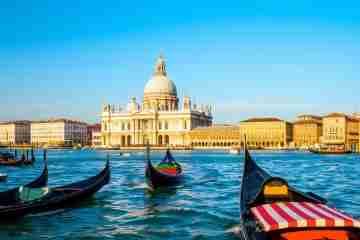
Venice stands as one of the world’s most captivating destinations, where art, history, and romance converge on a network of shimmering canals. This floating masterpiece offers an unforgettable experience that blends centuries of culture with breathtaking beauty.
Our comprehensive guide provides expert insights designed to help visitors navigate this remarkable city with confidence. We focus on helping travelers avoid common pitfalls while discovering authentic Venetian culture that lies beyond the typical tourist paths.
From the grandeur of historic palaces to the intimate charm of hidden bacari serving traditional cicchetti, this destination offers layers of discovery. Understanding how to balance must-see landmarks with off-the-beaten-path neighborhoods allows for a richer experience.
Our resource synthesizes local knowledge, practical logistics, and cultural context to empower informed decisions. Whether planning a first visit or returning to deepen your connection, this guide provides the tools needed for a meaningful journey.
Key Takeaways
- Venice offers a unique blend of art, history, and romance across its canal network
- Expert guidance helps navigate both iconic sights and hidden local gems
- Balancing popular landmarks with authentic neighborhoods enhances the experience
- Practical logistics and cultural insights ensure a smoother, more meaningful visit
- Local knowledge helps visitors respect the delicate balance between tourism and community life
- The city rewards those who venture beyond obvious tourist circuits
- Proper planning transforms a simple trip into a deeply cultural adventure
Introduction: Embarking on Your Venetian Adventure
This floating city has welcomed international visitors for centuries, transforming from a maritime empire to a cultural treasure. For over 900 years, it served as an international hub, with tourism becoming integral since the 1600s. Venetians creatively pivoted from declining trade dominance by developing sophisticated hospitality industries.
Embarking on an adventure here requires a fundamental shift in mindset. This is a place unlike any other on earth, built entirely on water. First-time visitors often arrive with romantic preconceptions, but the reality reveals itself gradually to those who invest adequate time.
| Aspect | Quick Visit (1 Day) | Extended Stay (3+ Days) |
|---|---|---|
| Discovery Depth | Superficial landmarks only | Hidden treasures and local rhythm |
| Cost Efficiency | Higher daily expense | Better value accommodations |
| Crowd Management | Peak hours unavoidable | Flexible timing options |
| Overall Satisfaction | Frustration and rush | Organic, meaningful experience |
The way you approach this city significantly impacts your journey. Setting realistic expectations about crowds and logistics enables focus on the extraordinary. Understanding the historical context helps visitors appreciate their role in the city’s continuing story.
This framework establishes the foundation for a respectful, enriching experience that honors the delicate beauty of this unique destination while providing confident navigation through its 118 islands.
Venice: A City of Timeless Art and History
Centuries of maritime prosperity created an unparalleled concentration of artistic treasures throughout the city’s canals and piazzas. This remarkable place functions as an open-air museum where every corner reveals another layer of cultural history.
Cultural Heritage and Architecture
The architectural heritage represents a visual symphony spanning Byzantine, Gothic, Renaissance, and Baroque influences. Each building tells a story of artistic innovation across time.
As a cultural crossroads between East and West, the city developed a unique architectural vocabulary. This blend of traditions created a distinctly Venetian character that continues to captivate visitors from around the world.
Historic Landmarks and Museums
Historic landmarks range from early Byzantine churches to magnificent Renaissance palaces. These structures reveal stories of merchant families, religious devotion, and sophisticated political systems.
Museums house world-class collections from Renaissance masterpieces to contemporary installations. They provide essential context for understanding how this maritime republic influenced European culture.
Preserving this extraordinary heritage presents ongoing challenges with rising waters and tourism pressures. Yet the commitment to maintaining centuries-old buildings ensures future generations can experience this unique art historical landscape.
venice travel recommendations for Unforgettable Experiences
The contrast between a hurried day trip and an extended stay in this aquatic wonderland could not be more dramatic. Many people attempt to see Venice in a single day, only to feel overwhelmed by crowds and maze-like alleyways.
Investing multiple days allows a different side of the city to reveal itself. A week provides ideal time to explore both the main places and nearby islands. Even three days offers a meaningful taste of what makes this destination special.
Top Destinations in the City
Beyond the famous landmarks, vibrant neighborhoods like Dorsoduro and Cannaregio showcase authentic local life. These areas offer fewer tourist crowds and more genuine experiences.
Each district possesses unique character and hidden treasures. Understanding the six sestieri helps visitors navigate confidently while discovering special things in each area.
Tips for First-Time Visitors
Comfortable walking shoes are essential for traversing countless bridges. Carrying a refillable water bottle takes advantage of public fountains throughout the city.
Timing visits to major attractions for early morning or late afternoon avoids peak crowds. This simple strategy transforms the experience of seeing popular sites.
The most memorable moments often happen when you wander without a strict schedule—stumbling upon a local festival or watching artisans at work.
| Experience Factor | Day Trip Approach | Multi-Day Stay |
|---|---|---|
| Crowd Exposure | Peak hours unavoidable | Flexible timing options |
| Discovery Depth | Surface-level sights only | Neighborhood immersion |
| Stress Level | High-pressure rushing | Relaxed exploration |
| Local Connection | Minimal interaction | Meaningful encounters |
Getting lost in the alleyways becomes part of the charm rather than a frustration. Following yellow signs pointing to major areas provides helpful navigation while allowing for spontaneous discovery.
Where to Stay in Venice: Accommodations and Unique Hotels
The selection of lodging plays a crucial role in shaping one’s Venetian journey, with each neighborhood offering distinct advantages. Strategic hotel placement determines daily exploration efficiency and authentic cultural immersion.
Properties range from historic palazzos to contemporary boutique establishments. Each provides unique perspectives on this remarkable destination.
Luxury and Boutique Options
Luxury hotels like Hotel Danieli deliver historic grandeur near San Marco Square. This iconic property features meticulous preservation and exceptional service.
Boutique establishments such as Maison Venezia offer excellent value in the Cannaregio area. They blend modern comforts with traditional architecture just minutes from major attractions.
Hidden Gem Hotels Reviewed
The Santa Chiara Hotel provides rare parking facilities near the train station. Its renovated rooms and deluxe breakfast buffet appeal to practical travelers.
Quiet neighborhood hotels offer personalized service away from tourist crowds. These hidden gems deliver authentic experiences with better value.
Booking well in advance secures optimal rates during peak seasons. Multiple-night stays maximize investment in this extraordinary city.
Dining Delights in Venice: From Cicchetti to Fine Dining
From humble bacari serving cicchetti to Michelin-starred establishments, the culinary landscape offers remarkable diversity. Venetian food culture blends maritime heritage with creative innovation.
Local Food and Seafood Specialties
The Rialto Market operates Tuesday through Saturday, supplying fresh ingredients to local chefs. Venetian cuisine centers on lagoon seafood and Sant’Erasmo island produce.
Traditional dishes feature polenta and rice rather than pizza. Understanding local customs enhances the experience—cappuccino only before 11am.
Best Spots for Cicchetti and Umbra
Cicchetti represents quintessential Venetian food culture. These small plates cost under €20 with ombra (house wine).
Top spots include Al Merca and Bar All’Arco. Locals gather here for authentic experiences. Standing at the bar avoids seating supplements.
| Experience Type | Cicchetti Bars | Fine Dining |
|---|---|---|
| Atmosphere | Casual, social | Elegant, formal |
| Price Range | Under €20/person | €50-150/person |
| Food Style | Small plates | Multi-course meals |
| Best For | Quick, authentic meals | Special occasions |
Fine dining restaurants like Oro Restaurant showcase culinary evolution. They reinterpret traditional flavors with contemporary techniques.
Exploring Venice’s Iconic Attractions
The ceremonial heart of the city unfolds at Piazza San Marco, a breathtaking public square that has served as its political and religious center for centuries. This iconic space, surrounded by magnificent architecture, offers a profound sense of history and scale.
Understanding the layout and best times to visit these landmarks transforms a simple tour into a deeply rewarding experience. Our guidance helps visitors navigate these celebrated sites with confidence.
Piazza San Marco and Rialto Bridge
Piazza San Marco showcases the magnificent Basilica and the elegant Doge’s Palace. Visiting early in the morning or during evening hours allows for appreciation without the peak crowds.
The historic Rialto Bridge spans the Grand Canal at its narrowest point. For centuries, it has been the city’s commercial hub, with its famous market still bustling today.
Savvy visitors enjoy the square’s famous cafes like Florian by standing at the bar, saving significantly compared to seated service. This area sits slightly below sea level, so checking tide forecasts is wise.
Doge’s Palace and Grand Canal Views
Exploring the Doge’s Palace reveals ornate chambers, secret passages, and the famous Bridge of Sighs. Booking tickets in advance saves valuable time spent in queues.
Dramatic Grand Canal views unfold from waterfront restaurants like Ristorante Wildner or a vaporetto ride. This waterway parade of palaces represents centuries of architectural achievement.
Properties like Hotel Danieli offer prime locations mere minutes from these attractions, providing unparalleled access.
| Attraction | Key Experience | Pro Tip |
|---|---|---|
| Piazza San Marco | Architectural grandeur & historical significance | Visit early/late to avoid crowds |
| Rialto Bridge | Commercial hub with vibrant market | Combine with market exploration |
| Doge’s Palace | Art-filled chambers & political history | Book skip-the-line tickets online |
| Grand Canal | Panoramic views of historic palaces | Experience from water and land |
Uncovering Hidden Gems and Off-the-Beaten-Path Areas
Discovering the city’s hidden character requires exploring districts where local rhythms continue undisturbed by tourism. These residential areas offer authentic glimpses into daily Venetian life away from the main tourist circuits.
Dorsoduro presents artistic treasures and the scenic Zattere waterfront. University students gather at casual bars while locals stroll along the canals. This district maintains a peaceful atmosphere despite its cultural attractions.
Cannaregio showcases fascinating contrasts between busy zones and tranquil northern reaches. Historic synagogues tell stories of the Jewish community while neighborhood bacari serve locals. Visitors ‘ll find authentic experiences in these less-crowded places.
Santa Croce contains some of the most atmospheric areas with minimal tourist presence. The way locals go about their daily routines remains largely unchanged here. Architectural details and neighborhood shops reward careful observation.
Getting intentionally lost in labyrinthine alleyways leads to serendipitous discoveries. Artisan workshops, hidden courtyards, and neighborhood churches reveal themselves to curious explorers. This approach transforms the experience of navigating the city.
These off-the-beaten-path areas reward travelers who venture beyond main attractions. They offer connection with living culture rather than museum-like observation. Avoiding peak crowds allows for deeper appreciation of these special places.
The most memorable discoveries often lack famous names or guidebook entries. Personal favorites emerge through spontaneous exploration throughout the city. This spirit of adventure creates cherished memories that define a truly authentic visit.
Island Escapes: Murano, Burano, and Torcello
Beyond the main canals and piazzas, the Venetian lagoon conceals three remarkable islands that reveal different facets of this unique region’s history and craftsmanship. Each destination offers specialized traditions that have defined local culture for centuries.
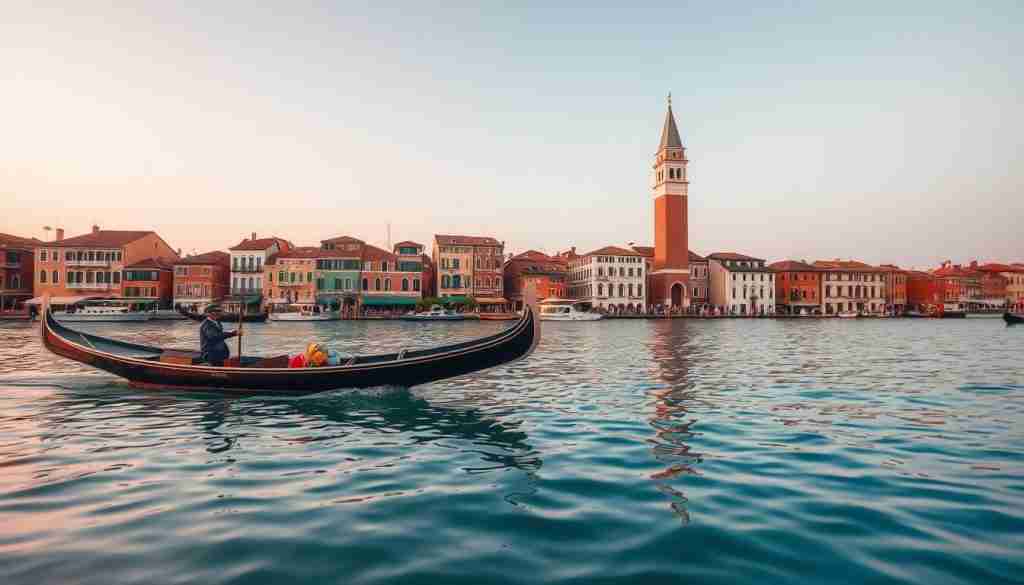
These island escapes provide essential context for understanding how Venice evolved. They showcase artistic heritage that continues to thrive today.
Artisan Glass and Local Crafts
Murano represents one of the world’s most prestigious glassmaking traditions. Master artisans continue techniques developed over generations.
Visitors can observe the mesmerizing process where molten glass transforms into intricate forms. Authentic Murano glass comes from reputable workshops preserving these skills.
Burano captivates with brilliantly painted houses and exquisite lace making. This fishing village maintains traditions that once adorned European aristocracy.
Torcello preserves the lagoon’s earliest settlement history. Its Byzantine mosaics date to the 7th-century founding.
Day Trips and Self-Guided Tours
Exploring these islands can be done through guided tours or independent vaporetto journeys. Self-guided options offer flexibility to experience each location at your own pace.
Planning a full day allows proper appreciation without rushing. Visitors with limited time can prioritize based on interests in glass, lace, or history.
Timing visits for early morning or late evening avoids day tour groups. This strategy enhances the experience of each unique island.
Navigating Venice by Water and Foot
Moving through this unique city requires mastering two distinct modes of transportation: walking its ancient pathways and navigating its historic waterways. With no cars on the islands, visitors must strategically combine these methods based on distance, budget, and desired experience.
Understanding the public water transport system transforms how explorers experience the destination. The ACTV vaporetto network serves as the primary public transit, connecting major stops throughout the city and outer islands.
Vaporetto Tips and Water Taxi Advice
Multi-day vaporetto passes offer excellent value for visitors planning multiple rides. These passes cover all ACTV routes, including service to Murano, Burano, and Torcello.
Validation before boarding is mandatory—hold your RFID pass to the reader until it beeps green. Failure to validate risks substantial fines.
Private water taxis provide VIP convenience at premium prices. These sleek boats access smaller canals, delivering passengers directly to hotel docks.
For efficient navigation, download the CheBateo app for real-time schedules. Some lines reduce service after 9pm, requiring advance planning.
Gondola Rides vs. Traghetto Alternatives
Gondola rides represent the iconic Venetian experience, though primarily romantic rather than practical. Prices typically start around €110 per hour for this memorable ride.
The traghetto offers a functional alternative for crossing the Grand Canal. For approximately €2 per person, these shared gondolas provide similar boat experiences at local prices.
Walking often proves faster than waiting for vaporetto service between central locations. The journey from Piazza San Marco to Rialto takes under 10 minutes on foot.
| Transport Method | Best Use Case | Cost Efficiency |
|---|---|---|
| Vaporetto Pass | Island hopping & longer distances | High (with multi-day pass) |
| Water Taxi | Direct hotel transfers with luggage | Low (premium service) |
| Gondola Ride | Romantic experience & photography | Low (tourist premium) |
| Traghetto Crossing | Quick canal crossing | Very High (local price) |
Practical Tips for a Smooth Venice Visit
Understanding the city’s ticketing systems and transportation schedules ensures visitors spend more time exploring and less time waiting. Strategic planning transforms potential frustrations into seamless experiences throughout your day.
Passes, Tickets, and Timing Your Trips
ACTV vaporetto passes offer flexible durations of 24, 48, 72, or 168 hours from first validation. Always validate before boarding to avoid fines. Advance booking for major attractions saves hours in queues during peak seasons.
Some vaporetto lines cease operation before 9pm. Check the CheBateo app for real-time schedules when planning evening activities. This prevents extended waits at the final stop.
The Daily Access Fee applies to certain peak days for visitors not staying overnight. Use the official website for registration and avoid third-party sites. Understanding these things prevents unexpected charges.
Local customs include wearing gloves in supermarket produce sections and self-weighing items. First aid centers in Piazza San Marco and Piazzale Roma handle minor issues within minutes, while 118 serves emergencies.
Timing visits for early morning or late afternoon avoids crowds. Comfortable shoes and reusable water bottles enhance comfort throughout the day. These small considerations accumulate into significant improvements over multiple days.
Experiencing Venice Like a Local
Navigating the intricate social fabric of this historic destination requires cultural awareness and respectful behavior. The way visitors move through spaces and interact with locals significantly impacts their experience.
Cultural Etiquette and Local Interactions
Pedestrian etiquette proves essential in narrow passageways. Stay to the right and yield quickly to delivery people and residents. Blocking bridges for photos disrupts daily life.
Simple greetings like “Salve” demonstrate respect. Making eye contact and smiling can transform interactions with locals. These small gestures show appreciation for the living city.
Dress conservatively to align with local standards. Avoid beach attire in this sophisticated urban environment. Proper clothing shows respect for churches and restaurants.
| Behavior | Tourist Approach | Local-Friendly Alternative |
|---|---|---|
| Transport Use | Vaporetto as attraction | Respect priority boarding areas |
| Luggage Handling | Dragging wheeled bags | Carrying bags up bridges |
| Dining Customs | Sitting at cafes | Standing at bars to save |
| Public Behavior | Feeding pigeons | Admiring from distance |
Support local businesses rather than international chains. Independent shops and restaurants sustain authentic culture. This approach helps preserve the unique character of this special place.
Following these guidelines creates more meaningful connections with the city and its people. Conscious visitors contribute positively to the community while enjoying richer experiences.
Sustainable and Responsible Tourism in Venice
Responsible tourism represents a critical approach to experiencing this remarkable destination while supporting its long-term survival. The delicate balance between welcoming visitors and preserving local life has become increasingly challenging.
Mass tourism creates significant pressures on the historic urban environment. Large crowds of day-trippers often contribute little to the local economy while straining infrastructure. The 2022 cruise ship ban addressed some concerns, but challenges remain.

Conscious visitors make choices that support authentic community life. Spending at family-run restaurants and artisan workshops helps sustain the economic foundation that allows locals to continue living in their city. This contrasts with purchasing imported souvenirs from street vendors.
The daily access fee for peak-day visitors encourages longer stays that benefit the local economy more meaningfully. This policy helps manage tourist volumes during busiest periods.
Being a responsible tourist means respecting residential neighborhoods and local customs. It involves questioning whether your presence contributes positively to this special place. Sustainable practices demonstrate commitment to preserving the city for future generations.
Understanding that individual choices collectively shape Venice’s future empowers visitors to make decisions that support rather than undermine this irreplaceable destination. The approach transforms a simple visit into a meaningful contribution.
Seasonal Insights: Weather, Crowds, and Best Times to Visit
Strategic planning around weather patterns and visitor volumes unlocks the city’s true potential. Choosing the right time for your visit dramatically impacts the overall experience.
High Season vs. Off-Peak Advantages
From June through September, oppressive heat combines with maximum tourist crowds. Hundreds of thousands of daily visitors can overwhelm narrow streets during peak season.
Summer advantages include extended daylight hours for sightseeing. Warm weather allows beach escapes to the Lido when the city feels overwhelming.
Off-peak periods from November through March offer significantly smaller crowds. More reasonable hotel rates and authentic local experiences characterize these quieter days.
| Season | Weather Conditions | Crowd Levels | Best For |
|---|---|---|---|
| Summer (Jun-Sep) | Hot, humid, sunny | Very high | Beach days, long sightseeing |
| Spring/Fall (Apr-May, Oct) | Mild, pleasant | Moderate | Balanced experience |
| Winter (Nov-Mar) | Cold, possible rain | Low | Authentic local culture |
Spring and fall shoulder seasons provide ideal compromise conditions. Pleasant weather meets manageable crowds during these perfect days for exploration.
Winter reveals a different character with atmospheric fog and cozy local spots. Shorter days require flexible planning but reward with intimate experiences.
The MOSE barrier system now prevents major flooding events. Occasional high tides still affect low-lying areas, creating photogenic rather than problematic conditions.
Planning your tour around major events depends on whether you seek specific experiences or prefer to avoid additional congestion. Each season offers unique advantages for different types of visitors.
A Guide to Venice’s Vibrant Art Scene
The creative spirit of this remarkable place manifests in both grand museums and intimate street corners, offering diverse artistic encounters. Visitors discover an environment where every building and canal tells a story through centuries of creative expression.
Museums, Galleries, and Street Art
The Peggy Guggenheim Collection stands as a modernist treasure in a Grand Canal palazzo. This intimate museum showcases groundbreaking 20th-century art by masters like Picasso and Pollock.
Nearby, the Accademia Gallery preserves Venetian painting masterpieces. The surrounding area rewards exploration with smaller galleries and artistic discoveries.
La Fenice opera house offers both performances and architectural tour opportunities. Its ornate interiors reveal the city‘s musical heritage and luxurious past.
Contemporary interventions provide fascinating counterpoints to historic treasures. Artists use crumbling facades as canvases for social commentary.
A comprehensive art tour balances iconic institutions with spontaneous street discoveries. The Peggy Guggenheim experience complements wandering through creative neighborhoods.
Planning Your Day and Managing the Crowds
Mastering crowd management begins with understanding the rhythm of this unique destination. Early mornings reveal the true character before peak hours arrive. Sunrise along the Grand Canal offers breathtaking moments with minimal congestion.
Strategic timing transforms the experience of popular areas. Visiting major attractions during off-peak hours avoids frustration. This approach allows for more meaningful engagement with each location.
Walking often proves faster than water transport between central points. The journey from Piazza San Marco to Rialto takes under ten minutes on foot. Following yellow directional signs helps navigate efficiently throughout the day.
| Planning Aspect | Rushed Approach | Strategic Planning |
|---|---|---|
| Timing Strategy | Mid-day peak hours | Early morning/late evening |
| Crowd Exposure | Maximum congestion | Minimal waiting times |
| Experience Quality | Superficial viewing | Deep appreciation |
| Daily Satisfaction | Exhaustion and rush | Relaxed exploration |
Advance booking for popular attractions saves valuable time. This prevents spending hours in queues during busy seasons. Building flexibility into each day allows for spontaneous discoveries that often become trip highlights.
Balancing structured activities with free time creates an ideal rhythm. This approach respects the pace of local life while maximizing enjoyment. The best experiences often emerge from well-planned but adaptable itineraries.
Conclusion
The profound connection one develops with this remarkable place often begins with a personal history that transcends mere tourism. Having spent over two weeks immersed in the Venetian atmosphere, the author discovered that this city represents more than just a destination—it’s a living testament to human creativity, with family roots reaching back to the Veneto region making Italy feel like home, but Venice even more so.
As one observer aptly noted, “Visiting Venice is like eating a box of chocolate liqueurs in one go”—capturing the decadent luxury of experiencing this extraordinary world. These comprehensive venice travel recommendations provide the foundation for seeing Venice not as a checklist but as a fragile ecosystem where beauty and daily life intertwine.
The most memorable thing about exploring this city is how attitude transforms challenges into opportunities. Visitors who approach with curiosity and respect ‘ll find rewards proportional to their investment. Whether you plan to see venice for three days or three weeks, the goal extends beyond attractions to truly experiencing a place that continues to offer some of the world‘s most profound travel experiences.