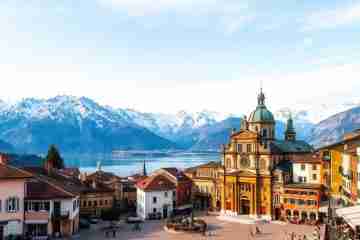
Nestled in Lombardy’s foothills, this northern Italian city blends ancient history with modern charm. Less than an hour from Milan by train, Brescia surprises visitors with remarkably preserved Roman forums and medieval towers. Its UNESCO-listed monuments stand alongside Renaissance palaces, offering layers of history waiting to be explored.
Unlike crowded tourist hubs, Brescia’s cobblestone streets reveal authentic Italian life. The historic center showcases 2,000-year-old ruins near lively cafés serving local Franciacorta sparkling wine. Visitors can admire Byzantine mosaics at San Salvatore Monastery or climb the Broletto’s clock tower for panoramic views of the Alps.
Strategic location makes the city ideal for travelers seeking cultural depth. Day trips to Lake Garda or Verona add versatility to any itinerary. Brescia’s culinary scene shines too, with family-run trattorias serving casoncelli pasta and saffron-infused risotto.
Key Takeaways
- Discover UNESCO World Heritage Sites alongside living Italian traditions
- Explore Roman ruins and medieval architecture within walkable neighborhoods
- Enjoy proximity to Milan and the Italian Lakes for flexible itineraries
- Savor distinctive Lombard cuisine in authentic, crowd-free settings
- Experience Renaissance art and modern culture in harmonious balance
Introduction to Brescia’s Timeless Appeal
Few European cities wear their history as visibly as Brescia. Founded before Rome’s rise, this cultural crossroads reveals its past through architectural layers spanning 22 centuries. The ancient Brixia Roman Forum still stands where merchants once traded, while Venetian lion statues guard Renaissance courtyards nearby.
| Era | Landmark | Cultural Influence |
|---|---|---|
| Pre-Roman | Iron Age settlements | Celtic tribes |
| Roman Empire | Capitoline Temple | Classical architecture |
| Venetian Rule | Broletto Palace | Gothic elements |
| 19th Century | Unification monuments | Italian nationalism |
What makes Brescia special isn’t just preserved ruins, but how time flows seamlessly here. Locals sip espresso where Roman senators debated. Children play soccer beneath medieval watchtowers. This living museum effect creates authentic moments at every turn.
The city’s history as the “Lioness of Italy” remains part of its modern identity. Visitors today find Renaissance art galleries sharing walls with chic wine bars. Evening passeggiati along Via Musei reveal how ancient stones and modern life coexist in perfect harmony.
Essential Things to Do in Brescia
Brescia captivates visitors with its seamless blend of ancient heritage and vibrant culture. The UNESCO-listed Santa Giulia Museum offers a stunning journey through Lombard history, housing artifacts from prehistoric times to Venetian rule. Just steps away, the Roman Forum’s towering columns stand as silent witnesses to the city’s imperial past.
For panoramic perspectives, ascend to Brescia Castle via its historic funicular. The fortress’s museums reveal medieval weaponry, while its ramparts frame Alpine vistas stretching across Lombardy’s plains. “The view from here connects Italy’s past with its living landscape,” notes a frequent traveler.
| Attraction | Experience | Time Needed |
|---|---|---|
| Santa Giulia Museum | Byzantine frescoes & Roman mosaics | 2-3 hours |
| Roman Forum | 1st-century Capitolium Temple | 1 hour |
| Brescia Castle | Alpine views & military history | 1.5 hours |
| Franciacorta Tasting | Sparkling wine tours | Half-day |
| Lake Garda Trip | Waterfront villages & hiking | Full day |
Food enthusiasts savor casoncelli pasta in family-run trattorias near Piazza della Loggia. Pair meals with Franciacorta wines from nearby vineyards—a perfect way to absorb local flavors. Those with three days can explore Lake Iseo’s mountain-backed shores or Verona’s Shakespearean sites.
Compact yet layered, Brescia rewards travelers who linger. Its walkable center ensures key attractions sit minutes apart, making even a single-day visit remarkably fulfilling.
Strolling Through the Historic Old Town
Brescia’s historic core invites exploration through a maze of architectural marvels and living traditions. Encircled by remnants of medieval walls, this compact area reveals layers of history in its cobblestone streets and Renaissance-era buildings. From Roman foundations to Venetian-inspired facades, every corner tells a story.
Exploring Ancient Streets and Iconic Landmarks
Torre della Pallata stands as a crown jewel of Brescia’s skyline. This 13th-century tower marks a crossroads where four historic streets converge, its crenelated design creating dramatic photo opportunities. Nearby, the University Quarter buzzes with students sipping spritzes at open-air cafés beneath vibrant murals.
Discovering Hidden Corners and Local Boutiques
Corso Giuseppe Zanardelli transitions seamlessly from modern boutiques to centuries-old workshops. Leather artisans and jewelers display their crafts in arched storefronts near Piazza del Mercato. Venture beyond main thoroughfares to find courtyards where locals gather for afternoon passeggiate.
The old town’s magic lies in its contrasts. Roman sites neighbor concept stores selling Franciacorta wines, while family-run bakeries perfume alleyways with freshly baked torta di rose. This fusion of past and present defines Brescia’s authentic charm.
Admiring Iconic Piazzas and Squares
Brescia’s public squares capture centuries of civic life through architectural grandeur. These open-air stages host daily rituals – from morning coffee rituals to twilight wine gatherings – framed by UNESCO-worthy landmarks.

Piazza della Loggia and Its Renaissance Splendor
The piazza della loggia embodies Venetian elegance with its arcaded buildings and marble facades. Completed in 1574, the square’s astronomical clock tower still mesmerizes visitors when its bronze figures strike each hour. “This mechanical marvel connects us to our ancestors’ ingenuity,” remarks a local historian.
Reborn after the 1974 bombing, the della loggia space now thrives as a cultural hub. Cafés spill onto the pavement beneath 16th-century frescoes, while weekend markets fill the air with regional delicacies like bagoss cheese.
Experiencing the Charm of Piazza Paolo VI
Just northeast lies piazza paolo VI, where architectural eras collide dramatically. The circular Duomo Vecchio (11th century) stands shoulder-to-shoulder with the Baroque Duomo Nuovo’s towering dome. This sacred square houses Brescia’s spiritual evolution in stone and mortar.
| Feature | Piazza della Loggia | Piazza Paolo VI |
|---|---|---|
| Architectural Style | Renaissance-Venetian | Romanesque & Baroque |
| Key Element | Astronomical Clock | Twin Cathedrals |
| Historic Role | Commercial Hub | Religious Center |
| Modern Use | Café Culture | Cultural Events |
Between these squares, the medieval Broletto Palace bridges civic and religious history. Its loggias and courtyards once hosted Lombard rulers, now framing aperitivo hours with Franciacorta sparklers. Visitors can taste history here – both in the architecture and the local Prosecco.
Unraveling Roman History and Archaeological Treasures
Step into an ancient world where marble columns frame stories of imperial power and sacred rituals. The Brixia Roman Archaeological Park, a UNESCO World Heritage Site, preserves three monumental sites that shaped northern Italy’s cultural landscape across centuries.
Visiting the Brixia Roman Archaeological Park
Emperor Vespasian’s 73 AD Capitoline Temple dominates the complex with six soaring Corinthian columns. This tribute to Jupiter, Juno, and Minerva served as Rome’s administrative heartbeat. Beneath its podium lies the Republican Sanctuary – a 1st-century BC marvel with vivid frescoes depicting mythological scenes.
Augmented reality tablets transform scattered stones into vivid reconstructions. “Suddenly, you’re bargaining with merchants in the Roman Forum,” shares a recent visitor. The theater’s semi-circular seating whispers of ancient performances witnessed by 15,000 spectators.
| Structure | Era | Key Feature |
|---|---|---|
| Republican Sanctuary | 1st century BC | Polychrome wall paintings |
| Capitoline Temple | 73 AD | Imperial dedication altar |
| Roman Theater | 1st-3rd century AD | Original stage machinery slots |
Guided tours reveal how these sites anchored daily life – from senate meetings to gladiator announcements. Evening illuminations cast golden light on weathered stones, creating hauntingly beautiful contrasts with modern city lights. This living history lesson remains essential for understanding Lombardy’s Roman roots.
Exploring the Majestic Brescia Castle
Crowning Cidneo Hill like a stone sentinel, Brescia Castle commands attention with its 13th-century battlements. Known as the “Falcon of Italy,” this fortress blends military might with cultural treasures. Its strategic position offers sweeping views stretching from the city’s terracotta rooftops to distant Alpine peaks.
Museum Highlights and Panoramic City Views
The castle home to two exceptional museums. The Luigi Marzoli Arms Museum displays 600+ pieces of medieval armor, including rare Visconti-era swords. “Wandering these ramparts feels like time travel,” remarks a recent visitor. Nearby, the Risorgimento Museum reveals Brescia’s fiery role in Italy’s unification through battle flags and Garibaldi’s letters.
Don’t miss the castle’s hidden gems. The Cidnea Observatory lets stargazers peer through historic telescopes, while Pusterla Vineyard – Europe’s oldest urban vineyard – still produces crisp white wines. Walk the mile-long walls to spot original drawbridges and Venetian-era bastions.
As sunlight dances across Lombardy’s plains, the castle transforms into a golden viewpoint. Locals often picnic here, savoring local cheeses beneath 700-year-old towers. This living monument proves history isn’t confined to museum cases – it breathes through every sun-warmed stone.
Immersing in Art and Culture at Brescia Museums
Brescia’s cultural treasures shine brightest through its sacred spaces and curated collections. The Santa Giulia Museum and twin cathedrals form an artistic triangle revealing Lombardy’s spiritual and creative evolution across three millennia.
The Santa Giulia Museum Experience
Housed in a 1,200-year-old Benedictine monastery, this UNESCO site masterfully blends architecture with artefacts. Visitors walk through original cloisters to discover Roman floor mosaics glowing under natural light. “The Virgin’s Oratory frescoes feel freshly painted despite their 9th-century age,” notes a curator.
Highlights include Lombard golden crosses and Renaissance altarpieces displayed beside their excavation sites. The museum’s Roman villa section preserves vibrant wall paintings depicting ancient banquets, offering rare insights into domestic life during the empire’s peak.
Discovering Duomo Vecchio and Duomo Nuovo
The circular Duomo Vecchio defies expectations with its Romanesque simplicity. Its dim interior shelters 12th-century crypts and a Byzantine crucifix glowing under candlelight. Just steps away, the Duomo Nuovo‘s soaring dome creates a dramatic counterpoint.
Constructed over two centuries, the new cathedral’s neoclassical interior showcases marble sculptures and intricate stuccowork. Visitors often pause beneath the 91-meter dome to admire its celestial frescoes – a testament to Brescia’s enduring artistic ambitions.
Savoring Local Cuisine and Wine Country Delights

Brescia’s culinary landscape offers a journey through Lombardy’s fertile plains and Alpine valleys. Hearty pasta dishes and crisp sparkling wines reflect the region’s agricultural roots and artisanal craftsmanship. Family recipes passed through generations share table space with innovative takes on Lombard classics.
Traditional Brescian Dishes and Culinary Gems
Local food traditions shine in casoncelli alla Bresciana – delicate ravioli stuffed with spiced meat and amaretti cookies. Creamy polenta often accompanies rich stews, while aged Bagoss cheese adds sharp complexity to antipasti platters. For adventurous palates, earthy snail preparations showcase Brescia’s connection to its terrain.
The Franciacorta region produces Italy’s finest sparkling wines using traditional Champagne methods. Over 120 vineyards offer tastings where golden bubbles pair perfectly with lake fish carpaccio. “Our soils give Franciacorta its distinctive minerality,” explains a vintner from Ca’ del Bosco winery.
| Traditional Eats | Modern Twists | Where to Try |
|---|---|---|
| Casoncelli pasta | Deconstructed polenta towers | Trattoria Porteri |
| Bagoss cheese | Snail risotto | I Du Dela Contrada |
| Rane alla Camuna | Franciacorta sorbet | Ristorante I Nazareni |
From rustic trattorias to Michelin-noted establishments, Brescian restaurants prioritize seasonal ingredients. A meal here often becomes a cultural exchange – servers explain dish origins while recommending local wine pairings. Evening dinners stretch leisurely, mirroring Italy’s celebrated dolce far niente ethos.
Outdoor Escapes: Lakes and Scenic Day Trips
Beyond Brescia’s historic streets lie liquid landscapes where Alpine waters meet Mediterranean charm. The region’s twin jewels – Lake Garda and Lake Iseo – offer contrasting experiences for nature lovers and culture seekers alike.
Adventures at Lake Iseo and Lake Garda
Reachable by a 25-minute train ride, Lake Iseo enchants with its intimate scale. Monte Isola – Europe’s largest lake island – beckons cyclists to pedal past fishing villages and olive groves. Ferries connect quiet towns like Sulzano, where waterfront trattorias serve lake perch with crisp white wines.
Lake Garda’s southern shores unfold just 40 minutes west. Historic Sirmione dazzles with Scaligero Castle rising from turquoise waters, while Desenzano’s promenade buzzes with gelato shops. Active travelers can windsurf near Limone or hike trails above Malcesine’s cobblestone lanes.
Both lakes reward extended exploration. A day trip reveals their essence, but overnight stays allow sunset cruises and vineyard tours. Whether savoring Garda’s lemon groves or Iseo’s hidden coves, these aquatic escapes amplify Brescia’s appeal as Lombardy’s cultural crossroads.