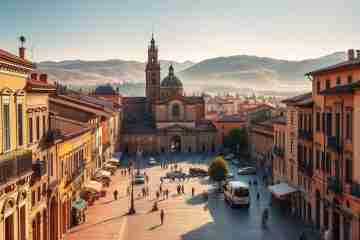
Nestled in Italy’s Lombardy region, this historic city offers an authentic journey through centuries. Travelers discover a place where Roman foundations, a rich Lombard legacy, and stunning medieval architecture beautifully converge.
The urban center rewards curious explorers with remarkable cultural treasures. Its compact historic core allows visitors to discover multiple significant landmarks within comfortable walking distances. This makes it ideal for both day trips and extended cultural explorations.
Our guide positions this destination as the perfect alternative to crowded tourist spots. It combines historical landmarks, religious architecture, and university heritage into memorable travel experiences. History comes alive in charming piazzas, ancient churches, and cobblestone streets.
This article serves as the ultimate resource for planning an enriching visit. We provide expert insights into top attractions, hidden gems, and practical tips for a seamless journey.
Key Takeaways
- Explore a northern Italian city rich with Roman, Lombard, and medieval history.
- Discover a compact historic center perfect for immersive walking explorations.
- Experience a refreshing cultural alternative to more crowded tourist destinations.
- Gain access to expert insights on top landmarks and hidden local gems.
- Plan an ideal visit with practical information on cuisine and seasonal travel tips.
Introduction to Pavia: A Journey into History and Culture
Situated along the scenic Ticino River just south of Milan, this Lombard town presents a captivating blend of ancient heritage and contemporary vitality. Visitors discover an architectural tapestry where Gothic arches meet Romanesque stonework, and medieval streets open onto sun-drenched piazzas.
The river has shaped this place throughout time, from its origins as a Roman military outpost to its role as Lombard capital. This strategic location established the foundation for the rich cultural heritage that defines the city today.
Today, Pavia offers a relaxed, authentic atmosphere that contrasts with busier destinations. Locals gather in piazzas for evening aperitivo while students animate historic university courtyards. The compact town center invites leisurely exploration, rewarding visitors who appreciate intricate details.
This destination encourages travelers to slow down and absorb the unhurried rhythm of provincial Italian life. The interplay of light on ancient stone and hidden courtyards reveals layers of history waiting to be discovered.
Historical Overview of Pavia: From Roman Roots to Lombard Legacy
Deep in the annals of northern Italian history lies the fascinating story of a settlement that evolved from Roman military outpost to royal capital. The town’s origins remain shrouded in scholarly debate, with ancient chroniclers offering conflicting accounts.
Pliny the Elder attributed the foundation to red-haired Ligurian tribes with Celtic roots, while Ptolemy claimed Gaulish Insurbes controlled the area. This rich complexity marks the ancient past of what would become a significant Roman stronghold.
By the 3rd century BCE, the Romans established a military camp called Ticinum to protect their strategic bridge over the Ticino River. This positioning allowed control of vital river crossings and trade routes throughout northern Italy.
The settlement’s golden age arrived when it served as capital of the Lombard Kingdom from 568 to 774 CE. During this transformative time, the town hosted royal coronations and functioned as the political heart of the region.
Successive rulers each left their architectural imprint, creating the layered historical landscape visible today. Medieval powers fortified the city with defensive walls, while noble families constructed towers as symbols of prestige.
This rich background explains the architectural heritage throughout modern Pavia. Romanesque churches, ancient walls, and medieval structures tell the story of centuries of cultural development.
Exploring the Historic Center: Medieval Streets and Charming Piazzas
At the core of this Italian destination lies an exceptionally preserved medieval town center where daily life unfolds against an architectural masterpiece. The compact layout creates an intimate atmosphere perfect for discovery on foot.
Piazza della Vittoria and the Broletto
Piazza della Vittoria serves as the vibrant social heart where locals and visitors converge throughout the day. The spacious square features café tables filled with animated conversation and the rich aroma of freshly brewed espresso.
The elegant Broletto frames one side of piazza della vittoria with graceful 12th-century arches. This former town hall now hosts temporary art exhibitions while maintaining its historical charm.
Medieval Towers and Authentic Cobblestone Streets
Via Strada Nuova connects the train station directly to the historic center, lined with Renaissance façades and boutique shops. This main thoroughfare invites leisurely strolls toward the heart of the old town.
Wandering medieval side streets reveals sudden openings into unexpected piazzas and rising medieval towers. The cobblestone pathways create an atmospheric environment where every corner offers photographic opportunities.
The walkable design allows visitors to discover Romanesque churches, hidden courtyards, and charming streets during a single afternoon exploration. This compact center embodies authentic Italian life beyond typical tourist paths.
Pavia sightseeing tours: A Journey Through Timeless Landmarks
Exploring this historic destination reveals ten remarkable sights connected through logical walking routes. The compact layout makes it perfect for comprehensive discovery on foot.
Visitors typically plan one or two day visits to experience the city’s highlights. A single day covers the historic center’s churches, university, and scenic riverside paths.
The walkable design allows travelers to appreciate architectural details at their own pace. This place rewards those who explore its charming streets and hidden courtyards.
Guided tours provide expert historical context that enhances understanding of each landmark. Alternatively, self-guided walks offer flexibility to discover the city independently.
Specialized routes focus on Romanesque architecture, university heritage, or local culinary traditions. Morning explorations capture ideal light for photography while avoiding crowds.
This destination serves as an accessible experience for various traveler types. The manageable scale makes it an ideal place for immersive cultural discovery.
Religious Treasures of Pavia: Churches and Basilicas
The city’s religious monuments stand as living museums where art, history, and faith converge beautifully. These sacred spaces contain extraordinary artistic masterpieces spanning from early medieval times through the Renaissance. Visitors discover active places of worship that also function as accessible art museums.
Basilica San Michele and San Pietro in Ciel d’Oro
The Basilica San Michele Maggiore represents one of northern Italy’s finest Romanesque churches. Its honey-colored stone façade features intricate carvings that distinguish it from typical brick-built Lombard churches. The soft stone has eroded over centuries, adding character to this coronation site for Italic Kingdom sovereigns.
Nearby, the Basilica San Pietro in Ciel d’Oro shelters precious relics of St. Augustine within an elaborate marble tomb. Dante immortalized this church in his Divine Comedy, establishing its literary significance. The Arca di Sant’Agostino, carved in 1362, remains a pilgrimage destination for theologians worldwide.
Other remarkable churches include the Duomo with Italy’s third-largest dome, featuring contributions from Renaissance masters. The Basilica di San Teodoro reveals 8th-century floor mosaics discovered during renovations. These sacred spaces offer free admission, allowing travelers to experience centuries of artistic achievement.
Architectural Marvels: Castles, Monasteries, and Bridges
Beyond the city’s historic center stand two magnificent structures that showcase the power and piety of medieval rulers. These architectural treasures represent the dual authorities that shaped medieval society.
Certosa di Pavia and Visconti Castle
The Certosa di Pavia stands as the crown jewel of Lombard religious architecture. Located just five miles from the urban core, this extraordinary monastery was commissioned in 1396 by Gian Galeazzo Visconti.
Its breathtaking white marble façade blends Lombard Gothic drama with Renaissance refinement. Master sculptor Giovanni Antonio Amadeo created intricate bas-reliefs that adorn the church exterior.
Inside, visitors discover fresco-covered walls and gold mosaics that catch the light. Peaceful cloisters transport guests to the monastery’s 15th-century origins.
The Visconti Castle presents a contrasting vision of medieval power. Built in 1360 by Galeazzo II Visconti, this formidable fortress features imposing brick walls and towers.
Today, the castle houses the Pavia Civic Museums with collections spanning Gothic art to Roman relics. The well-preserved courtyard evokes medieval atmosphere, while the former moat now serves as a pleasant walking path.
These architectural marvels demonstrate how spiritual devotion and temporal rule found magnificent expression through stone and mortar.
The Covered Bridge and Scenic River Walks along the Ticino
A walk across the Ponte Coperto reveals layers of history, from ancient Roman foundations to modern-day riverside tranquility. This iconic covered bridge spans the Ticino River, connecting the historic center with the charming Borgo Ticino district.
The current structure honors its medieval predecessor built between 1352-1354, which itself stood upon Roman bridge foundations dating to the 3rd century BCE. Despite being reconstructed after World War II, the bridge maintains all the charm of centuries past.
Distinctive red-brick arches support a terracotta roof, creating one of northern Italy’s most photogenic landmarks. At sunset, golden light illuminates the structure while reflecting magically off the river’s surface. A small chapel dedicated to Saint John of Nepomuk stands at the bridge’s midpoint, serving as protector against floods.
Crossing the Ponte Coperto feels like transitioning between worlds. The bustling urban center gives way to Borgo Ticino’s quieter pace, where narrow streets lead to family-run osterie and homes draped in flowering plants.
Scenic paths along both sides of the Ticino River offer peaceful walks with beautiful city skyline views. Locals jog and couples stroll along these routes, enjoying perspectives of ancient fishing quarter houses and natural beauty.
The river and bridge serve as defining elements of Pavia’s character, shaping daily life while connecting different historical quarters. This area provides both recreational space and romantic atmosphere for visitors exploring beyond the main tourist paths.
University of Pavia and the Legacy of Medieval Towers
The intellectual heartbeat of this historic destination pulses through its ancient university and surviving medieval towers. These two elements create a fascinating dialogue between centuries of learning and architectural power.

The University of Pavia stands as one of Europe’s most prestigious institutions. Founded in 1361, it continues educational traditions dating back to the 9th century. Over 21,000 students bring vibrant energy to the urban landscape.
Eighteen departments occupy buildings ranging from medieval palaces to former monasteries. This integration demonstrates how education has been woven into the city’s fabric for centuries.
| University Feature | Historical Significance | Visitor Experience |
|---|---|---|
| Founded 1361 | One of Europe’s oldest universities | Accessible historic courtyards |
| 18 Departments | Occupies medieval and Renaissance buildings | Self-guided walking routes available |
| 21,000+ Students | Continuous operation for seven centuries | Youthful atmosphere in ancient settings |
Torri Gentilizie and Historic University Courtyards
The Torri Gentilizie represent Pavia’s former identity as a “city of towers.” These three 12th-century medieval towers rise dramatically beside university buildings. They stand near ruins of the 7th-century church of San Eusebio.
“The towers once symbolized family prestige during medieval power struggles. While the city once boasted over 100 towers, only six remain completely intact today.”
Nearby Piazza Leonardo Da Vinci features a beautiful Deposition of Christ sculpture. This commemorates the 15th-century Ospedale di San Matteo, which treated all patients regardless of social class.
University courtyards offer peaceful spaces with historical plaques and architectural details. Visitors can explore these areas where students have pursued knowledge for seven centuries. The synergy between medieval heritage and academic tradition creates a unique atmosphere.
Cultural Experiences: Local Art, Unique Doors, and Street Vibes
The true character of this Lombard destination unfolds not just in its grand monuments, but in the art and rhythm of daily life found along its streets. Visitors discover a vibrant city where history is written on every corner.
A fascinating tradition is the presence of Wall Madonnas, or Madonnari. These devotional images of the Virgin Mary adorn building facades throughout the historic center. They represent a living connection to popular religious art.
The city is a treasure trove for architectural enthusiasts. Historic doorways and portals showcase centuries of craftsmanship. One remarkable example is the impressive door inside the courtyard of the 15th-century Palazzo Orlandi.
Exploring the streets reveals a beautiful contrast. Main avenues buzz with shops and cafés, while quieter side lanes offer glimpses of authentic neighborhood life. These narrow cobblestone paths lead to tiny pizzerias and craft studios.
A large student population infuses the place with youthful energy. This creates a dynamic atmosphere where ancient settings meet modern vitality. The interplay of light on ancient walls turns a simple walk into a discovery of art.
Look beyond the main facades into semi-public courtyards for hidden treasures. Each turn can reveal weathered frescoes or decorative ironwork. This art-filled environment encourages a slow, observant approach to exploration.
This layered experience connects travelers to the soul of the city. It’s an invitation to engage with authentic Italian life beyond the major landmarks. Even a single church doorway can tell a rich architectural story.
Culinary Delights and Wine Tasting in Pavia
Beyond the historic monuments lies a vibrant food scene where traditional recipes tell stories of regional identity. The culinary experience forms an essential part of understanding this Lombard town’s character.
Top Restaurants and Traditional Lombard Cuisine
Local restaurants showcase signature dishes like risotto alla pavese and hearty polenta preparations. These recipes reflect the agricultural heritage of the surrounding countryside.
Antica Osteria del Previ serves classic cuisine in a historic setting. Family-run Trattoria Da Carlo offers generous portions in a cozy atmosphere.
The nearby oltrepò pavese wine region provides exceptional tasting opportunities. Family-owned wineries offer sparkling varieties like Brut and Rosé.
In the Borgo Ticino area, riverside osterie serve seasonal dishes with local wine. This charming place creates perfect settings for long lunches.
The oltrepò pavese experience feels refreshingly authentic. Passionate winemakers share their craft in intimate tasting rooms.
This town offers diverse dining from rustic meat dishes to innovative modern cuisine. Each meal becomes a journey through Lombard traditions.
The culinary landscape of this area extends beyond restaurants to local markets and specialty shops. Visitors discover the true flavor of this special place.
Navigating Pavia: Transportation Tips and Train Station Insights
Reaching this historic Lombard destination is remarkably straightforward, thanks to its excellent rail connections. Positioned just 35 km south of Milan, the city serves as an ideal day trip or relaxing overnight stay.
Frequent regional trains depart from Milano Centrale, offering a quick and scenic journey. The ride takes approximately 30-40 minutes, passing through the fertile Pianura Padana with views of vast rice paddies.
The Stazione di Pavia is a charming 19th-century building with distinctive bright colors. It is conveniently located a simple 15-minute walk from the historic center via Corso Camillo Benso Cavour.
Choosing the train is the most practical option for visitors. It avoids the challenge of finding parking in the compact city center. Travelers can relax and enjoy the countryside scenery during the trip.
For a smooth visit, consider these practical tips:
- Check schedules: While service is frequent, verifying train times is wise during peak travel periods.
- Easy orientation: The walk from the station introduces visitors to the city’s architectural charm.
- Car-free exploration: The entire historic center is easily navigated on foot upon arrival.
The city’s link to Milan is also historical, being the terminus of the 16th-century Naviglio Pavese canal. This efficient transport connection makes exploring this cultural gem both easy and enjoyable.
Day Trips and Nearby Attractions: From Milan to Lomellina
Strategic positioning makes this town an ideal hub for exploring northern Italy’s treasures. Visitors can easily plan a rewarding day excursion to multiple fascinating destinations within Lombardy.
Milan sits just 45 minutes away by train, offering world-class attractions. Travelers discover the Gothic Duomo, elegant Galleria Vittorio Emanuele II, and the art-filled Pinacoteca di Brera.

The regional capital also features innovative wine experiences. Navigli district hosts Italy’s first urban winery with tours and tastings of house-made wines.
Vigevano presents a Renaissance gem 40 minutes northwest. Its breathtaking Piazza Ducale ranks among Italy’s finest town squares, designed with contributions from Leonardo da Vinci.
The Lomellina area offers peaceful countryside escapes about 45 minutes away. Vast rice paddies produce the prized grains for authentic risotto. This fertile landscape sustains agricultural traditions for centuries.
Beautiful Romanesque churches like the Abbey of Sant’Albino dot the countryside. Spring time reveals dramatic flooded paddies reflecting the sky, while autumn brings harvest activities.
Our recommended itinerary combines exploring the historic center with visiting the magnificent Certosa Pavia monastery. Follow this with wine tasting in Oltrepò Pavese or discovering Lomellina’s rice country.
Seasonal Highlights: Best Times to Explore Pavia
The rhythm of the seasons transforms this historic destination, creating unique opportunities for discovery throughout the year. Each time offers distinct advantages for your visit.
Spring (April-June) presents ideal conditions for exploring the city. Pleasant temperatures make walking comfortable. Blooming gardens and flooded rice paddies create stunning landscapes.
Early autumn (September-October) offers similar appeal. Comfortable weather combines with beautiful light for photography. Harvest activities in surrounding vineyards add cultural richness.
Summer months bring warmth but remain manageable. Unlike crowded Italian hotspots, this city maintains a relaxed atmosphere. Morning explorations avoid peak temperatures.
Winter provides serene experiences for travelers seeking authenticity. Cozy cafés offer refuge while Christmas markets add seasonal charm. Museums and churches welcome peaceful exploration.
Our advice considers seasonal events and practical considerations. Some attractions may have reduced hours in winter. Summer often features extended evening openings.
Each season frames the surrounding countryside differently. Spring’s reflective paddies contrast with autumn’s golden harvest colors. Winter brings misty, atmospheric landscapes.
This destination rewards visits during any time of year. Choose based on your preferred experience type and weather tolerance.
Local Life and Hidden Gems: Markets, Cafés, and Artisan Crafts
Hidden within the winding cobblestone alleys, a rich tapestry of neighborhood traditions awaits discovery. The authentic local life unfolds in quiet corners where residents maintain centuries-old customs.
Shopping, Street Art, and Local Workshops
Weekly markets transform piazzas into vibrant commercial centers. Vendors offer fresh produce, regional cheeses, and artisanal goods. This creates an authentic Italian market experience.
The historic center features elegant boutiques alongside neighborhood shops. Visitors find Italian fashion, regional wines, and handcrafted products. The shopping experience reflects the city’s unique character.
Café culture defines daily rhythms throughout the urban center. Locals gather for morning cappuccinos and evening aperitivos. These social rituals invite participation from visitors seeking authentic life experiences.
Artisan workshops tucked along side streets preserve traditional crafts. Leather workers, bookbinders, and ceramicists maintain centuries-old techniques. Many studios welcome curious visitors to observe their creative process.
The student population infuses the city with youthful energy. Affordable eateries and lively bars create a dynamic atmosphere. This blend of ancient settings and modern vitality enriches the local life.
Wall Madonnas and devotional art adorn building facades throughout old streets. These images represent a living connection between contemporary city existence and centuries of tradition.
Pavia for Every Traveler: Tailored Experiences and Insider Tips
The beauty of exploring this historic urban center lies in its capacity to offer personalized experiences for every type of visitor. History enthusiasts discover layers of Roman foundations and Lombard heritage throughout the compact city. Architecture lovers find outstanding examples spanning Romanesque churches to Renaissance palaces.
For a single day, focus on the historic center’s major sights like the Duomo and covered bridge. A two-day visit allows time for the magnificent Certosa monastery and local wine tasting. Early mornings provide optimal photography light while avoiding crowds.
This place offers exceptional value with free church entry and affordable trattorias. While cobblestone streets present mobility challenges, major attractions maintain good accessibility. The city rewards travelers who embrace spontaneous discoveries.
Our advice encourages a flexible mindset. Extended café breaks and leisurely strolls reveal authentic character beyond famous monuments. This approach transforms a simple visit into a deeply personal journey through Italian culture.
Conclusion
For those seeking genuine provincial Italian life combined with remarkable cultural heritage, this destination stands as a compelling alternative to more famous urban centers. The city masterfully blends substantial history with an accessible, authentic atmosphere that rewards curious travelers.
This Lombard town serves as both a worthy standalone destination and an ideal complement to time spent in nearby Milan. Its compact, walkable center allows visitors to efficiently experience diverse attractions without the exhaustion of larger tourist city environments.
The authentic Italian experience unfolds where university students animate historic streets and locals gather in traditional piazzas. Practical advantages include easy train access, manageable crowds, and affordable dining options serving excellent regional cuisine.
We encourage allocating sufficient time to discover this captivating town. Whether as a day trip or extended stay, the city promises memories of authentic Italian travel where every cobblestone street tells stories spanning centuries.