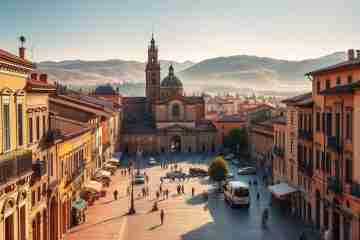
Welcome to a journey through one of northern Italy’s most captivating destinations. This charming Lombard city offers travelers an authentic alternative to crowded tourist centers while maintaining extraordinary cultural depth.
The city’s remarkable story begins in Roman times when it was known as Ticinum. Named after the river flowing through it, this settlement laid the foundation for centuries of rich history. After being conquered by the Lombards, it became their kingdom’s capital, entering a truly prosperous era during the Middle Ages.
The Ticino River has always shaped the city’s character and prosperity. Its waters irrigated surrounding fields and created picturesque riverside settings that complement the stunning medieval architecture. This natural feature continues to give the city its unique charm and vitality.
Our comprehensive guide will reveal iconic monuments, hidden corners, and cultural experiences that showcase the authentic character of this Italian gem. Prepare to discover architectural wonders that have stood the test of time.
Key Takeaways
- Pavia served as the capital of the Lombard Kingdom during medieval times
- The city originated as the Roman settlement of Ticinum
- The Ticino River has been central to the city’s prosperity throughout history
- This destination offers authentic cultural experiences away from crowded tourist centers
- Medieval architecture and riverside settings create a visually captivating environment
- The city preserves centuries of Italian heritage within its ancient walls
- Pavia represents one of northern Italy’s most historically rich yet underappreciated destinations
Discovering Pavia’s Rich Medieval History
During the Middle Ages, this settlement transformed from a Roman outpost into a flourishing capital city. The urban plan from this period created winding cobbled streets lined with houses featuring thick stone walls. This distinctive layout remains visible today.
The strategic location along the Ticino River attracted wealth and artistic patronage. This prosperity manifested in churches, towers, and palaces that defined the city’s character. Over one hundred towers once punctuated the skyline during medieval times.
| Period | Dates | Significance |
|---|---|---|
| Roman Settlement | Until 5th century | Foundation as Ticinum |
| Lombard Capital | 6th-14th century | Peak medieval prosperity |
| Duchy of Milan | 14th century onward | Annexation ended independence |
| Foreign Rule | 18th century | Spanish, French, Austrian control |
Political changes began in the 14th century when the city was annexed by the Duchy of Milan. This marked a decline from its independent prosperity. The 18th century brought successive foreign governments that influenced development.
Today’s visitors encounter a complex tapestry of heritage. Layers of history from Roman foundations through Renaissance flourishing create the authentic character. Each era left its mark on the urban fabric.
Exploring Pavia historical sites
What makes this destination truly special is how centuries of heritage are woven into a remarkably walkable urban fabric. The compact historic center clusters magnificent monuments within easy strolling distance, creating an immersive experience where every corner reveals another layer of history.
Visitors quickly discover that planning their time effectively is key to appreciating the breadth of treasures. While day-trippers can capture the essence, extended stays reveal deeper connections between the Roman, medieval, and Renaissance periods that shaped this remarkable city.
The geographical layout offers intuitive exploration. Major attractions like churches and towers concentrate in the pedestrian-friendly core, while outlying gems like the Certosa monastery require separate planning. This organization helps travelers prioritize based on available time and interests.
Our approach emphasizes the diversity of experiences available. Beyond grand architectural masterpieces, intimate medieval alleys and university courtyards offer quieter moments of discovery. Many places maintain regular hours with affordable admission, providing authentic cultural encounters without the crowds found in more tourist-heavy Italian destinations.
Iconic Churches and Basilicas
Among the city’s architectural treasures, the sacred buildings stand as enduring testaments to medieval devotion. These remarkable structures showcase the spiritual heritage that shaped the region’s cultural identity.
Basilica of San Michele Maggiore
This 11th-12th century masterpiece represents Lombard romanesque architecture at its finest. The basilica san Michele served as coronation site for Italian kings, adding to its historical significance.
Visitors encounter a rough stone façade with exquisite carvings. The interior creates an atmospheric space that transports you to medieval times. Entry remains free with daily opening hours.
Basilica di San Pietro in Ciel d’Oro
The name san pietro in pietro ciel d’Oro references the golden apse ceiling. This church holds extraordinary religious importance as the resting place for St. Augustine’s relics.
Originally dating to the 7th century, the current structure reflects 12th century reconstruction. The basilica san Pietro attracts both pilgrims and cultural travelers seeking medieval Christianity’s legacy.
Both churches exemplify romanesque architecture through their structural elements and decorative programs. Visitors should plan morning visits for optimal lighting and respectful appreciation of these functioning religious spaces.
The Splendor of Medieval Towers and Cathedrals
The Duomo di Pavia stands as a testament to Renaissance vision meeting medieval tradition. This magnificent building dominates the skyline with its impressive scale and architectural ambition.
Construction began in the late 15th century under visionary architects. Leonardo da Vinci contributed to the foundations, while Donato Bramante shaped the distinctive character.
Pavia Cathedral (Duomo di Pavia)
The cathedral features unusual red brick construction with a Greek cross floor plan. Half-circle chapels flank the nave and side aisles, creating a harmonious spatial arrangement.
Most impressive is the octagonal dome reaching 97 meters high. With a 34-meter diameter, this engineering marvel ranks among Italy’s largest domed structures.
Inside, visitors discover a peaceful atmosphere with simple decoration. The spacious interior contrasts with the exterior’s grandeur, offering contemplative space.
Religious treasures include the crypt holding San Siro’s remains. An elaborate 18th-century reliquary purportedly contains a thorn from Christ’s crown.
The city’s medieval towers once numbered over one hundred. Remaining structures punctuate the urban landscape, reminders of prosperous competition.
Architectural Masterpieces: Bridges and Palazzos
The city’s relationship with the Ticino River finds its most poetic expression in the covered bridge that has connected communities for centuries. These structures reveal how practical needs inspired beautiful solutions throughout different eras.
Ponte Coperto
The ponte coperto stands as one of the most photographed landmarks. This beautiful bridge originated in the 14th century and was faithfully reconstructed after World War II.
A romantic legend claims the devil built the original structure in a single night. The middle section offers stunning views of medieval towers against the flowing river.
Palazzo Broletto & Other Historic Buildings
The Palazzo Broletto exemplifies transitional architecture from Romanesque to Gothic styles. This 13th-century civic building features an elegant façade and beautiful interior courtyard.
Palazzo Malaspina represents 18th-century aristocratic residence architecture. While not regularly open, special events provide access to its grand interiors.
These structures showcase different eras of civic life. They illustrate the evolution of architecture across centuries of development.
The University of Pavia and Civic Museums
The intellectual heart of this Lombard destination beats within the halls of one of Europe’s oldest learning institutions. Founded in 1361, the university pavia has maintained academic excellence for over six centuries. Its historic courtyards welcome visitors to explore spaces where scholars like Alessandro Volta once studied.
This prestigious university pavia offers diverse programs from medicine and law to humanities and engineering. The institution’s reputation for quality education attracts students worldwide. Visitors can access public areas and affiliated museums showcasing scientific and cultural contributions.
Visconti Castle and Civic Exhibits
The imposing Visconti Castle, built in 1360 by Galeazzo II Visconti, now houses the civic museums. This medieval fortress provides a fascinating contrast to the academic atmosphere across the city. The castle’s courtyard offers a peaceful retreat with impressive architecture.
Inside the civic museums, collections span archaeology to Renaissance art. Exhibitions feature medieval sculptures, paintings, and local artifacts. The university pavia and castle together represent the rich intellectual and cultural identity of this remarkable destination.
Visiting hours for the museums are Monday, Wednesday-Friday 14:00-18:00, Saturday-Sunday 10:00-18:00, closed Tuesdays. Both institutions offer accessible cultural experiences that complement the area’s architectural wonders.
Exploring the Certosa di Pavia and Monasteries
Just eight kilometers north of the city lies one of Italy’s most breathtaking monastic complexes. The Certosa di Pavia represents a crowning achievement of Renaissance architecture, standing as a monumental masterpiece that draws visitors from around the world.
Founded in 1396 by Galeazzo Visconti, this magnificent monastery was intended as the duke’s family mausoleum. The powerful Visconti dynasty commissioned the complex to demonstrate their artistic patronage and political influence during that century.
The exterior features an ornate marble façade adorned with intricate sculptures and bas-reliefs. Inside, visitors discover stunning frescoes, lapis lazuli mosaics, and beautifully preserved cloisters. The interior spaces showcase the pinnacle of Renaissance decorative arts.
| Visiting Information | Details | Recommendations |
|---|---|---|
| Opening Hours | Tuesday-Sunday (closed Mondays) Generally 9:00-11:30 & 14:30-17:30 | Check seasonal variations |
| Admission | Free entry with tickets at entrance | Arrive early for best experience |
| Transportation | Easy train or bus access | Allow 45 minutes travel time |
| Visit Duration | 45 minutes to 2 hours | Plan for thorough exploration |
This remarkable monastery offers a peaceful retreat where visitors can appreciate centuries of artistic achievement. The complex remains one of northern Italy’s finest examples of ecclesiastical architecture.
Hidden Gems and Local Experiences
The true character of this Lombard city reveals itself in quiet corners and local neighborhoods. Beyond the famous monuments, authentic encounters await discovery.
Secret Medieval Alleys
Wandering through narrow cobblestone streets like Vicolo Tre Re transports visitors to another era. These intimate passages connect to main thoroughfares while preserving medieval charm.
The remaining medieval towers in Piazza Leonardo da Vinci stand as proud reminders of family rivalries. They punctuate the skyline with historical significance.
Early morning exploration reveals the quiet magic of these ancient streets. Bicycle-riding locals and hidden courtyards create authentic scenes.
Navigli Pavese & Borgo Ticino
The Navigli Pavese canal system offers tranquil evening strolls. Quaint cafes line the waterways, perfect for al fresco dining and local culinary experiences.
Borgo Ticino represents one of the most photogenic area in the city. This old fishing neighborhood features brightly colored houses along the Ticino River.
Sunset visits to this riverside area provide optimal lighting for photography. The river has shaped the community’s identity for centuries.
These hidden treasures offer glimpses into daily life beyond tourist routes. They create memorable experiences that capture the city’s contemporary spirit built on medieval foundations.
Family-Friendly Attractions and Cultural Walks
Traveling with children opens up new dimensions of cultural discovery, and this Lombard city provides exceptional experiences that engage visitors of all ages. The destination transforms medieval heritage into interactive adventures that captivate young imaginations while educating the whole family.
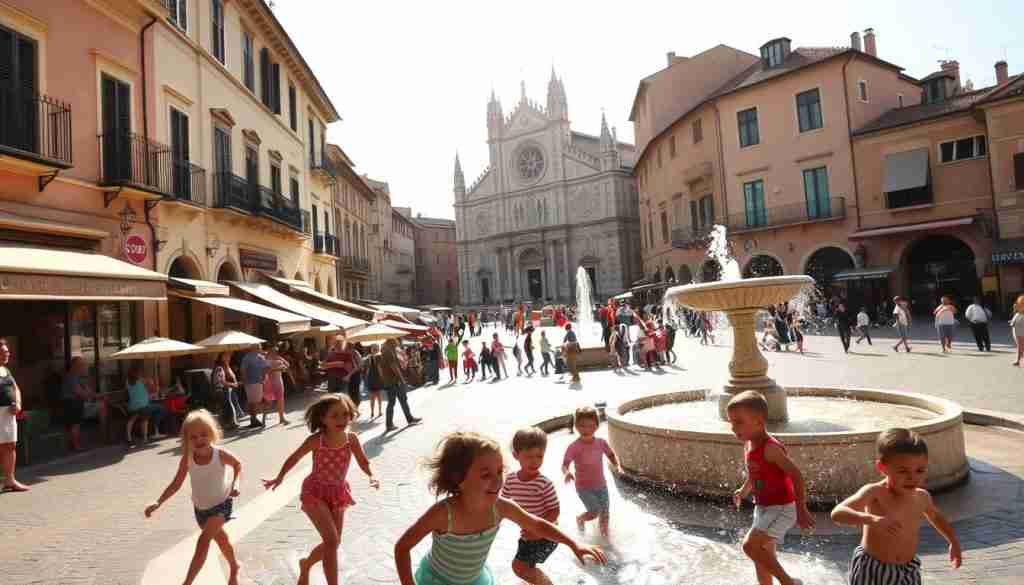
Specialized tour operators offer treasure hunts and storytelling walks that bring history to life. These guided experiences turn ancient architecture into exciting puzzles and legends. They’re particularly available during school holidays when demand increases.
Interactive Historic Tours
Vernavola Park serves as an ideal family destination with playgrounds and picnic areas. Children can burn energy while parents relax in beautiful green spaces. The park welcomes dogs, making it perfect for pet-owning families.
Well-planned walking routes balance cultural sites with breaks at gelaterias and riverside spots. These itineraries accommodate shorter attention spans and different mobility levels. They create sustainable exploration for a full day of discovery.
Throughout the year, special events introduce children to Italian traditions through festivals and markets. These celebrations provide entertainment in authentic settings rather than commercialized venues. They create memorable cultural encounters for young travelers.
Practical considerations include stroller-friendly routes through cobbled streets and family-friendly restaurants. The generally welcoming attitude toward children in cultural spaces enhances the experience. These thoughtful details make visits comfortable for all ages.
Culinary Delights and Local Flavors
Beyond architectural wonders, Pavia’s culinary landscape offers equally compelling discoveries. The city’s location near the Ticino River and Lombardy’s agricultural richness created distinctive specialties. These flavors reflect centuries of tradition and local ingredients.
Traditional Dishes to Try
Start with antipasti like Salame di Varzi DOP, a prized cured meat from the Oltrepò Pavese area. Pair it with Michetta Pavese crispy bread rolls for authentic local tasting.
Signature pasta dishes include Agnolotti di Stufato filled with slow-cooked meat. Don’t miss Risotto alla Certosina featuring crayfish and herbs from the monastery.
Meat specialties define the region’s heartier fare. Ossobuco alla Pavese presents braised veal shank with gremolata. Adventurous eaters can try Rane Fritte from the river region.
| Dish Type | Signature Specialties | Key Ingredients |
|---|---|---|
| Antipasti | Salame di Varzi, Michetta, Panfritto | Cured meats, hollow bread, fried dough |
| Pasta/Rice | Agnolotti, Risotto Certosina, Zuppa Pavese | Slow-cooked meat, crayfish, broth-egg-Parmesan |
| Main Courses | Ossobuco, Rane Fritte, Cassoeula | Veal shank, frogs, pork-cabbage |
| Desserts | Torta Paradiso, Torta San Siro, Offelle | Sponge cake, almonds, shortbread |
Local Street Food and Sweet Treats
Street food options include arancini available at local food courts. The cacio e pepe version costs around €3 for a quick, delicious bite.
Sweet treats showcase local bakery traditions. Torta Paradiso sponge cake and Torta di San Siro almond cake honor the patron saint. Modern options include food-saving apps like Too Good To Go.
Many places in the city offer surprise pastry boxes for €4. This combines budget-friendly eating with environmental consciousness.
Day Trips and Itinerary Ideas
Whether arriving for a single day or extended stay, thoughtful scheduling ensures travelers experience the rich tapestry of Lombard heritage. This destination serves as an excellent day trip from Milan, just 45 minutes by train for approximately €4 per person.
Our comprehensive five-day framework balances major monuments with hidden gems. Each day focuses on specific themes while allowing flexibility for spontaneous discoveries.
The first day establishes orientation with central landmarks. Visitors explore Castello Visconteo and Civic Museums before admiring the Duomo. A sunset walk along Ponte Coperto creates memorable moments.
Day two emphasizes religious architecture with morning visits to Certosa di Pavia followed by the basilicas. Evening cultural programming at Teatro Fraschini completes the experience.
Subsequent days explore university life, botanical gardens, and nature reserves. The final day features market visits and culinary immersion. This approach allows deep engagement without feeling rushed.
Optimal visiting times vary by attraction. Outdoor sites suit morning or late afternoon hours, while museums work well during midday heat. Coordinating opening times with dining schedules enhances the overall experience.
Travelers can adapt this framework for shorter visits by prioritizing key landmarks. Extended stays permit exploration of nearby wine country or connections to Milan and Turin.
Practical Tips for Visiting Pavia
Effective trip planning transforms a good vacation into an exceptional cultural experience, starting with smart transportation choices. Our practical guide ensures you make the most of your time in this remarkable destination.

Getting There and Getting Around
International travelers typically fly into Milan’s three airports. Malpensa, Linate, and Bergamo offer convenient access. From there, regular trains connect to Pavia in approximately 30 minutes.
The journey from Milano Centrale station costs around €4 one-way. Trains depart every half hour, making scheduling flexible. The compact historic center is highly walkable once you arrive.
Local buses provide accessible transport for reaching outlying attractions. Specialized wheelchair-accessible tour services ensure comprehensive exploration for all visitors.
Best Times to Experience Pavia
Spring brings mild 10-20°C temperatures perfect for outdoor exploration. Blooming gardens and festivals like the May Festa di San Siro create vibrant atmospheres.
Summer offers warm evenings ideal for riverside strolls. However, July-August heat requires planning indoor visits during midday hours.
Autumn provides perhaps the optimal visiting period. Pleasant 10-25°C weather combines with harvest season experiences and reduced crowds.
Winter visits feature cooler temperatures and atmospheric fog. The December Christmas Market and cozy cafes serving traditional dishes create memorable seasonal experiences.
Planning Your Visit: Accommodations in Pavia
The right lodging serves as your home base for discovering the authentic character of this Italian gem. Our curated selection ensures comfortable stays across all budget levels, with each property rated 8/10 or higher for quality and guest satisfaction.
Range of Options: Budget to Luxury
Budget-conscious travelers find excellent value at Appartamento Pavia, offering kitchen facilities for independent stays. Residence Il Cascinetto provides practical amenities with parking, ideal for road-trippers. L’appartamento del Borgo combines bright décor with convenient neighborhood shopping.
Mid-range options elevate comfort without premium pricing. Golgi Suite features sleek modern design near the center. La Cà di Sogn offers charming atmosphere with outdoor spaces. UniHo Hostel delivers hotel-quality rooms in the vibrant university area.
Luxury seekers enjoy exceptional experiences at Il 64B’s stylish old-town apartment with private balcony. Arnaboldi Palace showcases historical grandeur with frescoed ceilings. Grey House Pavia presents minimalist design with natural materials.
| Accommodation Type | Best For | Key Features | Location Advantage |
|---|---|---|---|
| Budget Apartments | Independent travelers | Kitchen facilities, value pricing | Local neighborhood immersion |
| Mid-Range Hotels | Comfort seekers | Enhanced amenities, style | Walkable to main attractions |
| Luxury Properties | Special occasions | Premium services, unique design | Prime central locations |
Consider location trade-offs carefully. Central properties offer walkable access to monuments. Peripheral accommodations provide parking, lower prices, and authentic local experiences.
Book well in advance during spring and autumn peak seasons. The city’s manageable tourism levels compared to Milan mean greater availability and flexibility for last-minute planners.
Conclusion
In the final reflection on this captivating Italian city, travelers discover that its greatest appeal lies in the harmonious blend of monumental architecture and everyday authenticity. The destination offers a remarkable concentration of heritage within a manageable, walkable urban environment.
While it may lack the international fame of Italy’s most visited destinations, this relative obscurity becomes its greatest strength. Visitors enjoy the privilege of discovering treasures without competing with overwhelming crowds, allowing for meaningful cultural immersion.
The diversity of experiences—from grand cathedrals to intimate medieval alleys—rewards both brief visits and extended stays. Taking sufficient time to explore reveals layers of history that unfold through spontaneous discoveries and genuine local interactions.
This Lombard gem stands as a testament to how authentic travel experiences thrive where centuries of heritage meet contemporary vitality. It invites visitors to embrace both planned itineraries and the magic of unexpected moments.