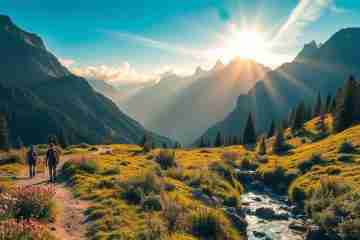
Nestled between rolling hills and rugged peaks, this region offers a captivating blend of natural grandeur and cultural depth. Its mountainous terrain invites travelers to discover winding trails, serene valleys, and panoramic vistas that stretch endlessly. At the heart of it all lies a historic city where medieval architecture meets modern comforts, creating a harmonious backdrop for unforgettable journeys.
From leisurely walks through alpine meadows to challenging hikes along rocky ridges, the area caters to every adventurer’s pace. Those seeking cultural immersion will find centuries-old villages, art-filled chapels, and seasonal festivals that celebrate local traditions. For visitors eager to explore independently, self-guided tours provide flexible itineraries tailored to diverse interests.
Summer and autumn reveal the landscape’s vibrant personality, with wildflower blooms giving way to golden foliage. Winter transforms the slopes into a haven for snow sports, while spring awakens hidden waterfalls and wildlife. Each season offers distinct opportunities to connect with nature and uncover the region’s hidden gems.
Key Takeaways
- Discover authentic experiences blending outdoor adventure with rich cultural heritage
- Experience a unique fusion of historic charm and contemporary amenities
- Explore diverse activities across seasons, from hiking to cultural festivals
- Gain expert insights for planning memorable itineraries
- Access practical tips for navigating trails and local customs
- Find curated recommendations for scenic routes and hidden landmarks
Introduction to the Bergamo Alps Experience
Discover a place where earth’s raw beauty harmonizes with the craftsmanship of generations. This mountainous area thrives as a living gallery, where nature’s grandeur intertwines with human creativity. Visitors find themselves immersed in an environment where stone villages blend seamlessly with cliffside vistas, and trails reveal surprises like weathered sculptures or frescoed chapels.
The region’s charm lies in its ability to balance tradition with innovation. While ancient pathways wind through chestnut forests, modern art installations dot the landscape, creating unexpected moments of wonder. Local artisans keep centuries-old techniques alive, crafting everything from hand-carved woodwork to intricate textiles—things that transform simple souvenirs into meaningful connections.
Adventure here extends beyond physical exploration. The area invites travelers to engage with its stories: hike past terraced vineyards that double as open-air museums, or attend workshops where cheese-making becomes performance art. Even the architecture tells a tale, with slate-roofed barns mirroring the angular slopes of surrounding peaks.
Whether tracing riverside trails or savoring sunset views over olive groves, every experience feels curated by both nature and culture. This is a destination where fresh mountain air carries whispers of history, and every turn promises new things to uncover—a true crossroads of earth’s majesty and human imagination.
Exploring Orobie Park and Wilderness
Spanning nearly 70,000 hectares, Orobie Park’s untamed landscapes offer a mosaic of ecosystems. This protected place blends jagged peaks with alpine meadows, where golden eagles soar above ancient glaciers. Visitors can spend a full day traversing trails that reveal hidden waterfalls, rare wildflowers, and panoramic views stretching to distant horizons.
Biodiversity and Scenic Trekking Routes
The mountains here host over 1,500 plant species and wildlife like chamois and ibex. Adventurers tackle the Sentiero dei Fiori, a high-altitude path weaving through cliffs and alpine gardens. For multi-day journeys, the Gran Via delle Orobie spans 85 km, connecting valleys and historic shepherd huts.
Accessible Trails and Nature Walks
Orobie Park prioritizes inclusivity with graded paths suitable for wheelchairs and strollers. Gentle routes like Val di Scalve feature interpretive signs explaining local ecology. Guided day hikes unlock secrets of the terrain, from medicinal herbs to glacier-carved rock formations.
| Route | Distance | Difficulty | Key Features |
|---|---|---|---|
| Sentiero dei Fiori | 10 km | Challenging | Cliffside paths, 2,500m elevation |
| Gran Via delle Orobie | 85 km | Moderate | Valley crossings, historic sites |
| Val di Scalve Loop | 4 km | Easy | Accessible paths, wildlife spotting |
Families and seasoned hikers alike find this place ideal for day trips. Elevated botanical gardens at 2,000 meters showcase flora adapted to harsh climates. Each trail in these mountains tells a story—whether tracing glacial moraines or spotting edelweiss clinging to sunlit slopes.
The Verdant Cathedral on Pizzo Arera
Rising above the tree line, Pizzo Arera’s crown jewel isn’t carved from stone but shaped by centuries of growth. Here, fir, chestnut, and beech trees intertwine in a way that defies expectation—their branches arching like vaulted ceilings to form the “Verdant Cathedral.” This organic masterpiece stands as a testament to nature’s architectural genius.
Local lore suggests the grove’s formation began during medieval times when villagers planted saplings in sacred patterns. Over generations, wind and seasons guided the trees into their current harmonious arrangement. Today, the site pulses with history, serving as both a spiritual landmark and a living record of ecological resilience.
A Living Sculpture Crafted by Nature
Sunlight filters through the canopy in stained-glass hues, casting dappled shadows on moss-covered “pews.” The cathedral’s heart features a central clearing where roots twist into natural altars—a space that invites quiet reflection. Visitors often describe an almost reverent atmosphere, as if the forest itself whispers stories of the past.
Accessible via a gentle 40-minute trail from the mountain’s base, this destination blends convenience with wonder. Its design mirrors traditional religious structures in a way that feels intentional yet entirely spontaneous. Modern hikers walk the same paths once trod by shepherds and pilgrims, connecting eras through shared awe.
More than a curiosity, the grove symbolizes humanity’s enduring dialogue with nature. It challenges perceptions of history by proving that landscapes can evolve into collaborative art. For those seeking moments of serenity, this living sanctuary remains at the heart of the region’s natural mystique—a place where earth and time conspire to create magic.
Aquatic Wonders: Lakes, Streams, and the Serio Waterfalls
Water shapes this region into a liquid masterpiece. Over 100 alpine lakes shimmer like scattered jewels, their colors shifting from emerald to sapphire under changing skies. The Serio Waterfalls in Valbondione steal the spotlight—Italy’s tallest cascade plunges 315 meters in three thunderous tiers, mist painting rainbows in its wake.
Fishing, Cascading Waters, and Alpine Lakescapes
Anglers find quiet bliss along mirror-still shores, casting lines for trout in waters reflecting Lake Como-inspired vistas. Streams ribbon through valleys, their banks dotted with wildflowers and weathered stone bridges. These waterways create natural amphitheaters where light dances on rapids and calm pools alike.
| Feature | Highlights | Best For |
|---|---|---|
| Alpine Lakes | 100+ vibrant bodies of water | Kayaking, photography |
| Serio Waterfalls | Three-tiered cascade | Adventure hikes |
| Mountain Streams | Ancient stone bridges | Meditative walks |
Historic paths near waterways echo the charm of Piazza Vecchia, where cobblestones meet liquid artistry. Families picnic beside cascades while seasoned explorers tackle trails linking waterfalls to hidden grottos. Each turn reveals new perspectives—sunlight filtering through mist or trout darting beneath crystalline surfaces.
Evening transforms lakes into liquid mercury, perfect for reflective moments. Whether chasing adrenaline near roaring falls or sketching lakeside vistas, the region proves water isn’t just scenery—it’s the lifeblood of unforgettable journeys.
Bergamo Alps tourist attractions: A Cultural and Artistic Journey
Where rugged terrain meets artisanal mastery, the region unfolds as a tapestry of flavors and handcrafted traditions. Centuries-old cheese caves and woodcarving workshops reveal a living heritage preserved through generations. Local markets brim with Formai de Mut—a sharp alpine cheese aged in mountain cellars—and creamy Taleggio crafted using medieval recipes.
Traditional Delicacies and Local Craftsmanship
Ecomuseums like Casa del Formaggio showcase dairy artisans shaping cheese wheels by hand, while family-run botteghe display intricate ironwork and lace textiles. These crafts thrive alongside modern galleries in city Bergamo, where contemporary sculptures contrast with historic cobblestone lanes. Visitors exploring by car can easily reach clusters of workshops near Lake Garda, blending lakeside leisure with cultural discovery.
| Artisanal Experience | Location | Signature Product |
|---|---|---|
| Val Taleggio Cheese Route | Valley villages | Aged Taleggio |
| Woodcarving Workshops | Clusone | Hand-carved furniture |
| Textile Markets | Piazza Vecchia | Linen embroidery |
Weekly markets in city Bergamo offer more than souvenirs—they’re windows into regional identity. Travelers can sample polenta e osei (sweet almond cakes) while watching blacksmiths forge decorative hinges. A 45-minute car ride connects these hubs to Lake Garda, where olive oil tastings and lemon groves add Mediterranean flair to alpine adventures.
For optimal exploration, rent a car to navigate winding roads linking dairy farms to lakeside promenades. Prioritize visits to early-morning markets, when bakers and cheesemongers unveil fresh creations. Supporting these artisans ensures their traditions endure—one hand-rolled pasta sheet or carved walnut frame at a time.
Alpine Adventures: Skiing, Mountain Biking, and Hiking
Thrill-seekers and nature lovers find their rhythm in a landscape sculpted for adventure. Val Seriana and Val Brembana’s 300+ km of trails cater to every skill level, from gentle slopes for novices to heart-pounding descents for experts. Centrally located town hubs streamline access, with transport services cutting travel minutes to key starting points. Whether carving fresh powder or pedaling through wildflower meadows, the region delivers adrenaline and awe in equal measure.

Ski Slopes, Downhill Thrills, and Mountain Trails
Winter transforms the town into a snowy playground, where 40+ ski lifts serve slopes with panoramic valley views. Cross-country routes wind through frosted pines, while freeride zones challenge seasoned skiers. Come summer, mountain biking trails like the Brembana Flow offer technical descents and banked turns, rewarding riders with cliffside vistas.
Historic Routes and Iconic Mountain Huts
Centuries-old paths connect stone refuges like Rifugio Laghi Gemelli, where hikers savor stews made from local ingredients. These trails double as open-air museums, passing WWI fortifications and shepherd carvings. The center of this network—Casa delle Guide—provides safety briefings and gear rentals, ensuring seamless transitions between routes.
Families enjoy gentle walks to Rifugio Coca, reachable in 90 minutes from parking areas. For multi-day treks, the Via delle Orobie links seven historic huts, each offering hearty meals and folklore-rich evenings. Spring through autumn delivers ideal conditions, though winter demands expert guidance from the town’s certified outfitters.
Discovering Ecomuseums and Traditional Alpine Villages
Step into villages where time-honored traditions breathe life into every stone and meadow. Ecomuseums like Valgerola’s network of historic sites transform daily rituals into living exhibits. Centuries-old dairy barns and honey farms operate alongside interactive displays, framing views of terraced pastures against rugged peaks.
Ancient walls of stacked stone trace property lines and pilgrimage routes, their weathered surfaces bearing witness to generations. These structures anchor cultural narratives, from medieval trade routes to seasonal grazing practices. Modern signage deciphers their secrets, bridging past and present.
Local Heritage and Culinary Traditions
Bitto cheese—aged in cool cellars since the 13th century—epitomizes preservation efforts. Artisans demonstrate techniques passed through families, turning summer milk into wheels of sharp, nutty flavor. Nearby apiaries produce wildflower honey, its taste shifting with the mountain blooms.
Guided tours reveal how villages adapted to alpine life. Touchscreen maps overlay historic views onto current landscapes, showing vanished trails and expanded settlements. Hands-on workshops invite visitors to shape butter or weave rye straw baskets.
Autumn harvests and spring blossom festivals offer prime moments to savor authenticity. Pair golden polenta with aged cheeses as church bells echo off valley walls. These experiences don’t just showcase heritage—they keep it thriving in modern mountain communities.
Unveiling Bergamo’s Historic Cityscape and Citta Alta
Ascending through time, the historic upper city offers a journey into Italy’s storied past. Citta Alta’s medieval streets curve like pages from an illuminated manuscript, revealing 12th-century torri (towers) and Renaissance-era courtyards. At its heart, Piazza Vecchia captivates with the Contarini Fountain and Palazzo della Ragione’s arched colonnades—a square that has hosted markets and gatherings for eight centuries.

Elevated Perspectives and Timeless Pathways
The iconic funicular transports visitors 85 meters upward in under three minutes, connecting modern lower districts to this UNESCO-worthy enclave. From its glass cabins, travelers gain sweeping views of terracotta rooftops cascading toward distant valleys—a living postcard best appreciated at golden hour.
Exploring on foot unveils Santa Maria Maggiore’s intricate tapestries and the Campanone tower’s nightly bell ritual. Guides often pause at Via Gombito’s narrowest point—just 1.8 meters wide—to share tales of medieval trade rivalries. For deeper immersion, twilight walking tours trace ancient Venetian walls while recounting sieges that shaped the city’s DNA.
Practical navigation tips enhance visits:
- Wear supportive shoes for uneven cobblestones
- Purchase combo tickets for multiple landmarks
- Visit basilicas early to avoid crowds
Modern touches blend seamlessly with heritage—Wi-Fi hotspots hide near 15th-century frescoes, and accessible ramps wind beside Baroque staircases. Whether marveling at the Biblioteca Civica’s celestial maps or sipping espresso where scholars once debated, every step through Citta Alta bridges past and present.
Valle Seriana and Valle Brembana: Exploring Mountain Valleys
Carved by ancient glaciers, these valleys serve as gateways to raw natural beauty. Winding roads like the Presolana Pass reveal cliffs draped in wildflowers, while stone villages cling to slopes where time moves slower. Every turn rewards travelers with scenes where rushing water harmonizes with vast skies.
Scenic Drives and Authentic Local Experiences
The SP47 highway twists through natural amphitheaters, passing hamlets like Clusone with its medieval astronomical clock. Stop at village squares where farmers sell honey beside 15th-century fountains. For deeper immersion, join cheesemakers in Ardesio or trace frescoed chapels along quiet backroads.
Walking Trails and Perspective-Changing Views
Paths like Sentiero delle Orobie climb past chestnut groves to top ridges overlooking emerald valleys. At 1,800 meters, the Presolana summit unveils a 360-degree canvas of peaks and water-carved gorges. Gentler routes follow streams to hidden mills, their wheels still turning after centuries.
Reaching the top of Val di Scalve by late afternoon guarantees golden light spilling across alpine meadows. Local guides recommend packing layers—weather shifts swiftly at elevation. Whether exploring by car or bus, allow time to linger at viewpoints where the world feels both immense and intimately close.
Off-the-Beaten-Path: Hidden Gems and Secret Destinations
Beyond the well-trodden trails lie pockets of undisturbed beauty where silence speaks louder than crowds. These secluded areas reward those willing to trade convenience for discovery, offering intimate encounters with nature’s untouched artistry.
Discovering Lesser-Known Alpine Corners
Val Vertova’s emerald gorge remains a local secret, accessible via a winding path that reveals tiered waterfalls and moss-covered boulders. Few spend hours here, but those who do find stone bridges from the 1600s and rock carvings left by charcoal burners.
Near Lago Branchino, a glacial lake mirrors the sky in perfect stillness. Its shores lack signage or facilities, preserving an experience of raw wilderness. Locals whisper about a sunken chapel visible through crystalline waters during drought years.
For cultural seekers, the frescoed Santuario di San Patrizio clings to a cliffside. Reaching it requires navigating narrow switchbacks, but the 15th-century artwork inside justifies the effort. Time moves differently in these areas—mornings stretch into afternoons as visitors lose themselves in contemplation.
Travelers gain profound insights by dedicating extra hours to these sanctuaries. A shepherd’s trail near Monte Grem leads to wild thyme fields where bees produce honey with distinct floral notes. Such moments create an experience that curated tours rarely match.
Local tip: Visit midweek when fog drapes valleys like lace, amplifying the mystical atmosphere. These landscapes remind us that true discovery begins where pavement ends.
Conclusion
From sunlit peaks to moonlit piazzas, this region weaves natural splendor with cultural richness. Its villages—perched like storybook illustrations—anchor a landscape where waterfalls roar and artisans shape heritage into tangible form. Days unfold with hikes through wildflower valleys or wandering through ancient neighborhoods, while night brings candlelit dinners in stone-walled trattorias and stargazing from hilltop ruins.
Travelers find seamless transitions between adventures: savoring aged cheeses at dawn markets, then tracing trails to hidden groves by afternoon. The area’s villages serve as living museums, their cobbled lanes echoing centuries of trade and tradition. After dark, night skies transform into celestial theaters, unobscured by city lights.
Positioning the historic base here allows effortless access to alpine valleys and lakeside retreats. Whether seeking rugged summits or quiet vineyard paths, every journey circles back to this cultural crossroads. Pack curiosity—and sturdy shoes—to fully embrace its layered wonders.
Ready to craft your story? Let this base launch explorations where nature’s drama meets humanity’s enduring creativity. Your chapter begins now.