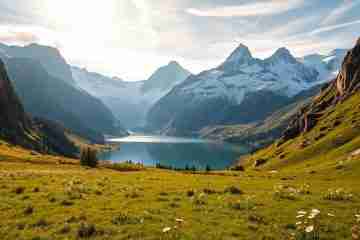
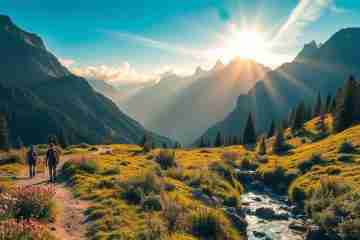
Nestled in northern Italy’s Lombardy region, the Bergamo Alps blend rugged peaks with cultural treasures. This area attracts travelers seeking alpine adventures and historic charm. Accessible trails wind through the Orobie Prealps, while ancient architecture tells stories of medieval trade routes.
From serene hikes in Parco delle Orobie Bergamasche to panoramic funicular rides, the region balances nature and heritage. The Venetian Walls, a UNESCO World Heritage Site, frame the historic Città Alta (Upper City), offering postcard-worthy views of valleys below. Local guides recommend sunrise visits to avoid crowds and capture golden-hour photography.
Adventure seekers will find hidden waterfalls and alpine lakes, while culture enthusiasts explore frescoed churches and artisan workshops. Our guide combines insights from mountain experts and travel planners to highlight trails, dining spots, and seasonal events. Whether you’re planning a weekend escape or a week-long trek, this resource simplifies itinerary-building.
Key Takeaways
- Discover accessible trails in Orobie Park with diverse difficulty levels.
- Explore the Venetian Walls and Città Alta for historic architecture.
- Capture breathtaking valley views from elevated vantage points.
- Ride the funicular for a scenic connection between Upper and Lower Bergamo.
- Find curated recommendations for seasonal activities and local cuisine.
Discovering the Bergamo Alps Experience
In the heart of northern Italy, the Bergamo Alps stand where dramatic mountains meet medieval history. This area captivates with stone villages clinging to hillsides and terraced vineyards that slope into valleys. A network of trails weaves through wildflower meadows, offering hikers panoramic views of the Orobie Prealps.
Introduction to the Region
Centuries of Venetian rule left an indelible mark on the region’s architecture, visible in arched porticos and frescoed palazzos. The UNESCO-listed Città Alta, a fortified upper town, preserves cobblestone streets lined with artisan boutiques and trattorias serving polenta e osèi. Local historian Marco Rossi notes,
“This area is a living museum—every corner whispers stories of silk traders and alpine shepherds.”
What Makes Bergamo Unique
Few destinations blend nature and culture as seamlessly. Morning hikes to peaks like Monte Misma reward travelers with vistas stretching to Lake Como, while afternoons invite leisurely exploration of Romanesque churches. The funicular railway provides a time-efficient way to ascend between Bergamo’s lower and upper towns, freeing up more time for truffle tastings or seasonal festivals like the Fiera di Sant’Alessandro.
Day trips here feel expansive—visitors can savor chestnut forests, medieval towers, and local Taleggio cheese all in a single day. It’s this harmony of rugged terrain and refined heritage that defines the region’s timeless appeal.
Navigating the Bergamo Alps: Getting There and Around
Reaching this alpine destination blends modern convenience with scenic journeys. Efficient transport networks connect travelers to medieval villages and trailheads, ensuring seamless exploration.
Transport Options and Airport Tips
Milan Bergamo Airport serves as the primary gateway, located just 5 kilometers from the city center. The #1 bus route offers direct transfers every 20 minutes, with tickets purchasable via the ATB mobile app. Early arrivals can optimize their schedule by aligning flights with regional bus operating hours (6:00 AM – 11:30 PM).
Local Travel Solutions and Funicular Rides
The historic funicular, operational since 1887, remains the fastest way to ascend to Bergamo Alta. This iconic transport runs every 7-15 minutes, eliminating parking challenges in the upper town’s narrow streets. A local guide remarks,
“The three-minute ride isn’t just practical—it’s a moving viewpoint of the region’s layered beauty.”
For multi-destination itineraries, combine the funicular with ATB’s electric buses. These eco-friendly vehicles access remote parts of the Orobie Prealps, including trailheads often missed by first-time visitors. Day passes (€5) provide unlimited access across all modes, making them ideal for flexible explorers.
Must-Visit Natural Attractions in the Alps
Spanning nearly 70,000 hectares, Parco delle Orobie Bergamasche stands as a sanctuary where alpine meadows merge with jagged peaks. This protected area shelters over 1,500 plant species and wildlife like ibexes, making it a biodiversity hotspot for nature enthusiasts.
Scenic Trails and Biodiversity in Orobie Park
The park’s Sentiero dei Fiori trail dazzles hikers with summer wildflower displays, while the 90-kilometer Gran Via delle Orobie challenges trekkers with panoramic ridge walks. Ancient mule tracks reveal the history of iron mining, with rusted tools still visible near Val di Scalve.
| Trail Name | Distance | Elevation Gain | Key Features |
|---|---|---|---|
| Sentiero dei Fiori | 10 km | 650m | Alpine flowers, ibex sightings |
| Gran Via delle Orobie | 90 km | 4,200m | Multi-day trek, mountain huts |
| Val di Scalve Loop | 15 km | 800m | Historic mines, waterfall views |
Early mornings often reward visitors with chamois grazing near trails. Local guides recommend packing layers—weather shifts rapidly at higher elevations. These places blend physical activity with ecological discovery, perfect for half-day or multi-stop adventures.
For a deeper connection to the history of these landscapes, follow routes marked by centuries-old stone walls. These timeless routes link secluded valleys to panoramic viewpoints, offering glimpses into the region’s pastoral past.
Top Things to Do in Bergamo Alps
From adrenaline-fueled trails to quiet forest paths, this region offers outdoor pursuits for every traveler. Many natural wonders require minimal entrance fees, letting visitors maximize their time and budget. Whether exploring ancient routes or modern bike tracks, each hour spent here uncovers new layers of alpine beauty.
Best Outdoor Activities
Hikers can tackle the Monte Aralalta Trail, a 12-kilometer loop with 850 meters of elevation gain. Mountain bikers flock to Val Brembana’s technical singletracks, while families enjoy gentler paths leading to Rifugio Laghi Gemelli, a refuge operating since the 19th century. Early mornings optimize trail access before midday crowds arrive.
| Activity | Duration | Distance | Highlights |
|---|---|---|---|
| Monte Aralalta Hike | 4-5 hours | 12 km | 360° summit views |
| Val Brembana Biking | 2-3 hours | 18 km | Forest descents |
| Laghi Gemelli Visit | 1 hour | 3 km | Alpine lake picnic spots |
Hidden Nature Gems
Discover the Torre dei Bèci, a 14th-century watchtower standing 22 meters tall near Branzi. Few tourists find the cascading waterfalls of Val Nossana, accessible via unmarked paths. Local guides recommend the Sentiero del Vento—a wind-sculpted ridge walk with panoramic valley vistas. These lesser-known sites reveal the area’s wild heart without crowded entrance lines.
Cultural and Historic Treasures of Bergamo
Time-worn cobblestones lead travelers through centuries of layered history in this Lombardy gem. Bergamo’s cultural identity thrives in its preserved medieval core, where every archway and tower whispers tales of Venetian influence and alpine resilience.
Exploring Medieval Architecture
The Basilica Santa Maria Maggiore stands as a masterpiece of Lombard Romanesque design. Its 12th-century frescoes and intricate tapestries showcase artistic evolution across 800 years. Nearby, the Campanone tower still rings its original bell—a symbol of civic pride since the 1600s.
Wander through Piazza Vecchia’s arcades to discover hidden courtyards adorned with weathered stone carvings. Local historian Giulia Moretti notes:
“These structures survived plagues and wars because they were built with communal purpose—each stone tells of Bergamo’s enduring spirit.”
UNESCO Venetian Walls and Landmarks
Bergamo’s 16th-century defensive walls stretch 6 kilometers, featuring seven bastions that blend military engineering with panoramic vistas. The UNESCO site integrates:
| Landmark | Era | Key Feature |
|---|---|---|
| Porta San Giacomo | 1592 | White marble gateway |
| Basilica Santa Maria | 1137 | Golden interior mosaics |
| Rocca di Bergamo | 1331 | 360° observation platform |
A one day itinerary could start at the walls’ sunrise viewing points, followed by the basilica’s afternoon light show. Evening passeggiate along Via Gombito complete the day Bergamo experience, passing artisan shops operating for generations.
These landmarks form a living timeline—from medieval spires to Renaissance fortifications—proving Bergamo’s ability to honor its past while welcoming modern explorers.
Outdoor Adventures and Thrilling Escapades
Adventure pulses through every trail and ridge in this Italian alpine region. Routes here seamlessly connect rugged terrain with cultural landmarks, offering explorers both physical challenges and visual rewards. The Decauville delle Orobie, a repurposed mining railway, now serves as a thrilling mountain biking path with gradients for all skill levels.

Hiking, Trekking, and Mountain Biking Routes
The Sentiero della Torre Civica trail winds through chestnut groves before revealing the 12th-century civic tower near Branzi. Cyclists tackling the Val Seriana Panoramica route enjoy panoramic views of the basilica santa’s spires piercing the skyline. These paths merge exertion with discovery—one moment you’re navigating switchbacks, the next spotting the Colleoni Chapel through a break in the trees.
| Route | Type | Distance | Landmarks |
|---|---|---|---|
| Decauville delle Orobie | Biking | 18 km | Old mining tunnels |
| Sentiero della Torre Civica | Hiking | 8 km | Civic tower, Colleoni Chapel |
| Val Seriana Panoramica | Trekking | 14 km | Basilica Santa Maria Maggiore |
Seasonal Activities for Every Adventurer
Spring wildflowers frame the Colleoni Chapel on the part bergamo of the Sentiero dei Fiori trail. Summer transforms the Decauville route into a shaded cycling haven, while autumn paints the civic tower’s surroundings in fiery hues. Local guide Elena Marchetti advises:
“Winter snowshoeing near the basilica santa offers silent beauty—you’ll feel like the first to discover these landscapes.”
Each season reshapes the part bergamo experience, whether you’re photographing frost-kissed panoramic views or biking past the chapel’s sunlit marble façade. These adventures prove nature and history aren’t just neighbors here—they’re inseparable companions.
Day Trips and Itineraries for a Perfect Visit
Ambitious travelers can conquer Bergamo’s cultural and natural highlights in a single day with strategic planning. Early flights into Milan Bergamo Airport (BGY) enable arrivals by 8:00 AM, while late departures around 10:00 PM maximize exploration time. This approach lets visitors experience both the modern part city and UNESCO-listed upper district seamlessly.
Planning Your Extreme Day Trip
Begin with a 25-minute bus ride from Milan Bergamo Airport to Bergamo’s lower town. The historic funicular whisks travelers uphill in three minutes, connecting contemporary boutiques to medieval gates. Local guide Luca Ferrari advises:
“Book funicular tickets online to bypass queues—sunrise at the Venetian Walls beats the midday rush.”
An optimized trip Bergamo itinerary might include:
| Time | Activity | Highlights |
|---|---|---|
| 9:00 AM | Lower City Exploration | Via XX Settembre shopping |
| 11:00 AM | Funicular to Bergamo Alta | Panoramic ascent views |
| 1:00 PM | Santa Maria Maggiore Visit | Golden mosaics, tapestries |
| 4:00 PM | Venetian Walls Walk | Sunset photography spots |
End the day with a comprehensive walking tour through the part city’s cobblestone alleys. This balances fast-paced discovery with cultural immersion at key sites like the Santa Maria basilica. Detailed timing ensures smooth transitions between districts without missing return flights.
Culinary Delights and Local Flavors
Every meal here tells a story, from humble polenta to artisan cheeses aged in mountain caves. Bergamo’s cuisine reflects its alpine roots and Venetian influences, offering hearty dishes perfected over generations. Food lovers find equal joy in rustic taverns and Michelin-starred kitchens across the region.

Must-Try Dishes and Regional Cheeses
Polenta e osèi, a sweet cornmeal cake shaped like birds, honors medieval hunting traditions. Savory versions pair with braised meats or stracchino—a creamy cheese from alpine pastures. Don’t miss Formai de Mut, aged in mountain cellars for nutty depth. Local cheesemaker Carla Rota explains:
“Our recipes haven’t changed in 200 years. The mountains’ cool air is the secret ingredient.”
Best Cafes, Gelato Spots, and Authentic Treats
In urban areas, La Marianna serves bergamot-infused gelato since 1961. Mountain villages offer cozy stops like Rifugio Capanna 2000, where hikers refuel with chestnut-flour cookies minutes from scenic trails. For a sweet trip highlight, try strùfoli—honey-drenched dough balls at family-run Pasticceria Cavour.
Whether savoring truffle risotto in valley areas or sipping espresso overlooking peaks, each bite connects travelers to this land’s flavorful legacy.
Insider Tips for an Unforgettable Experience
Smart navigation transforms a good trip into an extraordinary journey through Bergamo’s hidden layers. Balancing efficiency with local charm requires knowing when to embrace modern tools and when to wander freely.
Local Secrets and Practical Advice
Renting a car unlocks remote villages like Branzi, but park outside historic centers to avoid narrow streets. For airport transfers, pre-book shuttle services from Milan Bergamo Airport through apps like Welcome Pickups—this skips taxi lines and ensures prompt arrivals.
Download the ATB Mobile App for seamless ticket purchases on buses and funiculars. Local guide Sofia Bianchi shares:
“The app’s real-time updates help visitors bypass midday crowds at Porta San Giacomo—arrive by 8:30 AM for silent streets and golden-hour photos.”
Weekday afternoons (2:00-4:00 PM) offer quieter explorations of Venetian Walls and artisan workshops. For authentic experiences, follow Via Borgo Santa Caterina’s boutiques after sunset, when locals gather for aperitivo.
| Transport Option | Best For | Pro Tip |
|---|---|---|
| Rental Car | Valleys & villages | Book compact models |
| Airport Shuttle | Stress-free arrivals | Pre-pay online |
| Funicular + App | Upper City access | Scan QR codes |
These strategies blend comfort with discovery, letting travelers savor Bergamo’s rhythm while maximizing their experience.
Conclusion
Blending alpine grandeur with centuries-old charm, the Bergamo region captivates explorers seeking both adventure and cultural depth. Hikers find serenity in Parco delle Orobie’s wildflower meadows, while history unfolds through UNESCO-listed walls and frescoed chapels. Each trail and cobblestone street reveals why this area remains a centre of natural beauty and human ingenuity.
Visitors immerse themselves in nature while sampling traditions like golden polenta dishes paired with aged Taleggio cheese. The chapel-dotted landscapes and Venetian fortifications create a living museum, drawing travelers from bustling cities worldwide. As a centre of heritage, Bergamo balances rugged peaks with artisan workshops where craftsmanship thrives.
By following curated itineraries and local dining tips, guests maximize their experience. Whether tracing ancient paths or savoring sunset views from the walls, this destination delivers authentic Italian allure. Here, nature’s raw power harmonizes with the centre’s timeless elegance—a testament to Lombardy’s enduring magic.