Nestled in the heart of northern Italy, this destination offers a truly remarkable journey. It stands apart from crowded tourist hubs, providing a serene and authentic experience. Visitors discover a place where Renaissance splendor meets everyday Italian life.
The legacy of the powerful Gonzaga dynasty is visible everywhere. Magnificent palaces house world-class art, and the entire historic center is a UNESCO World Heritage site. This recognition highlights its immense cultural and architectural value.
For those seeking genuine cultural immersion, it is certainly worth visiting. The compact layout, surrounded by three tranquil lakes, makes exploration a pleasure. Travelers can appreciate art, architecture, and acclaimed cuisine at a relaxed pace.
Our guide unlocks the secrets of this Lombardian treasure. It is designed for discerning travelers who crave depth beyond typical itineraries. Whether a day trip or a longer stay, the experience is unforgettable.
Key Takeaways
- Discover a beautifully preserved Renaissance destination free from large tourist crowds.
- Explore a UNESCO World Heritage site with extraordinary art and architecture.
- Enjoy an authentic Italian culinary experience recognized for its excellence.
- Navigate a compact, lakeside city perfect for relaxed, in-depth exploration.
- Gain insider knowledge to maximize your time, whether for a brief or extended visit.
Introduction to Mantua: A Historical Gem
Stepping into Mantua feels like opening a living history book, where every corner reveals a new chapter from a storied past. Its unique character stems from a remarkable timeline, visible in the very streets you walk.
Setting the Stage for Your Visit
Understanding this destination’s background transforms a simple trip into a profound journey. The area was first settled by Etruscans before becoming a Roman colony in the 2nd century BC.
This created deep historical layers. After the Roman Empire fell, various rulers controlled the area throughout the medieval period.
A Brief Look at Mantua’s Rich Past
The most transformative era began in the 14th century with the rise of the Gonzaga family. This powerful dynasty ruled for nearly 400 years.
Their ambitious patronage turned the locale into a major Renaissance hub. They attracted legendary artists who filled the area with breathtaking art and architecture.
This legacy earned a UNESCO World Heritage designation in 2007. The Gonzaga family‘s vision created an open-air museum that visitors can explore today. Their influence explains the rich culture found throughout the city.
Exploring the mantua city guide
Designed for discerning explorers who value substance over superficial tourism, our guide reveals the true essence of this remarkable destination. It serves as a trusted companion for those seeking authentic cultural encounters beyond typical tourist trails.
What Makes This Guide Essential
This resource stands apart through its deep local knowledge and carefully curated insights. Travelers gain access to perspectives typically reserved for residents and seasoned visitors.
The guide identifies the best things mantua offers, from grand palatial complexes to subtle architectural details. It ensures visitors experience both celebrated landmarks and hidden corners with equal appreciation.
Practical advice covers optimal visit timing, transportation options, and accommodation across various budgets. This comprehensive approach transforms trip planning from stressful to seamless.
Readers discover curated recommendations for experiencing the essential things mantua is famous for. These include authentic dining spots, perfect photography viewpoints, and cultural traditions.
The resource adapts to different travel schedules, offering suggestions for half-day visits or extended explorations. This flexibility makes it valuable for all types of travelers visiting the city.
By blending historical context with contemporary advice, the guide creates more meaningful connections with the destination. It helps visitors understand why sites matter, not just what to see.
As an uncrowded alternative to busier Italian destinations, this city offers peaceful discovery. Our guide maximizes this advantage for sophisticated travelers seeking genuine immersion.
Getting There and When to Visit Mantua
Accessing this UNESCO World Heritage destination is surprisingly straightforward, with excellent rail connections from nearby cities. The journey itself becomes part of the experience, offering scenic views of the Italian countryside.
Transportation Options and Arrival Tips
To get Mantua from major Italian hubs, travelers primarily rely on Italy’s efficient train system. The destination lacks its own airport, making rail travel the most practical choice.
Direct train services from Verona take just 45 minutes, making this an ideal day trip option. Connections from Bologna require about 90 minutes, while Milan offers services taking under 2 hours 15 minutes.
The train station sits conveniently on the western edge of the historic center. Visitors can walk to major attractions within 10 minutes, eliminating the need for additional transportation.
Best Times for a Relaxing Trip
This destination offers pleasant conditions throughout the year thanks to consistently low visitor numbers. Each season presents unique advantages for different types of travelers.
Spring and fall provide particularly comfortable temperatures and stunning natural scenery. Summer highs around 85°F remain pleasant for sightseeing compared to other Italian destinations.
For those planning a day trip, the compact layout allows comprehensive exploration in a single day. However, an overnight stay provides time for deeper immersion in the local culture.
Uncovering Must-See Landmarks and Historical Sites
The architectural treasures of this Lombardian gem form an extraordinary tapestry of Renaissance artistry and medieval charm. Visitors discover a world where every building tells a story of artistic patronage and cultural evolution.
Ducale Palace, Te Palace, and Iconic Churches
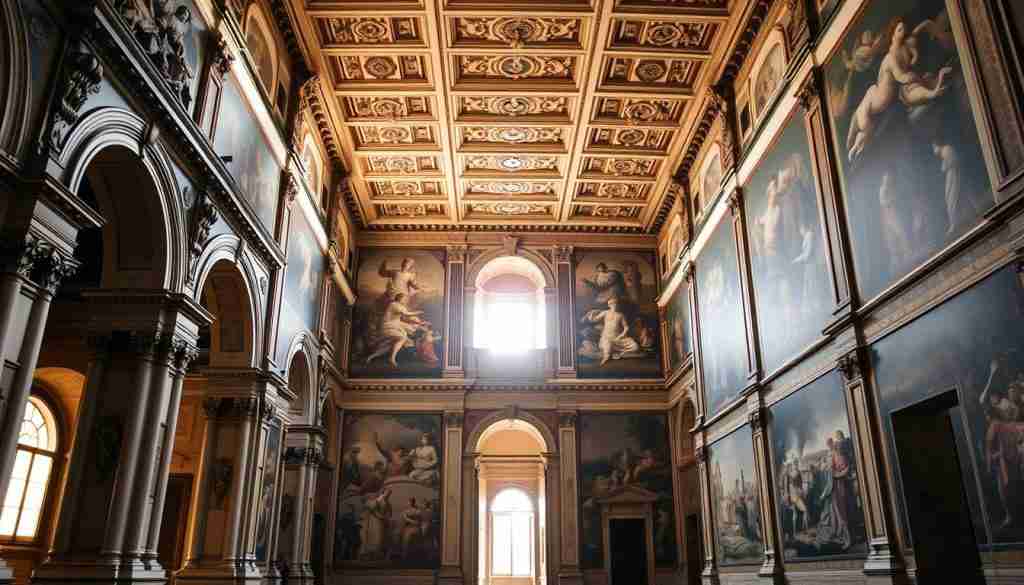
The magnificent Ducal Palace stands as the Gonzaga family’s grand residence. This sprawling complex contains over 1,000 rooms, including Andrea Mantegna’s famous Camera degli Sposi with its breathtaking ceiling frescoes.
Nearby, the Palazzo Te offers equally stunning mythological frescoes by Giulio Romano. The Chamber of the Giants creates an immersive artistic experience that transports visitors to another world.
Religious architecture shines through landmarks like the Basilica di Sant’Andrea. Designed in the 15th century by Leon Battista Alberti, this monumental church dominates the town center.
The Rotonda di San Lorenzo provides a contrasting experience. Dating to the 11th century, this circular church offers an intimate glimpse into medieval spirituality.
Squares and Towers with Timeless Charm
Piazza Sordello serves as the ceremonial heart of the historic center. This expansive square is lined with palatial facades and the cathedral.
Just steps away, Piazza delle Erbe buzzes with daily life. Cafes and shops surround this lively square, dominated by the impressive clock tower.
The 15th century clock tower houses a remarkable astronomical clock from 1473. This masterpiece tracks planetary movements alongside telling time.
These interconnected spaces create a walkable journey through centuries of architectural achievement. Each landmark contributes to the destination’s unique character.
Delightful Culinary Experiences in Mantua
Beyond the magnificent palaces and frescoes lies another dimension of Mantuan culture that delights the senses – its exceptional cuisine. The region’s agricultural heritage blends beautifully with centuries of courtly refinement.
Tasting Traditional Dishes like Pumpkin Tortelli
Tortelli di Zucca stands as the most iconic dish. These pumpkin-filled pasta parcels served with butter and sage offer a distinctive sweet-savory flavor. The combination surprises first-time visitors.
Beyond this famous preparation, the culinary repertoire includes hearty Risotto alla Pilota with sausage. Bigoli con le Sardelle demonstrates skill with preserved ingredients. Local salami and traditional cakes complete the experience.
Top Cafes, Bakeries, and Local Eateries
The historic center concentrates exceptional dining options. Traditional osterias like Osteria La Bottega serve authentic recipes. Michelin Guide-recommended establishments offer fine dining at reasonable prices.
Local bakeries provide perfect breakfast stops with regional specialties. Torta Sbrisolona, a crumbly almond cake, pairs wonderfully with coffee. Gelato artisans maintain exceptional standards for refreshing treats.
The best time to experience this cuisine arrives during fall when fresh pumpkins inspire menus. Plan reservations in advance, especially during weekend visits. This ensures access to the most sought-after establishments.
Architectural Wonders and Artistic Masterpieces
Two Renaissance masters, Andrea Mantegna and Giulio Romano, left an indelible mark on the architectural landscape through their revolutionary artistic visions. Their work represents the pinnacle of Renaissance innovation in this UNESCO World Heritage destination.
Masterful Frescoes and Renaissance Art
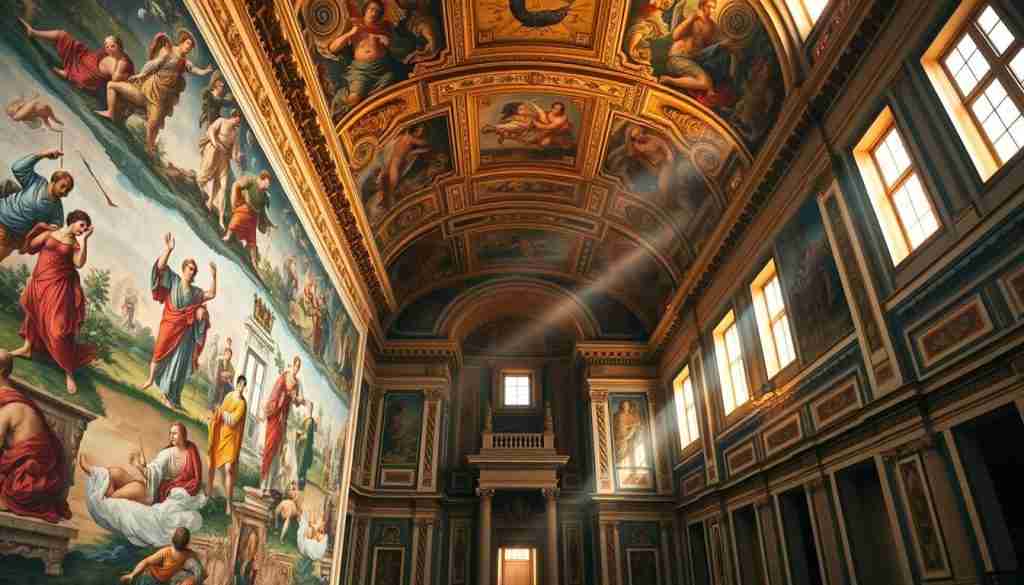
Andrea Mantegna‘s Camera degli Sposi in the Ducal Palace revolutionized perspective painting. Completed in the 15th century, its famous ceiling oculus creates an astonishing illusion of open sky.
Giulio Romano brought Mannerist brilliance to the 16th century with Palazzo Te’s dramatic frescoes. The Chamber of the Giants surrounds viewers with falling titans in a total artistic environment.
The Legacy of the Gonzaga Family
The Gonzaga family‘s patronage enabled these artistic achievements. They commissioned masterpieces that transformed ordinary palace rooms into extraordinary galleries.
Their vision created concentrations of Renaissance art rarely matched outside major cultural centers. The interior spaces continue to inspire visitors with their comprehensive aesthetic vision.
| Palace Feature | Andrea Mantegna’s Contributions | Giulio Romano’s Masterpieces | Century Created |
|---|---|---|---|
| Most Famous Room | Camera degli Sposi | Chamber of the Giants | 15th/16th Century |
| Artistic Style | Perspective Illusion | Mannerist Drama | Renaissance Period |
| Key Technique | Trompe-l’oeil Frescoes | Mythological Narratives | Innovative Methods |
| Patron Support | Gonzaga Family | Gonzaga Family | Sustained Patronage |
Outdoor Activities and Natural Beauty
Beyond the Renaissance palaces lies a natural wonderland defined by three magnificent artificial lakes. These waterways create a serene environment perfect for outdoor enthusiasts seeking peaceful recreation.
Scenic Walks Around the Lakes and Lotus Blooms
The three lakes—Lago Superiore, Lago di Mezzo, and Lago Inferiore—were engineered in the 12th century as defensive moats. Today they offer some of Italy’s most picturesque walking routes with stunning skyline reflections.
Summer brings the spectacular bloom of lotus flowers across extensive sections of water. These pink expanses create an almost otherworldly landscape, particularly in Lago Superiore where swans glide among the flowers.
Walking paths encircle the lakes, providing perfect photography opportunities. The best time to visit is during June and July when the flowers reach peak bloom.
Exploring Parks and Hidden Outdoor Corners
Cyclists can follow the Mincio path northward to Lake Garda, covering 44 kilometers of flat terrain. This route makes for an enjoyable full day excursion through scenic countryside.
Boat tours offer unique perspectives, allowing visitors to navigate among lotus flowers during blooming season. These excursions provide insights into the area’s medieval defensive positioning.
Sunset represents the ideal time to experience the lakes’ tranquility. Golden light illuminates the water while the city’s silhouette creates dramatic reflections.
| Activity Type | Best Locations | Seasonal Highlights | Time Commitment |
|---|---|---|---|
| Lakeside Walking | Lago Superiore Paths | Lotus Blooms (June-July) | 1-2 Hours |
| Cycling Adventures | Mincio Cycle Path | Spring/Fall Weather | Full Day Excursion |
| Boat Tours | All Three Lakes | Summer Lotus Season | 1-3 Hours |
| Photography | Sunset Viewpoints | Golden Hour Light | 30-60 Minutes |
Navigating the Best Neighborhoods and Local Experiences
The true essence of this destination reveals itself not in grand halls, but along quiet cobblestone lanes where daily life unfolds. Exploring these residential areas offers a different, more intimate perspective.
Weekdays provide the perfect time for authentic cultural immersion. The little town feels peaceful, allowing visitors to mingle with locals going about their day. The historic center maintains a genuinely local character.
Strolling Through Historic Alleys and Piazzas
Wandering without a strict plan is highly rewarding. The compact town center means you can explore confidently. You will always find your way back to a familiar landmark.
Look beyond the main monuments. Charming arcades shelter family-run shops and artisan workshops. You will discover beautiful details on building facades.
- Hidden courtyards and elaborate doorways offer photographic treasures.
- Piazza Virgiliana provides a green oasis away from the commercial squares.
- The relaxed atmosphere is perfect for a leisurely bike ride or a quiet café stop.
This city hosts special events, especially on weekends, which bring a vibrant hum. Yet, the absence of overwhelming crowds remains a key advantage. It allows for a contemplative and deeply personal connection to this charming town.
Insider Tips for an Unforgettable Visit
Beyond the standard tourist routes lie hidden gems and practical strategies that can dramatically enhance any traveler’s experience while keeping costs manageable. These local insights help visitors discover the authentic character of this remarkable destination.
Local Secrets and Budget-Friendly Hacks
The Mantua City Card offers exceptional value at €25. It provides access to 12 attractions, including major palaces that cost €15-€16 individually. This card pays for itself quickly.
Strategic timing makes a significant difference. Visiting popular sites mid-morning on weekdays means encountering minimal crowds. This allows for peaceful appreciation of artistic masterpieces.
Accommodation choices impact both convenience and budget. Staying near the train station offers lower prices and easy access for day trips. Central locations near Piazza delle Erbe provide immediate walking access to attractions.
Photography enthusiasts should plan for golden hour when warm light enhances architectural details. The rooftop at Grand Hotel San Lorenzo offers spectacular sunset views with a €15 minimum applied to drinks.
| Accommodation Area | Best For | Travel Time to Center | Price Range |
|---|---|---|---|
| Piazza delle Erbe Area | Convenience & First-time Visitors | Immediate Access | Moderate to High |
| Train Station Area | Budget Travel & Day Trips | 10 Minute Walk | Budget Friendly |
| Lakeside Locations | Scenic Views & Relaxation | 15-20 Minute Walk | Varied Options |
Flexibility is key when visiting cultural sites. Some attractions like Teatro Scientifico may have irregular afternoon openings. Biblioteca Teresiana requires specific tour times.
Cycling unlocks additional experiences in this flat, bike-friendly destination. Renting bicycles provides efficient access to lakeside paths and neighborhoods beyond the immediate center.
Conclusion
For travelers seeking Italy’s cultural riches without the overwhelming crowds, Mantua represents an ideal destination worth visiting. The compact historic center allows for both efficient day trip exploration and rewarding extended stays.
Across multiple century periods, the Gonzaga family‘s patronage created extraordinary Renaissance art that fills palace interior spaces. Magnificent church architecture provides spiritual counterpoints to secular splendor throughout the city.
Our exploration confirms that Mantua is unequivocally worth visiting for its exceptional value and authentic experiences. Whether planning a brief trip or longer immersion, this destination adapts beautifully to various travel styles.
The UNESCO World Heritage center reveals new details with each visit, from ancient church structures to artistic achievements spanning every century. This remarkable city delivers Italy’s captivating essence in an intimate, accessible setting that continues to inspire across the century.


