Italy’s Lombardy region boasts a metropolis where Gothic spires meet modern skylines. This vibrant hub thrives as a living museum, offering travelers a journey through Renaissance masterpieces, avant-garde design, and timeless traditions. From the golden glow of The Last Supper to the sleek lines of fashion districts, every corner reveals layers of artistic legacy.
Expert-led tours unlock hidden narratives behind iconic landmarks like the Duomo di Milano and Brera Art Gallery. Visitors gain exclusive access to preserved frescoes, private collections, and workshops where artisans keep centuries-old crafts alive. These immersive journeys connect guests with local creators, historians, and innovators shaping the city’s evolving identity.
Beyond marble facades and museum halls, the city’s spirit pulses through open-air markets and aperitivo rituals. Families can engage in hands-on mosaic workshops, while design enthusiasts explore showrooms influencing global trends. Evening opera performances at La Scala provide dramatic counterpoints to daytime explorations of bohemian Navigli district canals.
Strategic itineraries balance must-see attractions with lesser-known treasures, ensuring travelers experience both grandeur and authenticity. Our curated approach helps visitors navigate seasonal events, timed entry tickets, and neighborhood gems often overlooked by guidebooks. This thoughtful planning transforms typical sightseeing into meaningful connections with Italy’s creative heart.
Key Takeaways
- Discover Gothic cathedrals and Renaissance art alongside modern design hubs
- Gain exclusive access through expert-led museum and historic site tours
- Experience Milan’s living heritage through artisan workshops and local traditions
- Explore works by da Vinci and Caravaggio in their original contexts
- Balance iconic landmarks with hidden neighborhood discoveries
Discover Milan’s Iconic Landmarks
At the heart of Italy’s design capital stand two architectural marvels that define its skyline and spirit. These structures showcase evolving craftsmanship across six centuries while remaining vital to modern life.
The Duomo of Milan: Architectural Masterpiece
This Gothic wonder boasts over 3,400 statues and 135 spires reaching skyward. Construction began in 1386, using Candoglia marble that glows pink at sunset. Visitors climb 250 steps or ride an elevator to the terrace for 360-degree views stretching to the Alps.
Inside, sunlight filters through 55 stained glass windows dating from the 15th century. The cathedral’s treasury displays goldsmith masterworks, including a 16th-century processional cross studded with gems.
Galleria Vittorio Emanuele II: Historic Shopping Gallery
Italy’s first iron-and-glass structure (1865) connects cultural and commercial hubs through its barrel-vaulted arcade. Luxury boutines line the mosaic floors featuring zodiac symbols.
Locals follow the rituelle della fortuna – spinning three times on the bull mosaic’s testicles. The gallery’s glass dome spans 47 meters, sheltering cafés where Verdi once sipped espresso.
| Feature | Duomo di Milano | Galleria Vittorio Emanuele II |
|---|---|---|
| Construction Period | 1386-1965 | 1865-1877 |
| Architectural Style | Gothic | Neo-Renaissance |
| Key Attraction | Terraces with Alps views | Fortuna Bull mosaic |
| Visitor Experience | Artistic & spiritual journey | Cultural-commerce fusion |
Both landmarks demonstrate how historic spaces adapt to contemporary life. The Duomo remains an active place of worship, while the Galleria hosts fashion events under its original glass roof.
Unforgettable Milan Cultural Experiences
Beyond its famed cathedrals and fashion runways lies a living tapestry of stories waiting to be unraveled. Expert-led journeys transform ordinary sightseeing into deep dives through centuries of innovation, where every cobblestone whispers tales of emperors, artists, and innovators.
Expert-Guided Tours & Insider Insights
Specialized guides unlock doors to exclusive treasures most visitors never see. At Sforza Castle, historians decode frescoes in ducal chambers closed to the public. Art scholars reveal hidden symbols in Brera Gallery masterpieces, while fashion archivists share backstage stories from iconic design houses.
These tours adapt seamlessly to different interests. Business travelers might explore Renaissance banking innovations during lunch breaks. Families engage through interactive treasure hunts in historic courtyards. Guides weave local legends with architectural facts, making even complex history relatable.
Local History and Timeless Traditions
The city’s evolution unfolds through neighborhood walks tracing Roman walls beneath modern boutiques. In the Quadrilatero della Moda, visitors discover how medieval tailor shops evolved into global fashion empires. Workshops with fifth-generation artisans teach bookbinding techniques unchanged since the 15th century.
Seasonal festivals bring traditions to life. April’s Design Week transforms showrooms into immersive installations, while December’s Oh Bej! Oh Bej! market fills streets with handcrafted toys and spicy panettone. Evening passeggiata strolls along Navigli canals showcase how locals blend ancient rituals with contemporary flair.
Journey Through Milan’s Historic Museums
Innovation and artistry converge in spaces preserving humanity’s greatest intellectual leaps. Two institutions stand out for revealing Renaissance brilliance through tangible artifacts and interactive discovery.
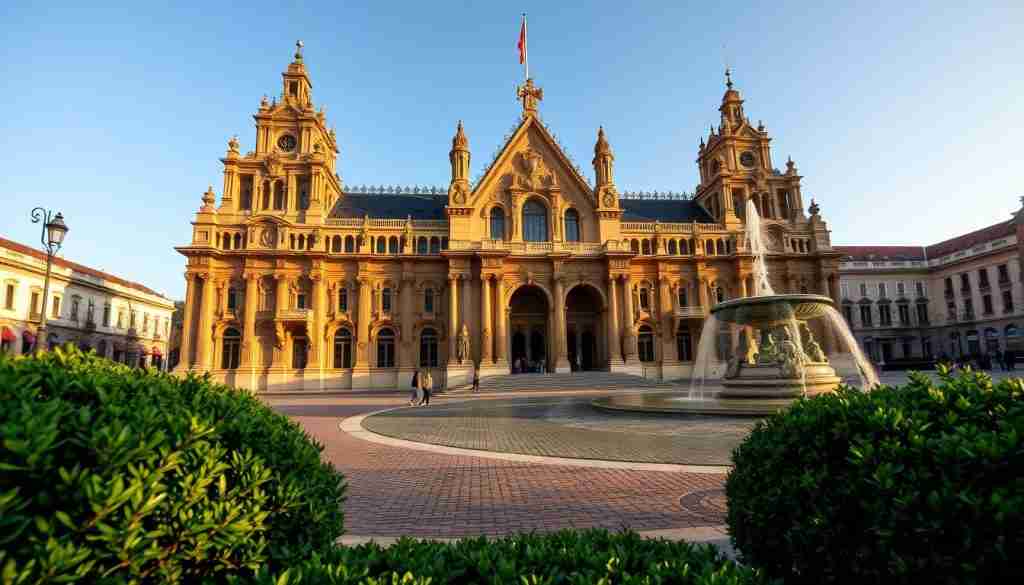
Leonardo da Vinci National Museum of Science and Technology
Europe’s premier science museum brings Renaissance genius to life through 16th-century innovations. Visitors operate scaled replicas of da Vinci’s helicopter designs and hydraulic systems. “These machines prove how imagination fuels progress,” notes a museum curator during live demonstrations.
Galleries span seven thematic areas, from energy production to space exploration. Families test physics principles using Galileo’s pendulum models, while aviation enthusiasts study full-scale aircraft suspended from vaulted ceilings. The Leonardo da Vinci National collection bridges medieval craftsmanship with modern engineering breakthroughs.
Pinacoteca Ambrosiana & Leonardo’s Atlantic Codex
This 17th-century library-museum safeguards Caravaggio’s Basket of Fruit alongside Raphael’s preparatory sketches. Its crown jewel? Twelve volumes containing 1,119 pages of da Vinci’s Atlantic Codex – the largest existing compilation of his technical drawings.
Interactive kiosks decode complex diagrams of flying machines and urban planning concepts. Curators highlight how these 500-year-old ideas influenced skyscraper construction and robotics. The national museum science ethos shines through tactile exhibits letting visitors handle 3D-printed models based on original manuscripts.
| Feature | Science Museum | Pinacoteca |
|---|---|---|
| Star Artifact | Da Vinci’s mechanical lion | Atlantic Codex pages |
| Interactive Element | Working machine replicas | Digital manuscript analysis |
| Visitor Engagement | Hands-on experiments | Augmented reality tours |
Both institutions transform historical study into participatory adventures. The museum science technology approach makes abstract concepts tangible, while art displays showcase how creative vision shapes scientific inquiry.
Stroll Through Enchanting Districts of Milan
Two neighborhoods embody the city’s dual soul – artistic refinement meets vibrant street life. Brera’s winding alleys contrast with Navigli’s liquid arteries, each district offering distinct rhythms and sensory delights.
The Brera District – Bohemian Charm

Cobblestone paths wind past ochre-walled galleries and ivy-draped courtyards. This creative enclave thrives as a living canvas where artisan boutiques neighbor Renaissance masterpieces at Pinacoteca di Brera. Visitors sip espresso at historic cafés like Caffè Fernanda, their marble tables echoing debates from 19th-century artists.
“Brera isn’t just a place – it’s a state of mind,” notes local jewelry designer Giulia Rossi. Her workshop showcases fashion-forward pieces inspired by the district’s blend of eras. Evenings bring the aroma of saffron risotto from family-run trattorias, their checkered tables inviting leisurely meals.
The Navigli District – Canals and Cuisine
Once vital trade routes, Navigli’s waterways now mirror the city’s golden hour glow. Evening brings a hum of conversation from canal-side aperitivo bars, where spritzes clink against plates of salumi. Restaurants like Antica Trattoria della Pesa serve ossobuco recipes unchanged since 1880.
The district’s energy shifts dramatically at dusk. Barges-turned-cocktail lounges float past illuminated bridges, while jazz spills from underground clubs. This melting pot atmosphere attracts designers, students, and expats – a testament to Milan’s evolving identity.
| Feature | Brera | Navigli |
|---|---|---|
| Daytime Vibe | Artistic contemplation | Boutique shopping |
| Evening Pulse | Intimate dinners | Lively socializing |
| Signature Experience | Gallery hopping | Canal cruises |
Savor Milan’s Fusion of Art, Fashion & History
A Renaissance jewel stands where spiritual devotion meets artistic revolution. Santa Maria delle Grazie embodies this fusion, its terracotta walls sheltering one of humanity’s most analyzed artworks.
Where Architecture Meets Genius
This UNESCO World Heritage site showcases Bramante’s revolutionary dome design, a precursor to St. Peter’s Basilica. Sunlight dances across 15th-century frescoes in the cloisters, while the refectory guards Leonardo da Vinci’s The Last Supper. Recent restorations reveal hidden details in the masterpiece’s fading pigments.
Da Vinci’s composition breaks tradition. Figures cluster in emotional groups of three, their gestures creating dynamic diagonals. “The triangular framing of Christ wasn’t just artistic choice – it’s theological geometry,” explains art historian Dr. Elena Marchetti during guided tours.
| Feature | Santa Maria delle Grazie | The Last Supper |
|---|---|---|
| Construction Era | Late 15th century | 1495-1498 |
| Architectural Style | Renaissance/Lombard Gothic | Mural Painting |
| Key Innovation | Bramante’s tribune dome | Chiaroscuro technique |
| Visitor Tip | Book cloister access | 15-min timed entry |
The basilica’s artistic significance extends beyond its walls. Local designers draw inspiration from its proportions, seen in Milanese fashion house collections. Evening illuminations cast shadows that mirror da Vinci’s light play, connecting past and present.
Advanced climate controls now protect the fragile fresco. Morning visits showcase how natural light originally revealed the work’s depth. Limited group sizes ensure intimate viewing of details like overturned salt – a symbol still debated by scholars.
Insider’s Guide: Tips for Experiencing Milan’s Cultural Vibe
To truly embrace the essence of this vibrant destination, travelers should balance iconic landmarks with neighborhood secrets. Smart planning transforms rushed sightseeing into meaningful discovery, blending must-see attractions with authentic local rhythms.
Planning Your Itinerary for the Ideal Day
Start mornings early to beat crowds at major sites like the Duomo terraces. Book timed tickets for priority access to popular museums. Afternoons work best for leisurely market strolls or canal-side lunches.
Mix historic exploration with modern energy. Pair a Renaissance church visit with design district window-shopping. Families love interactive workshops where kids create mosaics or leather goods alongside artisans.
What to Expect: From Historic Sights to Local Flavors
Anticipate awe-inspiring architecture beside trendy espresso bars. The heart of the city pulses through cobblestone lanes where medieval towers cast shadows on concept stores. Evenings bring convivial aperitivo hours – sip negronis while sampling gourmet bites.
First-time visitors often marvel at how centuries-old traditions thrive alongside innovation. From historic tram rides to flagship boutines, every experience reveals layers of craftsmanship. Leave room for spontaneity – hidden courtyards and family-run trattorias reward curious explorers.


