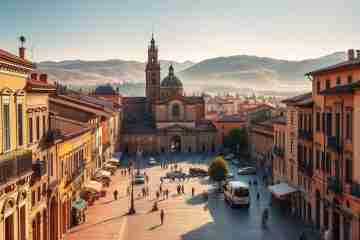
Welcome to a journey through a captivating medieval city where Gothic arches meet Romanesque stonework. Centuries of rich history unfold along quiet cobblestone streets. This place offers an authentic escape for travelers seeking cultural depth away from crowded tourist spots.
Located just a short train ride south of Milan, this destination provides a perfect blend of accessibility and serene atmosphere. The city hums with the energy of one of Europe’s oldest universities, founded in 1361. Here, past and present coexist in a harmonious rhythm.
Visitors can slow down and appreciate the genuine pace of Italian life. Discover hidden gems in narrow side streets and artisan cafés tucked into historic courtyards. This guide will help you explore everything from majestic basilicas to luxury dining experiences.
Every moment spent here reveals new layers of charm. Golden-hour views along the Ticino River capture the essence of northern Italian elegance. It is a place that truly rewards those who take their time to explore.
Key Takeaways
- The destination is an easily accessible, historic city ideal for cultural immersion.
- It offers a relaxed atmosphere perfect for travelers seeking authentic experiences.
- Rich history is visible in its architecture, from ancient Roman roots to medieval splendor.
- The presence of a renowned university creates a vibrant, intellectual energy.
- Visitors are encouraged to explore at a leisurely pace to discover hidden treasures.
- This guide provides comprehensive advice for luxury travel and cultural insights.
Discovering the Rich History and Architectural Marvels
The architectural landscape tells a compelling story of power, faith, and artistic achievement across the centuries. Visitors can trace this narrative through surviving structures that span multiple eras.
Exploring Medieval Towers, Castles, and Courtyards
Once known as the City of 100 Towers, this destination still showcases remarkable medieval towers. The three 12th-century Torri Gentilizie stand proudly near the university district.
The Visconti Castle, built in 1360 by Galeazzo II Visconti, served as both fortress and hunting retreat. Today, its graceful courtyards house the Civic Museums with impressive art collections. The former moat now provides peaceful walking paths around this architectural monument.
Iconic Churches and Basilicas: San Michele and San Pietro in Ciel d’Oro
The Basilica of San Michele Maggiore features a stunning honey-colored façade with intricate carvings. This 12th-century church hosted coronations of Italian sovereigns.
San Pietro in Ciel d’Oro shelters the ornate Arca di Sant’Agostino. This marble tomb contains relics of St. Augustine, the influential Christian theologian. Both churches represent the pinnacle of medieval religious architecture with their golden mosaics and Romanesque curves.
Exploring Pavia Italy Tourism: The City’s Charming Landmarks
Beyond the grand monuments lies the true heartbeat of this destination, found in its lively public spaces and riverside vistas. These landmarks offer authentic glimpses into daily life.
Strolling Through the Historic Center and Piazza della Vittoria
The historic center pulses with energy along Strada Nuova. This main thoroughfare connects the train station to the old town. Elegant shop fronts and medieval towers create a captivating streetscape.
Piazza della Vittoria serves as the social hub where locals gather for evening aperitivo. The 12th-century Broletto town hall stands proudly with graceful arches. Café tables spill across the square, perfect for people-watching.
Wandering side streets reveals artisan workshops and family-owned eateries. Each turn uncovers another layer of this city’s rich history.
Experiencing the Covered Bridge and River Views
The iconic Ponte Coperto spans the Ticino River with distinctive red-brick arches. Though reconstructed after wartime damage, it preserves medieval character.
From the bridge, visitors enjoy panoramic views of colorful riverside homes. The chapel at its center honors Saint John of Nepomuk, protector against floods.
Crossing into Borgo Ticino district, the pace slows. Family-run osterias serve Lombard specialties as the river flows peacefully past flower-draped residences.
Luxury Dining and Local Culinary Experiences
For the discerning traveler, a true taste of Lombardy awaits in the city’s diverse dining scene. The local cuisine is deeply connected to the surrounding fertile plains, creating a farm-to-table experience that is both authentic and sophisticated.
This is the perfect place to savor a long, leisurely lunch that showcases regional traditions. From historic trattorie to modern bistros, each restaurant offers a unique window into the area’s culinary soul.
Top Restaurants and Trattorie for Authentic Lombard Cuisine
Antica Osteria del Previ serves classic dishes like risotto alla pavese in a historic setting. For a cozy, family-run experience, Trattoria Da Carlo is known for generous portions.
Osteria della Malora offers a rustic menu ideal for meat lovers. Ittico provides a stylish alternative with Mediterranean-inspired seafood. Peo Bistrot mixes local ingredients with innovative techniques.
Just outside the city center, Antica Trattoria Ferrari is worth the trip for its exquisite ravioli di brasato.
| Restaurant Style | Ambiance | Signature Dish Example |
|---|---|---|
| Historic Trattoria | Rustic, traditional | Risotto alla Pavese |
| Family-Run Osteria | Cozy, welcoming | Hearty meat stews |
| Modern Bistrot | Contemporary, chic | Innovative pasta dishes |
Sampling Regional Wines and Local Delicacies
The culinary identity is shaped by its geography. Vast rice paddies in the Pianura Padana supply the Arborio rice essential for creamy risotto.
The nearby Oltrepò Pavese hills produce excellent wines. Robust reds like Bonarda pair perfectly with rich sauces.
Venues like Antica Mescita offer thick pasta dishes alongside curated local wines. This creates a complete expression of the local terroir for a memorable lunch or dinner.
Cultural Experiences and Insider Tips
Where ancient stone walls echo with the vibrant conversations of modern scholars, a distinctive cultural atmosphere emerges. This destination thrives on the beautiful contrast between medieval architecture and contemporary academic life.
The city’s cultural heartbeat pulses strongest around its historic university. Visitors can feel this energy in every corner.
University Life, Art, and Vibrant Street Scenes
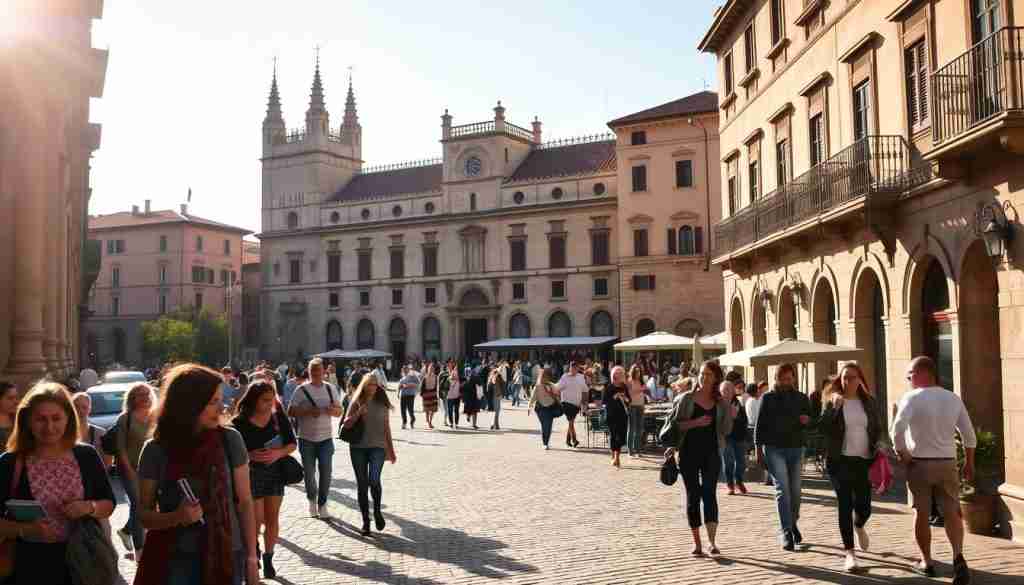
The prestigious university, founded in 1361, shapes daily life with over 21,000 students. They animate piazzas and historic buildings throughout the city.
The magnificent Aula Magna features soaring ceilings and chandeliers. Generations of scholars have smoothed its wooden desks.
In Piazza Leonardo da Vinci, three medieval towers rise dramatically. They stand beside university buildings near ancient church ruins.
Hidden Gems: Small Cafés, Artisan Shops, and Local Events
Beyond main monuments, authentic local experiences await. Student gathering spots like Black Bull Pub offer craft beers.
Il Broletto’s outdoor tables are perfect for evening aperitivo. Visitors can observe the social rituals of Italian university life.
Family-run cafés serve morning espresso to professors and students alike. Artisan workshops continue centuries-old craft traditions.
Wandering side streets reveals “Wall Madonnas” and colorful doorways. These hidden corners showcase the authentic rhythm of local life.
Take time to explore university courtyards humming with student chatter. The blend of historic art and youthful energy creates unforgettable cultural moments.
Day Trips and Surrounding Attractions
Just beyond the city limits await remarkable destinations that showcase the region’s diverse treasures. These excursions provide perfect complements to any urban exploration.
Each location offers distinct experiences within easy reach. Travelers can choose between architectural wonders and pastoral landscapes.
Visiting the Certosa di Pavia and Nearby Historical Sites
The magnificent Certosa di Pavia stands just five miles from the center. This Carthusian monastery complex represents a stunning blend of Gothic and Renaissance styles.
Commissioned in 1396, the façade features intricate marble carvings by Giovanni Antonio Amadeo. The interior dazzles with gold mosaics and frescoes.
Visitors should allocate sufficient time to absorb the artistic details. Photography restrictions encourage direct observation of this masterpiece.
The historic Naviglio Pavese canal flows nearby through picturesque rice fields. This creates a serene approach to the monastery.
Quick Escapes to Milan, Vigevano, and Lombardy Countryside
Vigevano presents a Renaissance jewel forty minutes northwest. The spectacular Piazza Ducale ranks among Italy’s finest squares.
This breathtaking town square was harmonized by Leonardo Vinci and Donato Bramante. The Castello Sforzesco connects via covered walkways.
The Lomellina region offers pastoral tranquility forty-five minutes away. Scenic bike routes pass through quiet villages and Romanesque churches.
Milan provides urban contrast less than forty-five minutes by train. World-class art and innovative wine experiences await in the Navigli district.
| Destination | Travel Time | Primary Experience | Key Feature |
|---|---|---|---|
| Certosa di Pavia | 15 minutes | Architectural Marvel | Renaissance Monastery |
| Vigevano | 40 minutes | Historic Town Square | Piazza Ducale |
| Lomellina Countryside | 45 minutes | Pastoral Landscapes | Rice Paddies & Villages |
| Milan | 45 minutes | Urban Culture | Art & Wine Tasting |
Each trip offers unique perspectives on Lombardy’s rich heritage. Planning adequate time ensures full appreciation of these remarkable sites.
The variety of experiences makes every excursion worthwhile. Travelers can easily customize their ideal day trip itinerary.
Navigating Pavia: Transportation and Travel Advice
The logistical aspects of visiting this cultural treasure are surprisingly simple, with well-connected transit systems ensuring stress-free arrival. Regional train services provide the most efficient connection from Milan, making the journey both practical and scenic.

Train and Bus Tips for a Smooth Journey from Milan
Frequent regional trains depart from Milano Centrale throughout the day, completing the 35-kilometer journey in approximately 30-40 minutes. The scenic route passes through Lombardy’s picturesque countryside, offering glimpses of rice paddies and rural landscapes.
The charming 19th-century train station in Pavia sits just fifteen minutes on foot from the historic center. Visitors follow Corso Camillo Benso Cavour directly to the heart of the city. This convenient station location eliminates the need for additional transportation upon arrival.
Compared to driving or bus travel, the train offers superior efficiency and comfort. Travelers avoid parking concerns while enjoying relaxed views of the passing scenery. Multiple departure times throughout the day provide flexibility for planning.
For most visitors, one full day suffices to explore major attractions at a leisurely pace. Those planning extended excursions should consider a two-day trip. Spring and autumn offer ideal weather conditions for comfortable exploration.
During severe weather, particularly flooding, train cancellations can occur. Travelers should monitor conditions and maintain schedule flexibility. This ensures any disruptions don’t compromise the overall travel experience.
Capturing the Essence of Pavia Through Photography
For photography enthusiasts, this destination offers extraordinary visual rewards through its medieval architecture. The city’s predominantly brick construction creates warm, earthy tones that photograph beautifully throughout the day.
Golden Hour and Iconic Photo Spots
Late afternoon light transforms red brick surfaces into glowing amber. This golden hour creates the most atmospheric images along the Ticino River.
The Ponte Coperto becomes particularly magical at sunset. Red-brick arches frame views of colorfully painted houses across the water.
Photographers should plan their time carefully to capture these fleeting moments. The contrast between ancient surfaces and modern light creates stunning compositions.
A Photographer’s Journey: Streets, Towers, and Architectural Details
The medieval towers create dramatic vertical lines against the skyline. Shoot the Torri Gentilizie from Piazza Leonardo da Vinci for best results.
Santa Maria del Carmine offers striking geometric compositions with its Gothic arches. The massive rose window creates bold frames for interior shots.
Inside the Basilica di San Michele, soft stone carvings reward careful exposure management. The repeated designs on capitals provide beautiful detail shots.
This day of photography reveals the city’s authentic character through its architectural details.
Conclusion
Some destinations demand attention with grand gestures, while others earn affection through quiet authenticity. This remarkable city belongs to the latter category, offering travelers a genuine slice of Italian life.
The place makes an ideal day trip from Milan, yet rewards those who stay longer. Visitors can explore centuries of history while enjoying the vibrant energy of university life.
Unlike crowded tourist centers, Pavia feels genuinely lived-in. Students, families, and longtime residents create an authentic atmosphere. The city reveals its charms to those who take their times to wander and observe.
This balanced destination offers the perfect blend of accessibility and discovery. It’s a place that stays with you, inviting return visits to uncover more layers of its rich character.