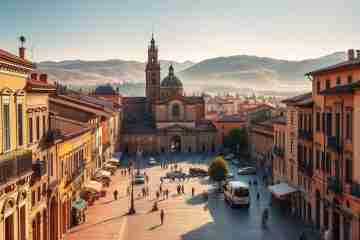
Just a short 45-minute train ride south of Milan lies the captivating city of Pavia. This gem in northern Italy offers a perfect escape for travelers seeking an authentic experience away from bustling tourist hubs. The town presents a unique blend of deep historical roots and serene, present-day charm.
Pavia’s rich history is palpable as you walk its cobblestoned streets. Once the medieval capital of Lombardy, it earned the nickname “city of 100 towers.” Its well-preserved old town invites visitors to step back in time and explore a layered past that spans from Roman times to the Renaissance.
This guide uncovers the must-see places that define a visit to this remarkable destination. Whether you have a short amount of time or plan a longer stay, you’ll discover why it captivates those who venture here. The experience offers a wonderful way to immerse yourself in Italian culture without the crowds of tourists found in larger cities.
Key Takeaways
- Pavia is an easily accessible day trip from Milan, located just 45 minutes away by train.
- The town boasts a profound historical heritage as the former medieval capital of Lombardy.
- Visitors can explore a well-preserved old town known for its medieval towers and cobblestone streets.
- It offers an authentic Italian atmosphere with significantly fewer crowds than major tourist destinations.
- The experience combines architectural marvels, religious sites, and picturesque riverside settings.
- Pavia provides a peaceful, immersive cultural journey into local life and traditions.
Understanding the Charm of Pavia
The ancient streets of Pavia whisper tales of its prestigious past as the former capital of Lombardy. This city’s unique character stems from a rich history that dates back centuries, creating an atmosphere unlike any other Italian destination.
Historical Background and Medieval Roots
Pavia served as the medieval capital, earning the nickname “city of 100 towers.” Wealthy families built these impressive structures to showcase their power. While fewer towers remain today, they define the city’s skyline.
The University of Pavia, founded in 1361, stands as one of the oldest universities worldwide. Its continuous operation for over six centuries has shaped the town’s intellectual heart.
| Tower Name | Height | Historical Significance | Current Status |
|---|---|---|---|
| Torre Civica | 55 meters | Main civic tower | Well preserved |
| Torre del Broletto | 48 meters | Medieval meeting place | Restored |
| Torre Viscontea | 52 meters | Visconti family symbol | Partially intact |
Local Culture and Atmosphere
The old town maintains an authentic feel with locals going about daily life. Unlike tourist-heavy cities, Pavia offers genuine Italian experiences. Centuries-old buildings house modern cafes and shops.
This creates a living museum where history blends seamlessly with contemporary life. The pace remains pleasantly slow, allowing visitors to immerse themselves in local culture.
Exploring the Historic City Center
Stepping into Pavia’s city center feels like entering a different era, where ancient towers stand guard over modern daily life. This area serves as the vibrant heart of the town, inviting visitors to explore its layered history.
Cobbled Streets, Towers, and Courtyards
The historic center features narrow cobbled streets winding between elegant piazzas. Centuries-old buildings create a charming maze perfect for wandering. Medieval architecture rises unexpectedly between houses and churches.
Hidden courtyards tucked behind unassuming doorways offer tranquil spaces. Here, time seems suspended as locals gather in these intimate settings. Exploring beyond main thoroughfares reveals the authentic scale of Italian urban life.
| Street Name | Character | Highlights | Best For |
|---|---|---|---|
| Corso Garibaldi | Boutique shopping | Italian artisan places | Retail therapy |
| Vicolo Tre Re | Quiet alleyway | Authentic local atmosphere | Peaceful wandering |
| Strada Nuova | Main thoroughfare | Historic architecture | People watching |
Hidden Gems and Local Favorites
Vicolo Tre Re connects to Strada Nuova as a narrow old street with genuine character. This less-traveled pathway shows where locals go about daily routines. The Minerva Statue near the train station represents wisdom at a busy intersection.
Getting slightly lost in the old town often leads to memorable discoveries. Our travelers find family-run cafés and sun-drenched piazzas perfect for absorbing the authentic rhythm of life in this medieval town.
Discovering top attractions in Pavia
Two landmarks define the skyline and spirit of this historic destination. They offer a perfect blend of natural beauty and architectural grandeur.
Ponte Coperto and the Ticino River Views
The iconic Ponte Coperto, or Covered Bridge, is a symbol of the city. This stunning covered bridge gracefully spans the Ticino River. It offers breathtaking views of the water and the city skyline.
The structure visible today is a faithful 1950s reconstruction. It replaces the original medieval bridge destroyed in World War II. This spot is especially magical at sunset.
Walking across this bridge provides a unique perspective. You can see the river flow gently towards the countryside. It is a popular place for photographs and peaceful moments.
| Feature | Ponte Coperto | Ticino River |
|---|---|---|
| Type | Covered Bridge | Flowing River |
| Best Time | Sunset | Daylight |
| Experience | Romantic Walks | Scenic Views |
Duomo di Pavia and Iconic Landmarks
In the heart of the historic center stands the Duomo di Pavia. This massive cathedral dominates the main square with its grand dome. Its Renaissance architecture is a sight to behold.
Entry to the cathedral is free for visitors. Inside, the atmosphere is spacious and serene. The simple decoration creates a peaceful contrast to the bustling town outside.
A fascinating tradition adds to its significance. The Duomo is said to house a reliquary containing a thorn from Christ’s crown. This adds a deep layer of spiritual history to your visit.
Together, the Ponte Coperto and the Duomo offer a perfect introduction. They capture the essential character of this remarkable place in a single time.
Cultural Gems and Iconic Churches
Beyond the bustling squares, Pavia’s spiritual heritage unfolds through magnificent churches. These sacred spaces reveal centuries of devotion and artistic achievement.

San Michele Maggiore and Religious Heritage
San Michele Maggiore stands as one of the oldest churches in the city. This 11th-century masterpiece showcases remarkable Romanesque architecture.
The interior feels quiet and atmospheric, darker than the cathedral. Medieval kings received their crowns in this historic place. Entry is free with generous opening hours throughout the week.
| Church/Monastery | Century Built | Key Features | Visitor Access |
|---|---|---|---|
| San Michele Maggiore | 11th century | Romanesque architecture, royal coronation site | Free entry, daily hours |
| San Pietro in Ciel d’Oro | 8th century | St. Augustine’s burial place | Open to public |
| Certosa di Pavia | 14th century | Renaissance monastery, ornate façade | Free tickets, closed Mondays |
| Santa Maria di Canepanova | 15th century | Unique frescoes and paintings | Regular visiting hours |
Other Notable Churches and Monasteries
Certosa di Pavia lies just north of the city center. This monumental monastery dates back to 1396. Its breathtaking marble façade and quiet cloisters create a peaceful retreat.
Other significant sites include San Pietro in Ciel d’Oro. This church dates back to the eighth century. Santa Maria di Canepanova features unique frescoes among its artistic treasures.
These religious sites offer profound glimpses into the city’s spiritual history. They rank among the most rewarding things to explore beyond the main attractions.
Architectural Marvels and Historic Landmarks
Beyond the religious sites, Pavia reveals another dimension of its history through impressive civic architecture and learning centers. These secular structures showcase the city’s intellectual legacy and aristocratic heritage.
Palazzo Malaspina and University Highlights
The University of Pavia, founded in 1361, stands as one oldest universities in continuous operation worldwide. Its campus buildings spread throughout the town, featuring baroque and neoclassical architecture.
Visitors discover tranquil courtyards and the University History Museum. The campus creates an inspiring environment where centuries of learning continue.
Palazzo Malaspina represents aristocratic elegance from the 18th century. This noble residence now serves as university library space and exhibition venue.
Access to the palace is limited to special events. During these occasions, guests admire grand staircases and baroque ceilings filled with historical charm.
The imposing Visconti castle dominates the historic area. This 14th-century fortress now houses the Civic Museums, showcasing remarkable works art and archaeological finds.
Architecture should speak of its time and place, but yearn for timelessness.
| Landmark | Architectural Style | Visitor Access | Key Feature |
|---|---|---|---|
| University of Pavia | Baroque & Neoclassical | Open courtyards, museum | Historic learning environment |
| Palazzo Malaspina | 18th-century aristocratic | Special events only | Grand baroque interiors |
| Visconti Castle | 14th-century Gothic | Museum: €10 ticket | Civic Museums collection |
The castle courtyard offers atmospheric exploration even without museum entry. This historic place connects visitors to Pavia’s medieval power struggles through its enduring architecture.
Riverside Escapes along the Ticino
Pavia’s relationship with water defines one of its most rewarding experiences—the riverside escape along the Ticino. This natural corridor offers a perfect balance to the cultural intensity of church visits and architectural exploration.
Scenic Walks on Ponte Coperto
Walking across the historic bridge transforms from tourist activity to meditative experience. The covered passageway frames ever-changing views of the flowing river below.
On one side, the medieval city rises with its towers and rooftops. The other opens toward peaceful countryside. This creates a magical transition between urban and natural landscapes.
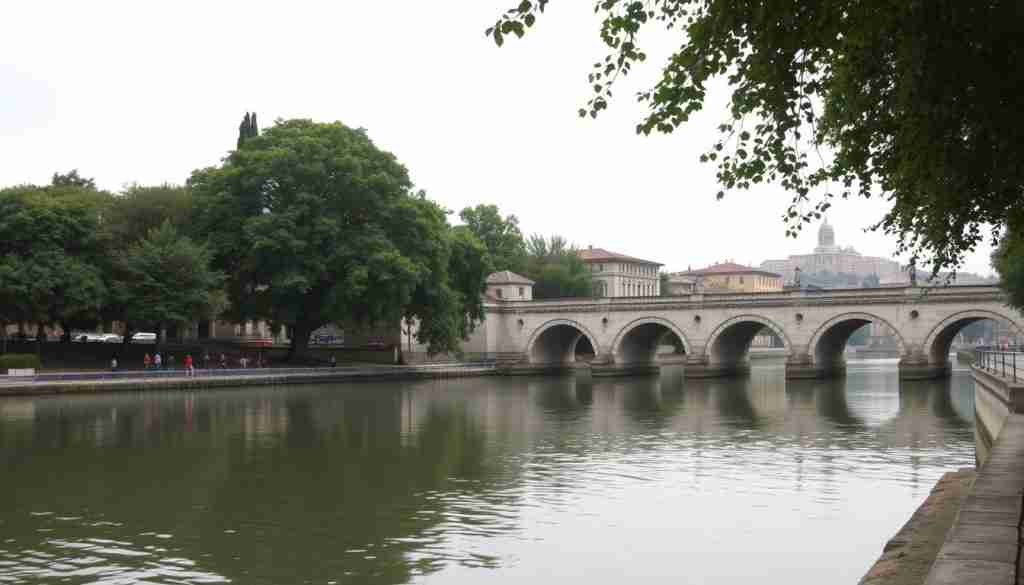
The riverside area includes charming parks perfect for relaxation. Area Vul is a favorite local place with picnic spots beneath lovely trees.
Visitors enjoy sweeping views of central Pavia from this peaceful park. The Duomo dome stands prominent against the skyline. Grassy areas invite travelers to spread blankets for authentic Italian outdoor meals.
Extending walks along the Ticino River leads to quieter, pastoral scenery. The atmosphere becomes progressively more serene. This way reveals the beautiful relationship between the historic old town and its life-giving waterway.
Unforgettable Day Trips and Local Tours
For travelers seeking to expand their Italian adventure, the area surrounding Pavia offers unforgettable day trips and immersive local tours. These experiences showcase the broader region’s remarkable cultural and natural beauty.
A journey to the Certosa di Pavia is essential. This monumental monastery, located just 8 km north, is one of the most impressive religious sites in northern Italy. Reachable by a short train or bus ride, a visit rewards travelers with breathtaking Renaissance architecture and serene cloisters.
Exploring the area can also mean savoring local flavors. Guided street food tours, priced around $100, offer a delicious way to discover the town. Participants taste sweet and savory bites while learning about culinary traditions.
For those with more time, the Oltrepò Pavese region beckons. Often called the “Tuscany of northern Italy,” its rolling hills are covered with vineyards. This landscape offers wonderful things to see and do for wine enthusiasts.
| Destination | Experience | Travel Time from Pavia |
|---|---|---|
| Certosa di Pavia | Architectural & Spiritual | ~30 minutes |
| Oltrepò Pavese | Scenic & Culinary | Varies by car |
Renting a car provides flexibility to visit multiple places. However, drivers should note that Pavia’s historic center is a restricted traffic zone. Parking is available on the edges of town, ensuring a smooth start to your explorations.
Savoring the Local Cuisine and Street Food
Beyond the architectural wonders, Pavia’s heart beats strongest in its cafes, food courts, and gelaterias. Tasting your way through the city is one of the most rewarding things to do, offering a genuine connection to local life.
Traditional Arancini and Local Delicacies
Food courts along the main street serve a highlight for visitors: authentic arancini. These Sicilian rice balls are crispy outside and flavorful inside. The cacio e pepe variety, costing just €3, is a particular delight.
The cherished Italian aperitivo culture thrives here. Ordering a drink includes complimentary snacks for just €1. L’Altro Cupolone Fusion Bistrot, with its charming fairy lights, provides a perfect place for this ritual away from student crowds.
For dessert, join the locals at Gelateria de Cesare on Corso Garibaldi. Their exceptional gelato makes carrying cash a worthwhile preparation.
| Restaurant | Cuisine | Location |
|---|---|---|
| Pomodoro e Basilico | Pizza | City Center |
| Miscusi | Specialty Pasta | Piazza Duomo |
| Ristorante Perla d’Oro | Sushi | Central Area |
Budget-conscious travelers love the Too Good To Go app. It offers surprise packages from bakeries like Vela Dolci Tentazioni for around €4. This is a fantastic way to enjoy pastries and support sustainability.
The local mercato is the ideal place to gather picnic ingredients. Enjoy your finds in a peaceful riverside park for an authentic taste of time in this lovely town.
Relaxing in Pavia’s Parks and Hidden Corners
The vibrant energy of the historic center finds its perfect counterpoint in the city’s tranquil green spaces. These areas offer a gentle, contemplative character essential for a balanced visit to this part of northern Italy.
The University’s botanical garden, established in 1773, is a highlight. It functions as both a scientific institution and a beautiful public place. Visitors wander among historic greenhouses and medicinal plant collections.
A remarkable Ginkgo tree, planted in 1778, stands as one of the oldest in Europe. It provides a living connection to the garden’s Enlightenment-era origins.
| Feature | Details (May-June) | Visitor Info |
|---|---|---|
| Opening Hours | Tue-Thu: 10:00-13:30 Fri: 10:00-17:30 Sat-Sun: 10:00-18:00 | Closed Mondays |
| Admission | Full access | Ticket price: €6 |
For casual relaxation, the riverside park along the Ticino offers grassy areas with lovely city views. Area Vul is a favorite local spot for picnics under shady trees.
Hidden courtyards throughout the center provide unexpected tranquility. For evening entertainment, seek out Cinema Politeama. This small theater, tucked away in a courtyard, shows films in their original language.
These spaces create a peaceful atmosphere. They offer a delightful contrast to the more formal cultural offerings like paintings and other works art.
Navigating Pavia: Getting Around and Where to Stay
Practical planning transforms a visit to this historic destination into a seamless cultural journey. Understanding local transit and accommodation ensures your time is both comfortable and enriching.
Transportation Tips and Local Transit
Reaching this Lombard gem is straightforward. Regional trains depart Milan’s Porta Venezia station every half hour. The 45-minute journey costs just €4 per person.
Upon arrival at Pavia’s train station, the Minerva Statue guides your walk into the city center. Walking is the best way to explore the compact old town.
For longer distances, use the local bus system. Download the Autoguidovie app to purchase tickets. Always activate them before boarding as they last one hour.
Drivers should note the city center is a restricted traffic zone. Park your car on the edges of town or obtain permits in advance.
Accommodations from Budget to Luxury
Our carefully selected hotels and apartments ensure comfortable stays. All recommended places maintain ratings of at least 8/10.
| Category | Accommodation Name | Key Feature | Location |
|---|---|---|---|
| Budget | Appartamento Pavia | Kitchen facilities | Central area |
| Mid-Range | Golgi Suite | Spacious rooms | Near university |
| Luxury | Arnaboldi Palace | Frescoed ceilings | Historic building |
Luxury seekers will appreciate Il 64B’s stylish apartment in the old town. Grey House Pavia offers minimalist elegance for design-focused travelers.
These well-located hotels provide perfect bases for exploring northern Italy. They complement the authentic experience of this remarkable university town.
Conclusion
As our exploration concludes, Pavia reveals itself as a destination that rewards travelers seeking genuine Italian experiences. This city in northern italy offers a perfect blend of rich history and stunning architecture without the tourist crowds found in larger destinations.
Visitors should embrace the full spectrum of experiences this remarkable town provides. Beyond visiting the main attractions, savor local cuisine, relax in riverside parks, and wander hidden courtyards. These things often become the most cherished travel memories.
The compact old town makes exploration easy on foot. With excellent train connections from Milan, Pavia serves as both an ideal day trip and a destination worthy of longer stays. Start planning your visit today to discover why these places capture the heart of educated travelers.
Our guide shows the best way to experience the top attractions in pavia. This university city invites you to participate in its living history rather than simply observe from a distance.