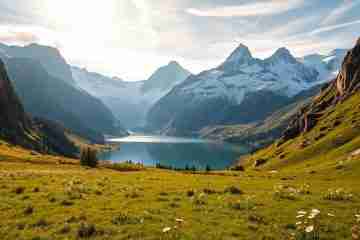
The rugged beauty of Northern Italy’s Orobie Alps offers endless opportunities for discovery. This guide unlocks the region’s hidden gems, from challenging trekking routes to adrenaline-piking aerial ropeways. Whether you’re a seasoned adventurer or a curious traveler, our insights will help you craft unforgettable journeys.
Dramatic peaks and tranquil valleys define this alpine paradise. Trails wind through ancient forests, while historic villages dot the landscape, offering glimpses into local traditions. Seasonal shifts transform the terrain, creating year-round appeal for hikers, cyclists, and culture enthusiasts alike.
Our expert-curated advice addresses everything from gear selection to trail etiquette. Learn how to navigate lesser-known paths safely or find the ideal time to visit iconic viewpoints. We’ve also included tips for blending physical challenges with cultural immersion, like pairing a morning hike with an afternoon exploring medieval chapels.
This guide balances practical logistics with storytelling, ensuring your experience resonates long after you return home. Expect detailed maps, elevation profiles, and recommendations for cozy refuges where you can recharge after a day on the trails.
Key Takeaways
- Discover diverse terrain, from steep mountain passes to peaceful valley trails
- Access insider strategies for maximizing safety and enjoyment
- Combine physical adventures with cultural explorations
- Plan efficiently using seasonal activity recommendations
- Learn about eco-friendly practices to protect the alpine environment
Overview of the Orobie Alps Region
Stretching across Lombardy, the Orobie Alps span over 70,000 hectares of protected wilderness. This rugged terrain blends jagged peaks with serene valleys, where centuries-old traditions meet untouched ecosystems.
Geographical and Biodiversity Highlights
The mountains host over 30 alpine lakes and Europe’s tallest waterfall—the thunderous Serio Falls. Dense spruce forests give way to summer pastures, while golden eagles patrol skies above wild ibex herds. The valley floors bloom with rare orchids, earning parts of Orobie Park UNESCO recognition.
Historical and Cultural Insights
Ancient trails carved by Celtic tribes now connect stone-built villages like Valtorta. Bergamo, the nearest city, showcases medieval architecture influenced by Venetian traders. Local festivals still celebrate pre-Christian harvest rituals, and sites like Pizzo Arera’s “Verdant Cathedral” reveal sacred rock formations used in ancestral ceremonies.
This region’s nature reserves safeguard habitats while preserving human stories etched into every hillside chapel and shepherd’s hut. From Bronze Age artifacts to Renaissance frescoes, the landscape serves as both museum and playground.
Mastering Outdoor Activities in Orobie Alps
Navigating alpine terrain demands thoughtful preparation and respect for nature’s unpredictability. Our experts recommend starting with three fundamentals: route research, gear optimization, and contingency planning for changing conditions.
Essential Preparations and What to Expect
Physical conditioning separates enjoyable adventures from exhausting slogs. Build stamina through stair-climbing exercises and weighted pack walks at least six weeks before departure. Local park offices provide updated trail reports – a crucial resource when selecting routes matching your fitness level.
Pack smart by balancing essentials against weight constraints. Waterproof layers and broken-in hiking boots prove invaluable when confronting sudden weather shifts. For multi-day trekking itineraries, test sleeping bags and stoves during backyard trial runs.
Safety and Best Practices on the Trails
Morning starts prevent afternoon storms common in higher elevations. Carry laminated maps alongside GPS devices – technology fails where rock formations block signals. “Turning back often proves wiser than pushing beyond safe limits,” advises veteran guide Marco Bernardi.
Cyclists should inspect bike brakes and tire pressure daily, particularly when tackling steep descents. Share your planned timeline with refuge staff, allowing quicker response if delays occur. The park’s visitor centers offer real-time information on trail closures and wildlife activity patterns.
Planning Your Route and Adventure Stages
Crafting an alpine itinerary requires balancing ambition with realistic pacing. Successful journeys blend meticulous route design with flexibility, allowing travelers to savor vistas without racing against daylight.
Mapping Your Journey and Time Management
Begin by studying elevation profiles of iconic trails like the Gran Via delle Orobie. This 70km traverse splits into seven manageable stages, each concluding at welcoming refuges. Western sections feature gentler ascents through larch forests, while eastern paths challenge hikers with rocky scrambles.
Allocate extra time for photo stops and weather changes—experienced trekkers add 20% buffer to estimated hiking days. Digital tools like Komoot provide downloadable map overlays, but always carry a physical topographic version. Trail markers painted on boulders often prove more reliable than GPS in foggy conditions.
When unexpected delays occur, refuges like Rifugio Coca offer last-minute bookings. “Split long descents into shorter segments,” suggests guide Elena Moretti. “Your knees will thank you later.” This phased approach turns daunting distances into achievable daily victories, letting the mountains reveal their secrets at a rewarding pace.
Hiking and Trekking Tips for a Successful Trip
Choosing the right path transforms a good trek into an unforgettable journey. Whether tackling rugged peaks or meandering valley paths, understanding trail dynamics ensures both safety and satisfaction. Below, our experts share strategies for navigating the region’s diverse terrain.

Best Trails and Route Selection
Begin by matching routes to your fitness level and trip goals. The 160 km Orobie Ring challenges experienced hikers with steep ascents and multi-day itineraries, while the Sentiero dei Fiori offers shorter scenic loops ideal for casual explorers. Key factors include elevation gain, trail surfaces, and seasonal accessibility.
| Trail | Difficulty | Distance | Key Features |
|---|---|---|---|
| Gran Via delle Orobie | Moderate | 70 km | Refuge stops, alpine meadows |
| Sentiero dei Fiori | Easy | 12 km | Wildflower displays, panoramic views |
| Orobie Ring | Strenuous | 160 km | Glacial lakes, high-altitude passes |
Adapting to Different Trail Difficulties
Adjust pacing and gear based on route demands. Rocky sections like those near Pizzo Coca require sturdy boots and trekking poles, while valley trails suit lightweight shoes. Check weather forecasts hourly—sudden fog can obscure markers on exposed ridges.
Physical conditioning proves critical. Train with weighted packs on inclined treadmills to simulate mountain terrain. Guides like Silvia Marchetti recommend splitting long hikes into segments: “Climb early, rest at noon heat, descend before dusk.” Local outfitters provide route updates and group trekking options for added safety.
Exploring Mountain Biking and Scenic Rides
Two-wheeled adventures reveal the Orobie region’s dramatic landscapes through fresh perspectives. Cyclists navigate paths blending technical challenges with moments of awe, where every pedal stroke unveils new vistas. Local routes cater to varied skill levels, from adrenaline-fueled descents to family-friendly valley circuits.
Highlights of Bike-Friendly Paths
The historic Decauville delle Orobie stands out among mountain trails. This repurposed railway route offers 15 km of gentle gradients, passing waterfalls and abandoned mining tunnels. Advanced riders tackle ancient mule tracks near Lake Iseo, where rocky switchbacks reward climbers with panoramic ridge views.
Family groups favor the Val Seriana circuit. Smooth gravel paths wind through wildflower meadows, linking villages like Ardesio. Refuges along these trails provide bike repair stations and water refill points. Local guides recommend afternoon rides when sunlight illuminates the lake’s turquoise waters.
Local Stops for Refreshments and Views
Strategic pit stops enhance every ride. Rifugio Curò near Pizzo Coca serves hearty polenta dishes, while lakeside kiosks near Lago Moro offer fresh lemon granita. The Belvedere di Zorzone viewpoint makes an ideal photo stop, framing the valley’s layered peaks.
Safety remains paramount on steep mountain routes. “Check brake pads before descending,” advises cycling instructor Luca Ferrara. Many refuges stock spare tubes and basic tools, though carrying a repair kit proves essential. Evening rides demand lights – twilight transforms trails into magical corridors beneath star-filled skies.
Embracing Local Culture and Mountain Refuges
Historic stone refuges and age-old cheesemaking traditions form the cultural backbone of Northern Italy’s alpine communities. These elements transform physical journeys into rich sensory experiences, connecting travelers with centuries of mountain heritage.
Authentic Alpine Cuisine and Accommodations
Mountain refuges like Rifugio Capanna 2000 blend rustic charm with modern comforts. Many occupy restored 18th-century buildings, offering wood-paneled rooms and communal dining tables where stories flow as freely as local Valcalepio wine.
Meals showcase Lombardy’s dairy legacy. Creamy Formai de Mut, aged in high-altitude caves, pairs perfectly with chestnut honey. In Bergamo’s walled city, trattorias serve casoncelli pasta stuffed with raisins and amaretti – a sweet-savory nod to medieval trade routes.
The delle Orobie Ecomuseum preserves these traditions through interactive exhibits. Visitors learn cheesemaking techniques from fifth-generation artisans or trace wool-dyeing methods used in Val Gandino’s textile towns. “Our mountains taste of history,” explains curator Giulia Moretti. “Every bite tells a story.”
For immersive stays, Rifugio Alpe Corte combines accommodation with cultural workshops. Guests milk goats at dawn or join guided herb walks identifying plants used in traditional remedies. Evening brings fireside folk tales beneath the delle Orobie stars.
These experiences create meaningful connections beyond trail conquests. Whether savoring Taleggio cheese in a sunlit refuge or exploring a shepherd’s chapel, cultural discoveries deepen every mountain adventure.
Seasonal Considerations and Weather Preparedness
Dynamic weather patterns shape every mountain journey, demanding adaptable strategies. The region’s microclimates shift rapidly, with temperature swings exceeding 20°F within a single day. Summer hikers face afternoon thunderstorms, while winter explorers navigate shorter daylight hours and avalanche risks.
What to Pack for Varying Conditions
Seasonal gear choices directly impact comfort and safety. Higher elevation zones require windproof layers year-round, even during July heatwaves. Local guides recommend these essentials:
| Season | Essentials | Notes |
|---|---|---|
| Summer | Moisture-wicking base layers UV-blocking sunglasses Collapsible trekking poles | Lightweight rain shell mandatory |
| Winter | Insulated gloves Ice cleats Thermal sleeping bag (-20°F rating) | Check avalanche forecasts daily |
Budget-conscious travelers balance price and quality. Waterproof boots with Vibram soles often last 5+ years, justifying higher initial costs. Pack merino wool socks – they regulate temperature during dawn frosts and midday heat.
Morning starts maximize daylight, especially crucial in October when trails darken by 6 PM. Satellite weather apps help adjust routes when unexpected fronts approach. “Study decade-old storm patterns,” advises meteorologist Clara Rossi. “Recent unstable springs demand extra caution near meltwater streams.”
Smart layering proves essential. Start with breathable fabrics, adding insulated vests for ridge crossings. Evening descents often require headlamps – carry spare batteries. These preparations let adventurers safely savor the mountains’ ever-changing moods.
Essential Gear and Safety Tips for Outdoor Adventures
Proper preparation transforms mountain excursions from challenging to rewarding. Seasoned guides emphasize that quality equipment and smart planning unlock safer, more enjoyable experiences across diverse terrains.

Must-Have Equipment for the Mountains
High-altitude adventures demand specialized gear. Start with a durable backpack carrying these essentials:
- Topographic maps and a backup GPS device
- Lightweight crampons for elevations above 2,500 meters
- Multi-layered clothing systems for sudden temperature drops
Technical peaks like Pizzo dei Tre Signori require climbing harnesses and helmets. Opt for boots with Vibram soles to grip rocky paths securely. “Test gear in local parks before your trip,” advises alpinist Rosa Bianchi. “Familiarity prevents mishaps when conditions shift.”
Navigation, Maps, and Local Information
Digital tools complement traditional navigation methods. Download offline maps from Bergamo’s tourism office, but rely on painted trail markers in remote zones. Check weather updates daily – valley forecasts often differ from high-altitude conditions.
Marked paths like Sentiero delle Orobie Orientali offer safer alternatives to unmarked side trails. Visitor centers in nearby cities provide real-time updates on route closures. For multi-day trips, share itineraries with refuge staff to enable swift assistance if needed.
Prioritize lightweight gear without sacrificing durability. Compact emergency shelters and water filters prove invaluable when exploring beyond popular routes. With the right tools and information, adventurers confidently embrace the mountains’ raw beauty while minimizing risks.
Conclusion
Every journey through this alpine wonderland begins with careful planning and ends with lasting memories. Whether charting multi-day routes across high passes or enjoying leisurely bike rides along valley floors, the region rewards thoughtful preparation. From mapping scenic trails to timing lake visits for golden-hour reflections, our expert insights help craft seamless adventures.
Diverse experiences await at every turn. Challenging summit climbs balance with cheese tastings in stone-built refuges, while historic towns like Bergamo add cultural depth to physical pursuits. Remember key strategies: check weather hourly, prioritize break-in periods for gear, and always share your trip timeline with local staff.
Let this guide serve as your compass. Embrace crisp morning starts on winding routes, afternoon respites beside glacial waters, and evenings savoring stories with fellow travelers. The mountains offer more than elevation gains – they invite connection with landscapes shaped by glaciers and generations.
Pack your maps, secure those boot laces, and step into a day filled with discovery. Your adventure through rugged peaks and pastoral valleys begins now.